Apple and Google Dominate Tracking Tag Market as Samsung Struggles with Delays
New tests reveal that Apple’s AirTag and Google’s Find network now deliver near-identical real-time tracking accuracy, leaving Samsung’s Smarttag lagging behind with inconsistent updates that risk users losing track of their belongings.
The latest comparison of Bluetooth-enabled tracking tags shows how Apple’s pioneering system, backed by a vast network of iPhones, and Google’s recently optimized Find network now provide continuous, reliable location updates. Unlike Samsung’s Smarttag, which has experienced delays of several hours between position updates, Apple and Google keep users closely informed, an essential feature for consumers depending on these gadgets daily.
Improved Networks Mean More Safety and Convenience for US and Alaska Users
These tracking devices operate by connecting via Bluetooth to nearby smartphones, which then use GPS to relay the tag’s position to their respective networks. Apple’s Find network has long benefited from millions of iPhone users automatically boosting its effectiveness, while Google has recently expanded Android phone participation, swiftly closing the gap in coverage and reliability.
“Google’s Find network started shaky with Motorola’s Moto Tag launches, but improvements this year have made performance excellent,” expert testers said. Given the explosive use of smartphones nationwide, including Alaska’s urban and rural communities, this means consumers can confidently rely on AirTags or Google-compatible tags to track keys, bikes, or other valuables.
In contrast, Samsung’s Smarttag depends solely on a subset of Galaxy phones running Samsung’s Smartthings Find system, severely limiting its network size. One alarming incident involved a Samsung tag lying undetected for hours during a layover in Beijing airport, while Apple and Google tags kept updating regularly.
New Features and Design Innovations Fuel Consumer Choice
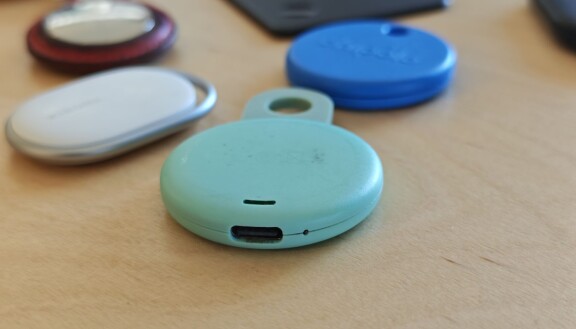
Besides tracking accuracy, some third-party tags like Chipolo Loop and Card are making a splash by offering rechargeable batteries and unique form factors suited for wallets and passports. Unlike Apple and Motorola’s cylindrical tags requiring additional accessories for attachment, Chipolo includes integrated loops for easier use.
Additionally, some tags double as phone finders or as remote triggers for smartphone cameras, enhancing their practical value. However, a slight delay in location refresh has been noticed when using third-party apps versus Apple’s own Find app, which provides instant updates.
Security and Privacy Protections Evolve with Warnings Against Illegal Tracking
With increased adoption, all major brands, including Apple, Google, Samsung, Tile, and Chipolo, have collaborated on safeguards against unwanted tracking. Phones now alert users if unknown tags trail them, delivering practical steps to counteract potential stalking or privacy breaches. Users also have the option to opt out of contributing to the networks, minimizing battery and data usage impacts.
What Consumers Should Know Right Now
For Alaska and US consumers considering tracking tags, Apple and Google’s networks represent the most reliable solutions with near real-time updates. Samsung’s current limitations pose risks in critical situations when timely location updates matter most. Third-party devices like Chipolo offer versatility and additional features, especially for users who want to avoid being locked into one brand ecosystem.
Whether securing keys, bags, or bikes, the growing competition pushes manufacturers to improve both performance and security, a development that benefits all users nationwide. As smart tracking technology becomes increasingly embedded in daily life, staying informed about network capabilities and protections remains crucial.