Trinket Trend Explodes Across the US as Collectors Flood Market
The latest consumer craze sweeping across America is the fast-growing “trinket trend”, driving massive purchases of small toys, squishies, and keychains that are filling homes—and wallets—nationwide. From Alaska to the Lower 48, families and collectors are scrambling to get their hands on popular items like Owala and Stanley water bottles, Labubu figures, Jellycat plushies, and NeeDoh squeeze toys, sparking both joy and mounting clutter.
Experts confirm the trend is fueled primarily by Gen Z, as more than half of this generation remain pessimistic about the economy, according to MaryLeigh Bliss, chief content officer at youth research firm YPulse. Speaking at the National Retail Federation’s State of Retail & the Consumer event in March, Bliss explained that economic uncertainty and high living costs are pushing young shoppers toward affordable, small splurges that deliver quick dopamine hits amid ongoing stress.
“These little pieces of joy aren’t huge purchases, but they provide consistent relief during tough weeks,” Bliss said.
Affordable Dopamine Hits Are Driving Demand
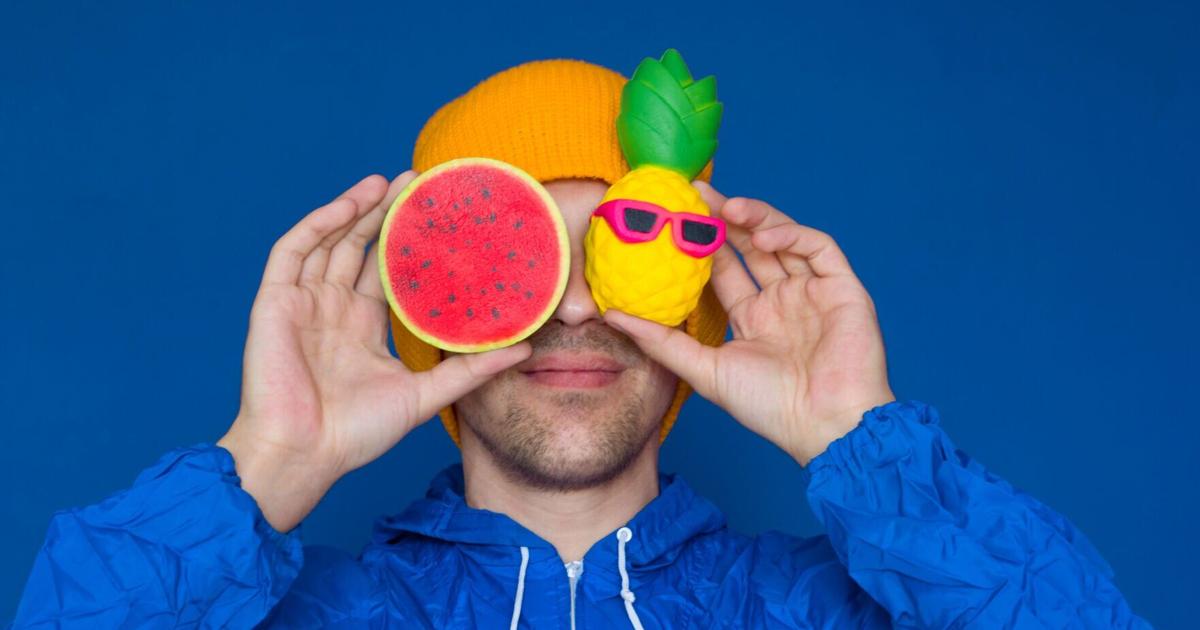
Most trinkets are priced well under $20, making them accessible to a broad audience. Popular items like Funko POP! figures retail around $15, while squishy toys such as NeeDohs cost about $5 each. This accessibility is key to the trend’s momentum, with millions researching “squishies” and “sensory toys” monthly on Google.
But demand is pushing some collectibles, especially rare ones like Labubu monsters and certain NeeDoh toys, to resell for hundreds or even thousands of dollars. This surge reflects a growing collector culture across generations, intensified by social media platforms like TikTok and Instagram that fuel viral hype through unboxings, exclusive drops, and “surprise reveal” videos.
‘Kidulting’ and Mental Health Benefits Add to Popularity
This phenomenon goes beyond nostalgia, drawing in both children and adults. Licensed mental health counselor Kiki Jacobson highlights how trinkets offer comfort and stress relief amid daily pressures.
Kiki Jacobson: “Engaging with these toys helps people soothe anxiety and provides sensory regulation, especially for those with ADHD or autism.”
“Kidulting,” or adults embracing traditionally kid-focused activities and collectibles, has become a common coping strategy. The trend also fosters community through trading events and social bonding moments, such as school children exchanging keychains.
Hidden Downsides: Clutter, Cost, and Stress
Despite the joy, critics caution that the trend triggers issues in many households. The trinkets can quickly accumulate, leading to overflowing toy boxes and cluttered surfaces. Parents recount fights among siblings and constant cleanup, aggravated by fragile toys that often break or get lost.
One parent lamented after a squeeze toy exploded, scattering water beads throughout the car, creating a long, tedious clean-up.
Financially, while single purchases seem minimal, multiple buys over weeks add up and can strain budgets—especially when rare trinkets demand premium prices. Jacobson warns that social media-driven scarcity and emotional hooks can trick buyers into overspending or impulsive purchases.
Experts Recommend Smart Buying amid Trinket Madness
Consumers are urged to approach the trend thoughtfully. Some practical tips include:
- Only buy trinkets you genuinely like, avoiding impulsive viral fads.
- Set strict spending and space limits to avoid financial and physical clutter.
- Never buy beyond your means—skip credit traps and “buy now, pay later” offers.
- Explore affordable alternatives or join local trading groups to reduce costs.
As the trinket trend continues to spread, especially across US households juggling economic stress, it remains a cultural mirror of how Americans are seeking comfort and connection in tiny treasures—even as they weigh the hidden price.
Alaska families and communities are no exception—whether it’s a child’s bedroom or a collector’s shelf, the surge of these small items is a phenomenon demanding attention in 2026’s consumer landscape.
Stay tuned to The Alaska Insider for ongoing reports on trends shaping everyday life across the Last Frontier and beyond.