Historic Tornado Outbreak Threat Looms Over Great Plains and Great Lakes
Meteorologists are raising alarms as the final ten days of May 2026 approach, forecasting a potentially historic surge in severe weather and tornado activity stretching from the Great Plains into the Great Lakes region.
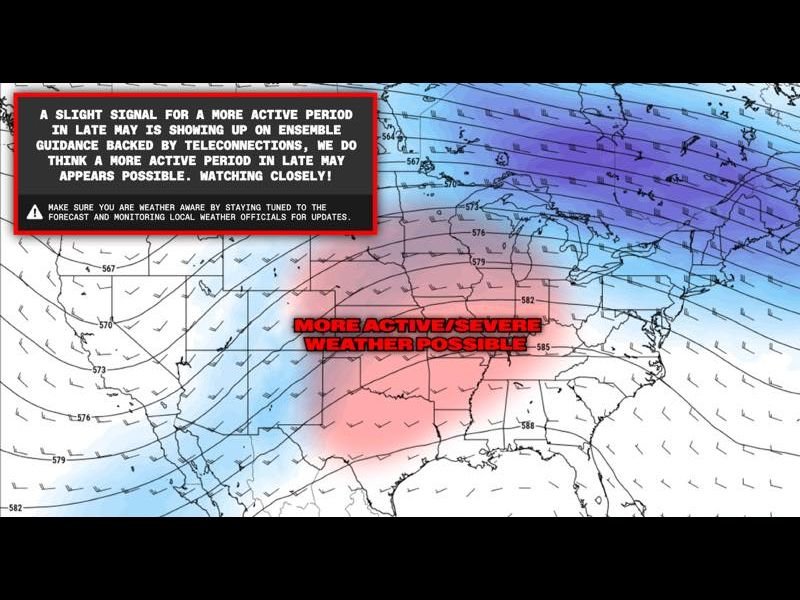
The European Ensemble Model, a leading long-range weather forecasting tool, is highlighting a developing severe weather pattern that could rival the infamous 2004 tornado season. That year saw a relentless series of devastating tornadoes across multiple states, causing widespread destruction and loss of life.
Euro Ensemble Model Signals Highly Active Severe Weather Period
On May 7, 2026, the Euro Ensemble’s 500mb wind analysis clearly depicted a classic trough-ridge atmospheric pattern across the United States. This configuration triggers the perfect storm of meteorological conditions—wind shear, moisture transport, and atmospheric instability—needed to fuel long-track, violent tornadoes.
Meteorologists emphasize the pattern’s consistency over several forecast runs, increasing confidence that the late-May period will be marked by significant thunderstorm development and tornado outbreaks. While long-range model predictions carry uncertainty, this emerging trend demands serious public attention and preparation.
Comparisons to the Explosive 2004 Tornado Season
The potential tornado outbreak could bear striking similarities to 2004, one of the most intense and extended severe weather seasons in recent US history. That season produced numerous violent tornadoes across the central United States, devastating communities from the Great Plains through the Mississippi Valley and into the Great Lakes.
Experts warn that if the Euro Ensemble’s projections come true, residents in this vast corridor should expect weeks of elevated tornado risk well into June, vastly increasing the danger to lives and property across multiple states simultaneously.
Communities Urged to Prepare Now
Officials and weather experts are urging residents from Texas and Oklahoma in the south through the Dakotas and Minnesota and extending eastward to Michigan and Ohio to review severe weather safety plans immediately. This includes verifying weather alert systems and emergency kits and staying tuned to local updates, particularly as late May unfolds.
“The atmospheric ingredients for a major tornado outbreak are aligning,” said a National Weather Service meteorologist. “Communities need to be vigilant and prepared.”
What Happens Next?
The next week will be critical as models update and meteorologists refine forecasts. Residents and emergency officials across the Great Plains and Great Lakes will need to act on new information rapidly as this developing severe weather threat progresses.
The Alaska Insider will continue to provide live updates and detailed analysis on this potentially dangerous tornado season. For ongoing coverage, visit weather authorities and trusted sources such as SaludaStandard-Sentinel.com.