Marco Rubio Issues Hardline Warning as Iran Moves to Control Strait of Hormuz
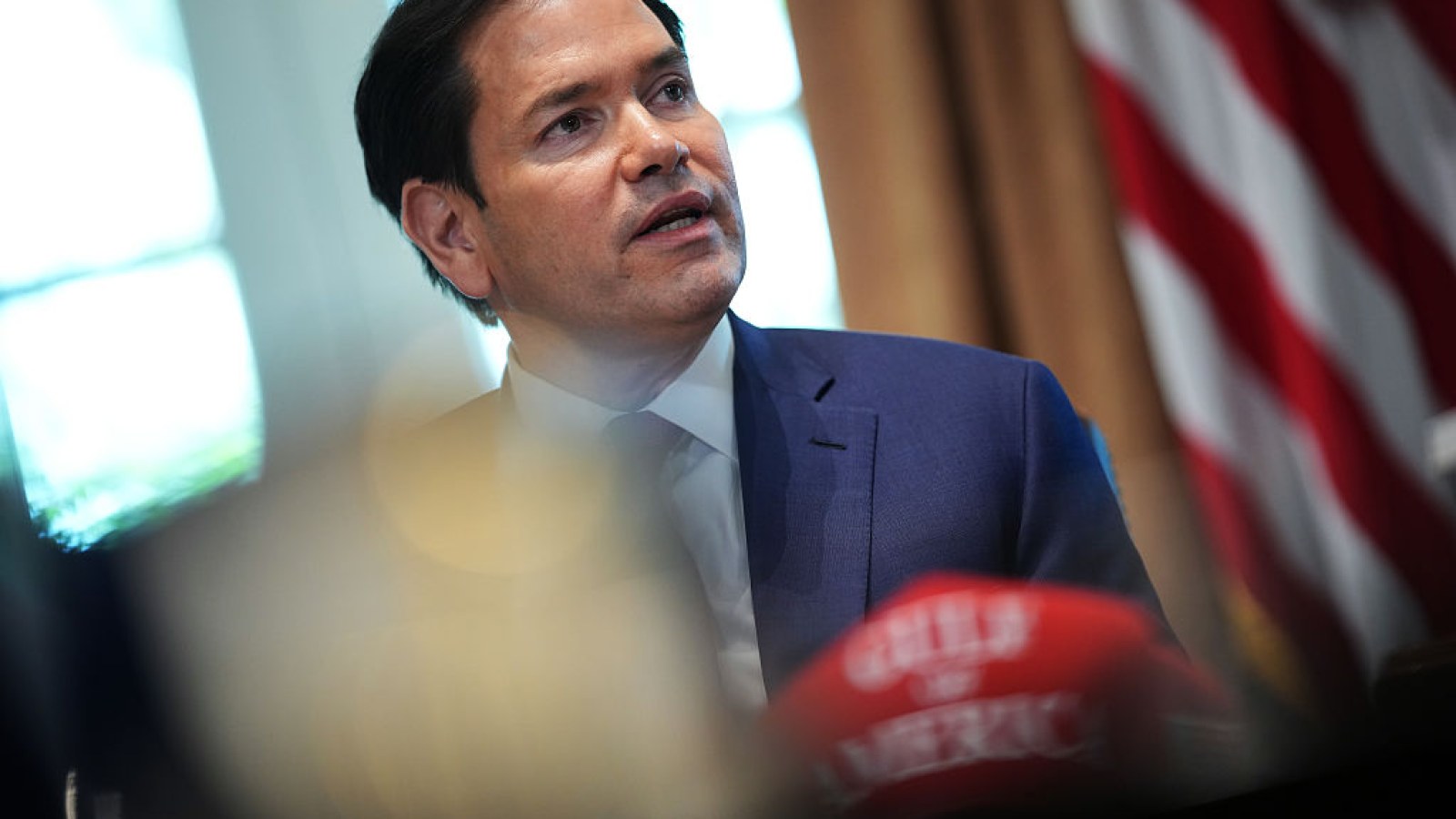
Secretary of State Marco Rubio delivered a sharp warning to Iran over its reported attempt to assert control of the strategically vital Strait of Hormuz, declaring such a move would be “unacceptable” to the United States. The Strait of Hormuz is a key international waterway through which a significant portion of the world’s oil supply passes, making Tehran’s ambitions a potential flashpoint with global repercussions.
Speaking with reporters in Italy, Rubio stated Iran has yet to respond to the latest U.S. proposal aimed at negotiating a resolution to ongoing tensions, with hopes to enter serious peace talks “today.” Despite this, he described Iran’s leadership as “highly fractured and a bit dysfunctional,” underscoring the unpredictable nature of Tehran’s decision-making.
Rising Tensions After New Clashes in the Strait
The warning follows recent violent clashes in the Strait of Hormuz that have escalated fears of wider conflict. Iran’s central military command, the Khatam Al-Anbiya Headquarters, accused the U.S. of striking key Iranian ports in the region, prompting Tehran to retaliate by attacking American naval vessels. Iran claimed the strikes caused “severe and substantial damage,” contrary to U.S. statements reporting no ship damage.
President Donald Trump downplayed the clashes, telling ABC News the incidents were “just a love tap” and highlighted that three U.S. destroyers transited the strait under fire but suffered no harm. On social media, Trump added that Iranian attackers were “completely destroyed along with numerous small boats” replacing Iran’s Navy.
U.S. Central Command (CENTCOM) confirmed it targeted multiple Iranian launch sites, command centers, and intelligence nodes in retaliation. CENTCOM emphasized that while it does not seek escalation, it remains “positioned and ready to protect American forces.” Meanwhile, Iran vowed to “respond powerfully and without the slightest hesitation to any attack.”
Iran’s Regional Aggression Intensifies
The volatile situation extends beyond the Strait. Iran launched drone and missile attacks on the United Arab Emirates, triggering activation of UAE air defense systems. This broader regional escalation adds pressure on diplomatic efforts and heightens global concerns over stability in the Persian Gulf.
What’s Next? Negotiations Hang in the Balance
Rubio expressed cautious optimism that negotiations might still move forward, acknowledging the uncertainty around Iran’s response. “A deal might not happen, but it could happen any day,” Trump said, asserting that Iran may desire a resolution even more than the U.S. does.
The world now faces a critical question as Rubio stressed: if Iran attempts to normalize control over the Strait of Hormuz, an international waterway, “the world has to start asking itself what it is willing to do.” This escalating standoff carries significant risk for global energy supplies and geopolitical stability—issues that matter deeply to Alaska and the entire United States given our economy’s connection to energy security.
For Alaskan and American readers watching closely, the Strait of Hormuz crisis represents a pivotal moment, with implications reaching beyond the Middle East to national security and economic interests at home.
The coming hours and days will prove crucial as the U.S. and Iran navigate these dangerous waters, with potential consequences for international trade, military engagement, and future diplomatic relations.