Opposition Leader Angus Taylor Stokes Debate Over Welcome to Country After Anzac Day Booing
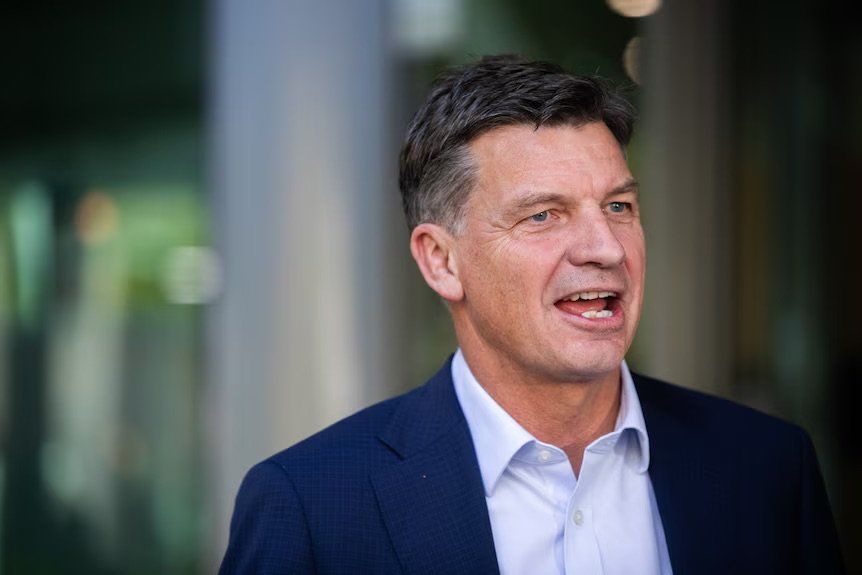
Opposition Leader Angus Taylor has ignited controversy by claiming Welcome to Country ceremonies are “overused” just days after Aboriginal Elders were booed during Anzac Day commemorations in Melbourne, Sydney, and Perth. Taylor’s remarks came during an interview on ABC Insiders Sunday, the day after the disgraceful disruptions.
The ceremonies, meant to honor Indigenous custodianship of the land, were interrupted by hecklers at multiple locations. In Melbourne, Bunurong Elder Mark Brown was booed during his Welcome to Country at the Shrine of Remembrance. Sydney saw interruptions during an Acknowledgment of Country by Ray Minniecon, and in Perth, Whadjuk Noongar Elder and veteran Di Ryder faced similar hostility.
Despite condemning the booing as unacceptable, Taylor echoed sentiments from former Liberal leader Peter Dutton, stating: “I feel that at times — often, actually. I think it is overused and as a result they are devalued.”
He added that reducing frequency could restore the ceremony’s significance: “I would like to see them used less and therefore not devalued, as I think they have been over time.” Taylor emphasized that decisions to hold ceremonies should be left to individual organizers but urged for a “let’s do this less and make it more special” approach.
Political Repercussions and Public Outrage
Taylor’s comments come amidst sharp backlash against the booing. RSL WA chief executive Stephen Barton called the Perth incident, where Aunty Di Ryder was targeted, “one of the most disgraceful things I have ever heard.” In Melbourne, anti-immigration group Fight for Australia used social media to mobilize protesters, some linked to the disbanded neo-Nazi National Socialist Network, according to reports in The Age.
Victorian Premier Jacinta Allan publicly condemned the disruptions, stating, “To break the stillness of Dawn Service is not just ugly behavior towards our Aboriginal servicemen and women — it disrespects everyone who fought for our freedoms.” Allan called politicizing the sacred event “bastardry” and urged all leaders to condemn the acts.
“Di, on behalf of RSL and veteran community, I offer my heartfelt thank you for that acknowledgement to country… It was one of the most disgraceful things I have ever heard.” – Stephen Barton, RSL WA
Indigenous academic Marcia Langton weighed in with a strong call for accountability, urging bans on those who heckled from future sacred ceremonies. She highlighted the often-overlooked Indigenous military contributions, noting more than 118 Aboriginal and Torres Strait Islander men served in the Australian Light Horse during the First World War.
Broader Debate Over Indigenous Recognition
Taylor’s remarks extend a simmering national debate on Indigenous recognition ceremonies and the forthcoming national Voice referendum. His refusal to criticize far-right politician Pauline Hanson‘s anti-immigration views further fuels questions about his position on race and identity politics in Australia, a debate resonating beyond its shores.
The controversy over Welcome to Country ceremonies spotlights tensions between Indigenous cultural respect and broader public and political attitudes. Critics argue that such ceremonies are vital for reconciliation, while others, including Taylor and Dutton, suggest they are excessive and divisive.
As this story develops, it holds implications for how Indigenous traditions are integrated into national events not only in Australia but as seen by observers worldwide, including Alaskan and U.S. audiences familiar with Indigenous reconciliation efforts.
What’s Next
Organizers of commemorative events face growing pressure to address disruptions while balancing tradition and public sentiment. Australia’s political landscape remains charged over Indigenous recognition, promising escalating debates as the Voice referendum approaches.
For U.S. readers, parallels can be drawn to ongoing Indigenous and minority recognition discussions, highlighting the delicate balance between honoring heritage and managing politicization during national ceremonies.