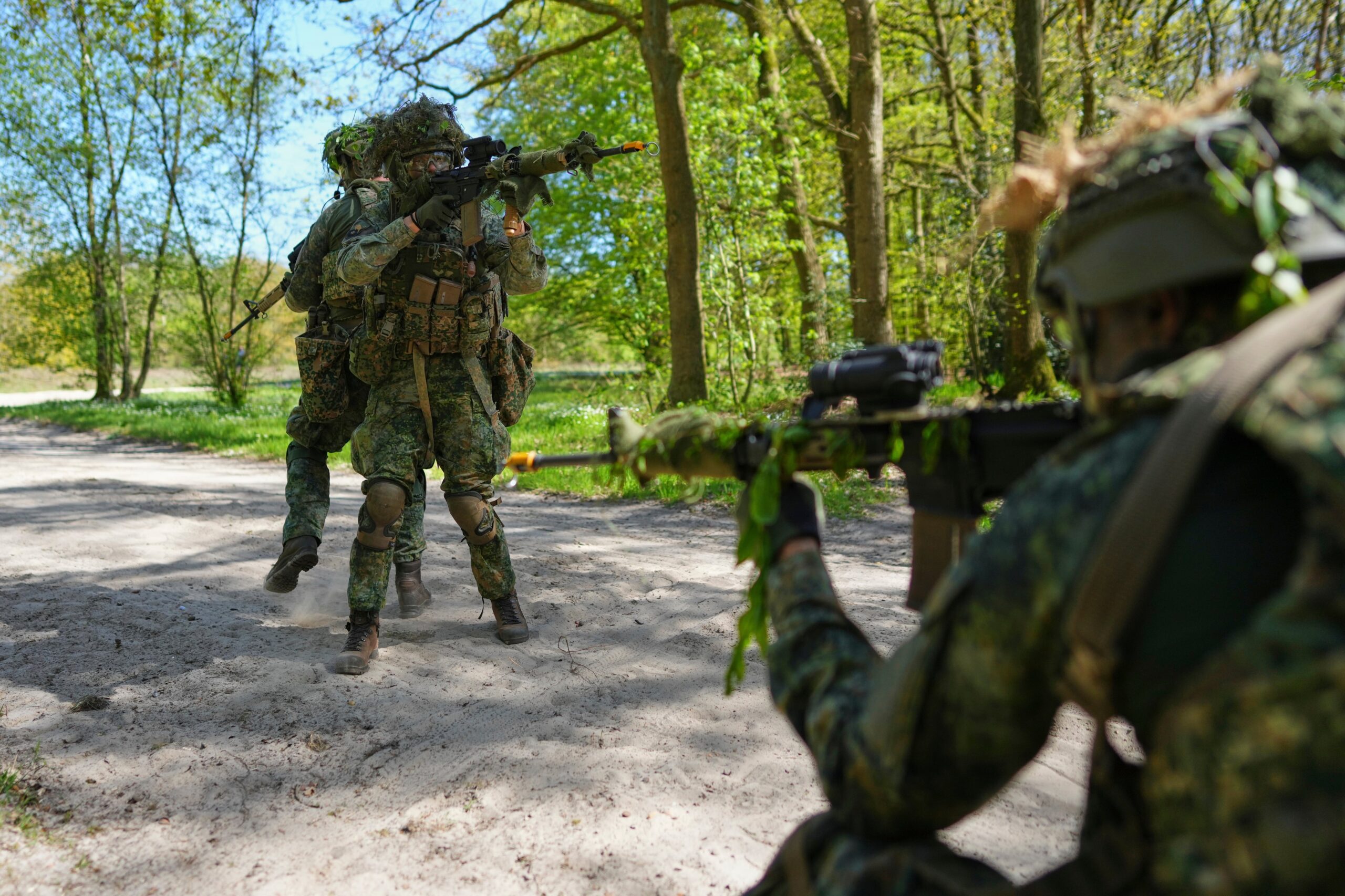
HAVELTE, Netherlands — The Dutch military is rapidly expanding its volunteer reservist ranks as the country confronts growing security threats amid the volatile geopolitical landscape in Europe. Authorities are racing to arm and train a flood of new recruits inspired by the recent enlistment of Queen Maxima and her daughter, Princess Amalia, who joined as reservists.
The Dutch government has committed to boosting military personnel from the current 80,000 to 120,000 by 2035, with an ambitious goal to nearly double volunteer reservists from about 9,000 to at least 20,000 by 2030. That target has sparked urgent efforts to expand training capacities, housing, weapons, and uniforms to accommodate the surge. Derk Boswijk, State Secretary for Defense, called the influx “a luxury problem,” while underscoring the scale of the demand: “We have more applications than we can handle.”
This unprecedented recruitment spike comes amid heightened fears of a larger European conflict triggered by Russian aggression in Ukraine. European and NATO officials warn Russian President Vladimir Putin may seek further military action within the next three to five years, prompting NATO allies like the Netherlands to modernize forces with rapid-deployment capabilities focused on mobile infantry and infrastructure defense.
The enlistment of Royal House members has energized public support, a phenomenon dubbed the “Amalia effect.” Photos of Queen Maxima training with a pistol have gone viral worldwide, adding a powerful symbolic boost to recruitment campaigns spread across traditional media and social platforms.
“It’s really a thing, yes. It’s very inspiring to see how members of our royal family inspired people to join our armed forces,”
Boswijk told The Associated Press.
Reservists commit to at least 300 hours annually, including weekend drills like recent exercises of the 10th Infantry Battalion Guard Security Corps National Reserve where volunteers practiced patrols and strategic defense maneuvers in forested terrain near Havelte. Traditionally, Dutch reservists are assigned to protect domestic sites and assist in emergencies–not frontline combat–but the training focus is now shifting to conventional infantry capabilities as global tensions rise.
Volunteers come motivated by both history and contemporary security concerns. At a recent recruitment event, recruit Lisette den Heijer expressed fear that history might repeat itself, recalling how German forces quickly overran the Netherlands in World War II.
Neighboring countries face similar challenges: Germany is exploring short-term contracts and pay boosts to attract recruits without reinstating conscription; France launches a voluntary military service with a goal of 50,000 annually by 2035; Finland, Sweden, Denmark, and Latvia maintain forms of conscription to counter Russian threats.
The Netherlands, which has suspended conscription since 1997, is aiming to make its military appealing to a diverse pool of talent. Defense officials emphasize that modern defense needs extend beyond traditional combat roles, requiring cyber, technical, and unusual skills from across society. “We need all kinds of skills… including people with hoodies and blue hair who can game perfectly,” said an official.
The surge in volunteers—and high-profile royal involvement—signals a significant shift in Dutch defense posture as Europe braces for continued instability. For the thousands now enlisting, the mission is clear: to defend their country and prevent new threats from taking hold.