Artist Highlights Chelsea Public Housing’s Community Spirit Amid Major Redevelopment
Maria Lupanez, a Chelsea-based artist and resident, is showcasing a powerful counter-narrative to the common stereotype about public housing life in New York City’s NYCHA Chelsea-Elliot Houses.
With the shadow of nearby luxurious developments like Hudson Yards and elite private schools looming large, the Chelsea-Elliot complex faces a future of demolition and replacement with brand new buildings. Many residents, including Torres, have mixed feelings about the changes, welcoming the updates but mourning the loss of the only homes and communities they have ever known.
“It’s been beautiful to see. Everywhere needs change one time or another. But let’s keep the old school going on. Let’s keep the families together,” Torres said.
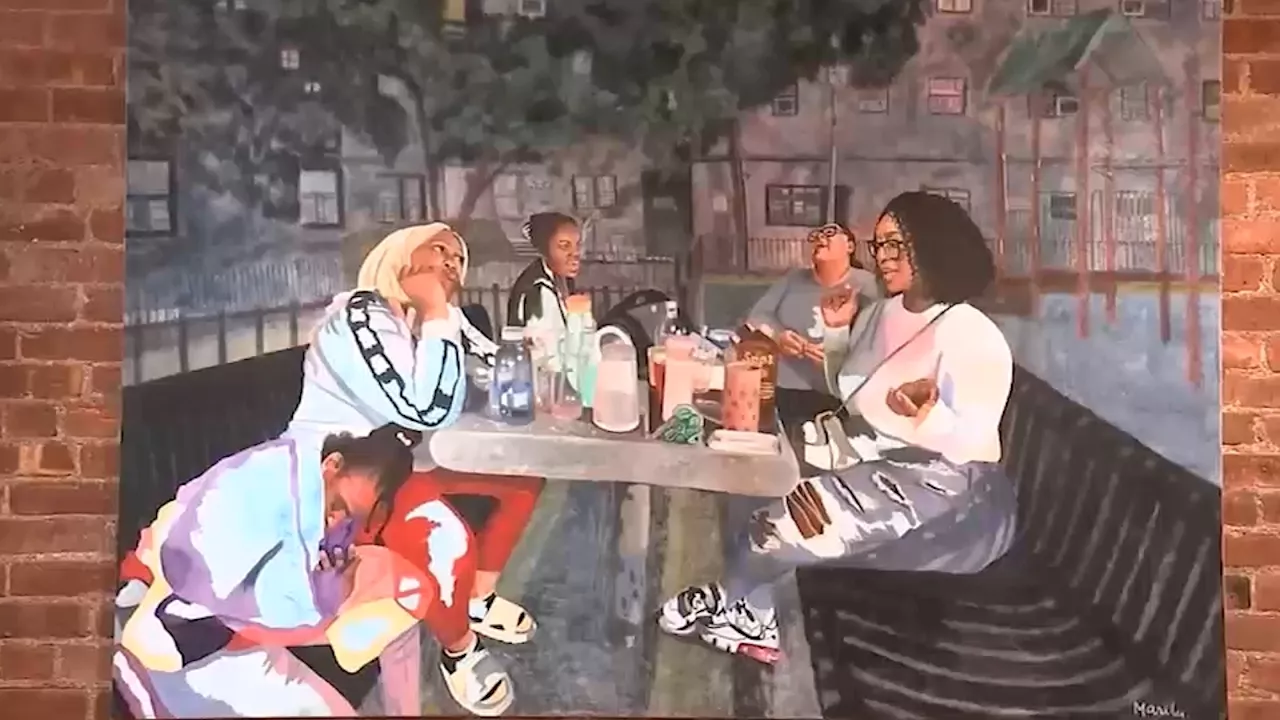
Lupanez’s new gallery, “I can’t let go”, located just down the street from the redevelopment site, captures intimate portraits of her neighbors and moments of joy, friendship, and resilience. Her paintings speak directly to perceptions of public housing as places of crime and poverty by revealing families rich in love and mutual support.
“Public housing has this stigma of crime and bad, poverty people, and it doesn’t feel that way. We’re rich with love and community,” Lupanez explained. “We’re always there to help each other out at a moment’s notice. I just want people to see we’re not strangers on a block.”
Why This Matters Right Now
The Chelsea-Elliot redevelopment is part of a broader trend in urban areas where long-neglected public housing undergoes demolition and rebuilding, often displacing long-term residents or altering community dynamics. Lupanez’s work provides a vital human dimension during this transformation, offering a lens into what might be lost if cities don’t prioritize preserving community bonds.
For Alaska and US readers, this story underscores the nationwide challenge of balancing urban redevelopment with community preservation. It highlights the urgent need to see public housing residents not as faces of hardship but as people with rich social networks and histories.
Next Steps and What to Watch
As NYCHA continues demolition and construction, the future of the Chelsea-Elliot residents remains uncertain. Advocates like Lupanez use art to raise awareness and foster solidarity around maintaining the social fabric of public housing neighborhoods.
Readers interested in urban development, housing policy, and community activism should watch developments at Chelsea closely, as its outcome could influence policies and perceptions in cities nationwide.
For now, Lupanez’s gallery serves as a timely, poignant reminder of the strength and love that thrive within public housing—even amid the disruption of redevelopment.