U.S. Immigration and Customs Enforcement is reversing course on training new deportation officers, ending its controversial shortened program and restoring a full 72-day academy regimen starting July 1, two Department of Homeland Security officials confirmed Wednesday.
The decision marks an immediate shift after ICE implemented a 42-day accelerated training program last fall that sparked bipartisan criticism and raised alarms about inadequate officer preparation amidst demands for rigorous law enforcement standards.
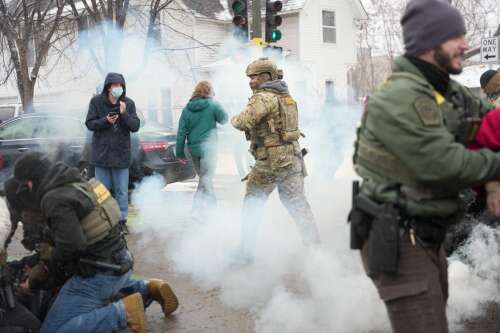
Homeland Security Secretary Markwayne Mullin, who assumed office in late March, is leading reforms aimed at restoring public trust following tragic fatal shootings by ICE and border agents during Minneapolis operations earlier this year. The extended training schedule replaces last year’s rushed model, responding to concerns from lawmakers and former ICE instructors who warned that critical classes, including use-of-force and constitutional rights, were drastically cut.
“ICE officers go through a rigorous on-the-job training and mentorship,” DHS said in a statement Wednesday, though agency officials declined to officially confirm returning to the longer schedule. Sources told Politico that the full training period at the Federal Law Enforcement Training Center in Glynco, Georgia will resume, emphasizing comprehensive preparation.
The shorter program came amid ICE’s hiring surge that more than doubled its workforce to 22,000 immigration officers, funded by a historic $170 billion congressional boost approved last year. Yet activists and Democratic lawmakers lambasted the cutbacks, highlighting that recruits completed fewer firearm handling sessions and less instruction on the legal limits of arrests and detentions.
Ryan Schwank, a former ICE instructor, testified in February that ICE slashed 240 hours of essential training from a typical 580-hour regime, endangering proper enforcement and public safety. Though DHS officials previously denied any reduction in training time, internal documents and witness accounts detailed how the academy was cut to as few as 42 days in some cases.
Under Mullin’s leadership, ICE policies are also shifting operationally. He has mandated that immigration officers obtain judicial warrants from federal judges before entering private homes, reversing last year’s guidance allowing administrative warrants approved solely by agency officials. This change signals a more cautious approach amid enduring criticism from immigration hard-liners who fear rollback of aggressive deportation tactics.
Federal data reveals ICE’s enforcement approach has already evolved. Large-scale “community sweeps” in cities like Minneapolis, which caused a spike in arrests late last year, declined significantly by March. The daily number of “at-large” migrant arrests halved from 800 in December to under 500, according to the American Immigration Council’s analysis. ICE detention numbers also dropped from a January peak of 70,766 to just over 60,000 by early April, marking a notable dip in the agency’s footprint.
The restoration of a thorough 72-day training program comes as both the public and lawmakers push for improved accountability and safety within ICE operations. The extended academy curriculum is expected to bolster officer readiness, ensuring recruits receive enough preparation on critical law enforcement tools and civil rights knowledge before active duty.
As the nation watches ICE’s evolving enforcement strategies, the agency’s plans to ramp up officer training indicate a strategic pivot designed to balance expansive immigration control with growing demands for transparency and professionalism.
The next benchmark to watch is July 1, when the updated training protocol officially begins, potentially setting a new standard for immigration enforcement across the United States.