U.S. House Passes Landmark 2026 Farm Bill After Three Years of Delays
The U.S. House of Representatives delivered a major legislative breakthrough by passing the 2026 Farm Bill on April 30, ending a contentious delay that has lasted three years. The long-awaited legislation aims to replace the extended 2018 Farm Bill with key updates sought by farmers and rural communities across the nation.
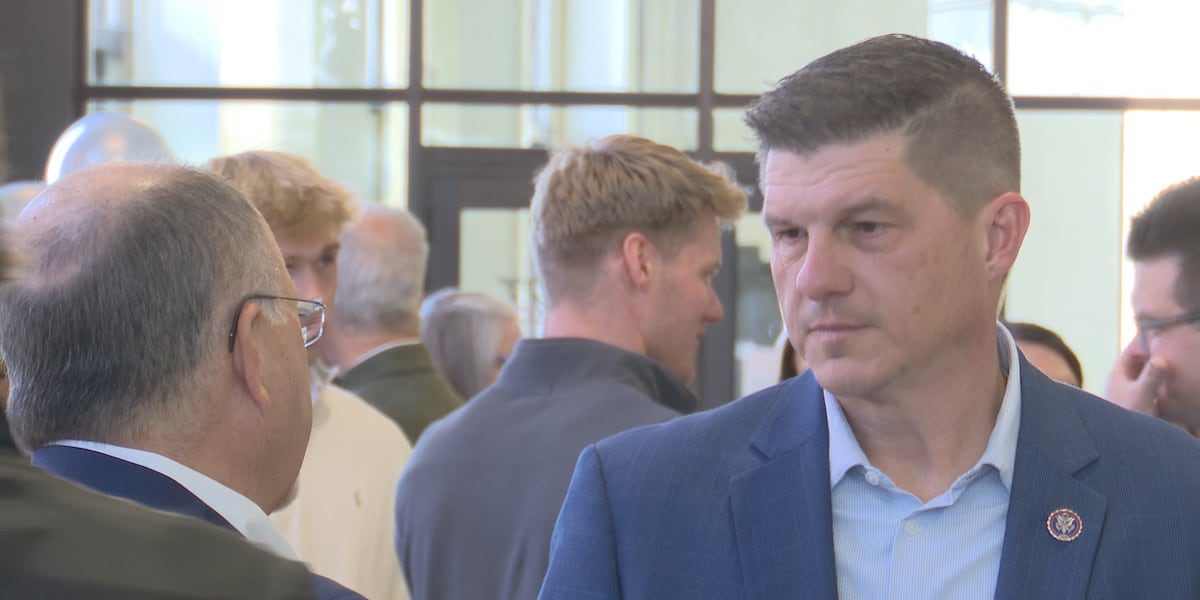
Representative Brad Finstad, a Republican from southern Minnesota, celebrated the passage and addressed constituents just weeks earlier on April 7 at the Fendt Lodge in Jackson, Minnesota. Finstad highlighted that this version of the bill reflects extensive community input gathered through 21 listening sessions across his district. “I’m smart enough to know I’m dumb,” Finstad said. “I’m going to listen to my neighbors, get their ideas and bring them back to Washington.”
The bill’s passage in the House comes after repeated extensions of the 2018 Farm Bill due to legislative gridlock. Now, urgency builds for the Senate to pass its own version before the current extension expires on September 30, 2026. Finstad expressed optimism: “We passed it off the committee in a bipartisan way, we passed it off the House floor bipartisan, we really have delivered it to their doorstep.”
Key Provisions Drive Hope for Farmers Facing Tough Challenges
Among the bill’s highlights are updated rates for Price Loss Coverage and crop insurance—measures critical to farm income stability. Wesley Beck, president of the Minnesota Corn Growers Association, called the progress “a big win” while emphasizing ongoing battles over year-round E-15 fuel access, a cleaner, higher-ethanol blend that could open new markets for corn growers.
Finstad voiced support for expanding E-15 sales year-round, an issue tied to creating fresh economic opportunities for Minnesota’s corn industry and farmers nationwide. “There is one big piece still hanging out here, and we’ll cross that bridge next week, and that’s the E-15,” Beck said during the Jackson event.
The bill also includes provisions aimed at speeding up loan access for first-time farmers, a critical step amid soaring costs and shrinking farmland availability. Thomas Schwarz, a 30-year-old co-operator of Lone Oak Farms, a family turkey business in Le Sueur, Minnesota, explained how capital-intensive agriculture now demands faster federal loan processing to compete in auctions and land sales. “The economy moves fast. To be present at an auction, you want to be able to compete,” Schwarz said.
Bipartisan But Not Without Criticism
Despite bipartisan support, criticism remains from farming advocates unsatisfied with the bill’s scope. Jake Johnson, Finstad’s Democratic opponent in the upcoming 2026 congressional election, called the legislation “too little, too late” to address rising input costs, export market losses, and cuts to nutrition programs like SNAP that many families rely on.
Jake Johnson: “We lost 1,300 farms in Minnesota last year. We needed this Farm Bill three years ago. This incremental fix isn’t enough to alleviate the real concerns farms face.”
Meanwhile, Bill Hurley, vice president of Global Government Affairs for agricultural equipment giant AGCO, praised the ability of farmers to follow and weigh in on legislation as it moves. “The economic pressures on the U.S. farm economy are significant and one of the things they need most is certainty,” Hurley said.
What’s Next?
With the House approval secured, the focus shifts to the Senate, where the Farm Bill faces a tight deadline before the current extension lapses on September 30, 2026. The bill’s bipartisan passage in the House gives hope that lawmakers can finally end years of uncertainty.
For farmers in Alaska and nationwide, the stakes are high. The 2026 Farm Bill will shape agricultural policy, commodity supports, environmental programs, and rural development initiatives for years. Stakeholders will be watching closely as Senate negotiations unfold in the coming months.
The historic vote underscores the critical need to support American agriculture amid volatile global markets, changing climate realities, and evolving energy policies. As Rep. Finstad pointed out, real progress comes from listening directly to farmers and translating their concerns into law—momentum now heading to Washington’s final legislative hurdle.