Guatemala’s president replaces attorney general after years-long corruption clash
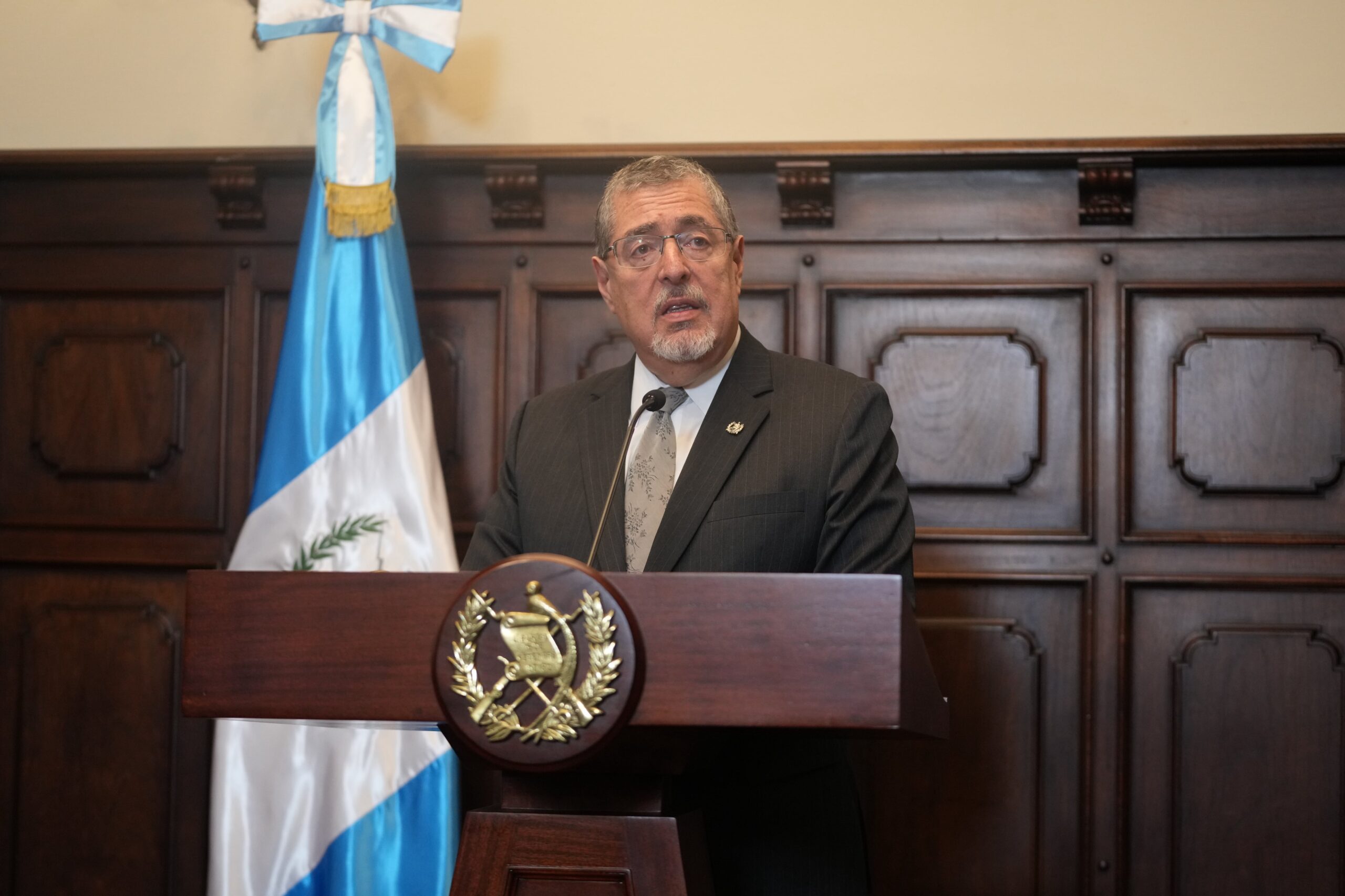
GUATEMALA CITY — Guatemalan President Bernardo Arévalo took decisive action Tuesday, appointing Gabriel Estuardo García Luna as the new attorney general to lead the national prosecutor’s office, ending a brutal, years-long showdown with the former top prosecutor Consuelo Porras.
This appointment signals a pivotal reversal in Guatemala’s justice system, long crippled by corruption accusations and political interference. Porras, sanctioned by more than 40 countries for obstructing anti-corruption probes, has faced intense international criticism for weaponizing the prosecutor’s office against political opponents, journalists, and even Arévalo himself.
García Luna, a 49-year-old attorney with 22 years of legal experience and doctoral studies, was selected from a competitive pool of 48 candidates by a commission including the Supreme Court president and law school deans. His appointment becomes effective on May 17, when Porras’ controversial term ends.
“The Public Ministry is getting a new authority who does not come to serve a president, the government of the day, or particular or spurious political interests,” Arévalo declared in a national address.
Since Arévalo’s election last year, Porras’ office repeatedly attempted to block his presidency through politically charged investigations. Notably, her team targeted Arévalo’s Seed Movement party, conducting raids, seizing ballot boxes, and seeking to lift his immunity under dubious pretenses.
This intense conflict spotlighted the entrenched power struggles that have long plagued Guatemala’s independent prosecutor’s office, often hamstrung by corruption and political manipulation. Presidents have had little leverage to replace antagonistic attorney generals, allowing corruption to fester unchecked.
Observers in Guatemala and abroad now see García Luna’s appointment as a critical opportunity to restore integrity and public confidence in the nation’s law enforcement and judicial institutions.
As this transition unfolds, international human rights advocates and anti-corruption watchdogs will closely monitor how this new leadership addresses the deep-rooted corruption that has long hampered Guatemala’s governance—and challenges the powerful interests Porras is accused of protecting.
What’s next?
With García Luna poised to lead starting May 17, Guatemala faces a defining moment in its ongoing battle against corruption. His mandate is clear: reshape the prosecutor’s office into an autonomous institution serving justice—not political agendas.
For U.S. and Alaska readers tracking global democracy and anti-corruption efforts, this shift in Guatemala exemplifies the high stakes and fierce battles faced when entrenched power resists reform—a universal story resonating far beyond Central America’s borders.
Stay tuned as The Alaska Insider continues coverage of this developing story and its impact on international justice and governance trends.