Historic Irish freedom icon Catalpa flag displayed briefly in Dublin ignites urgent calls for permanent tribute
The National Museum in Dublin recently showcased the iconic Catalpa flag for just two days, reigniting demands for a permanent exhibit honoring Irish seagoing heroes who defied British imprisonment over 150 years ago. This rare public display highlights a dramatic saga of political prisoners’ escape that resonates deeply amid ongoing efforts to preserve Irish revolutionary heritage.
150-Year-Old Escape Flag Returns to Spotlight
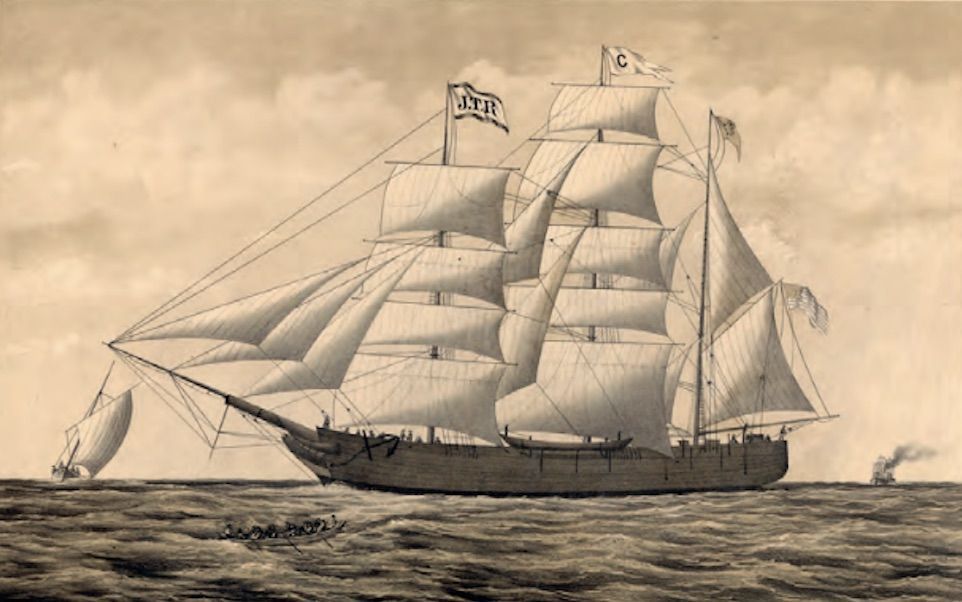
The Catalpa, a whaling ship equipped by Irish-American supporters under leader John Devoy, rescued six Fenian prisoners from harsh British sentences in Western Australia in 1876. The daring escape challenged the might of the British Royal Navy, which fired warning shots before retreating when confronted by the American captain’s assertion of international waters.
After decades in private hands of republican leaders such as Joe McGarrity and Joe Clarke—a veteran of the 1916 Easter Rising—the flag was entrusted to Ireland’s National Museum in 1972 but had never been publicly displayed until now due to delayed curatorial plans. The brief exhibition came after public pressure and political advocacy, notably by Conor Murphy in the Seanad.
The museum also houses critical Fenian letters and artifacts tied to John Devoy, all underscoring a powerful story of resistance and solidarity across continents.
Calls Grow for Permanent Irish Revolutionary Heritage Investment
Alongside calls for a lasting Catalpa exhibit, attention is turning to Moore Street in Dublin, the final headquarters during the 1916 Easter Rising. Despite government promises nearly two decades ago to turn the area into a national monument, the site remains undeveloped and vulnerable to commercial pressures from developers such as Hammerson/Allianz.
Dublin City Council, former city mayors, Sinn Féin, and preservation groups have pushed the government to acquire the full terrace through a compulsory purchase order to preserve Moore Street as an historic and cultural quarter. The move has gained backing from families of the 1916 signatories and activists like James Connolly Heron, who stressed the site’s critical role as the last bastion of armed Irish resistance in Dublin.
“The continuing uncertainty over the future of this last extant 1916 battlefield in the city must end,” said Heron, urging public ownership to protect and honor Irish freedom fighters.
Preserving Moore Street is seen as vital not only for cultural memory but also for boosting tourism and generating jobs in Dublin’s historic heart.
Sinn Féin Gears Up for Pivotal Ard Fheis in Belfast
This weekend, the Sinn Féin Ard Fheis in Belfast will convene amid growing momentum to advance Irish unity and social justice policies. Party leaders Michelle O’Neill and Mary Lou McDonald will steer debates focusing on expanding political influence across Northern Ireland and the Republic.
Veteran republican Gerry Adams, a longstanding Ard Fheis participant, reflected on Sinn Féin’s evolution from a banned group under British rule to a major political force with elected officials across multiple legislatures. The party’s internal assembly continues to shape key decisions on peace, elections, and republican strategy.
Why This Matters Now
For readers interested in the history of political freedom and resistance, the unfolding efforts to eternalize Irish revolutionary symbols align with broader struggles worldwide to reclaim narratives suppressed by colonial or authoritarian powers. The renewed visibility of the Catalpa flag and the fight to preserve Moore Street highlight the enduring power of symbols in shaping national identity and inspiring future generations.
With the Sinn Féin Ard Fheis underway, significant policy shifts may influence not only the future of Ireland but also political dynamics in Europe and beyond, resonating with U.S. audiences engaged in global struggles for democracy and self-determination.
What’s Next
Monitor developments as Dublin City Council and the Irish government face mounting pressure to secure Moore Street’s future before the ongoing High Court judicial review in early next year. The National Museum is also expected to announce plans regarding the permanent display of the Catalpa flag and related Fenian artifacts, potentially creating a major cultural landmark for Irish freedom heritage.
Simultaneously, attention will focus on Sinn Féin’s policy outcomes post-Ard Fheis and their implications for the push toward Irish unity—a significant political transformation with potential ripple effects reaching U.S. diplomatic and cultural interests.
The brief but powerful return of the Catalpa flag is more than a historical moment—it is a call to action to preserve and celebrate the sacrifices that shaped modern Ireland now echoing across global liberty movements.