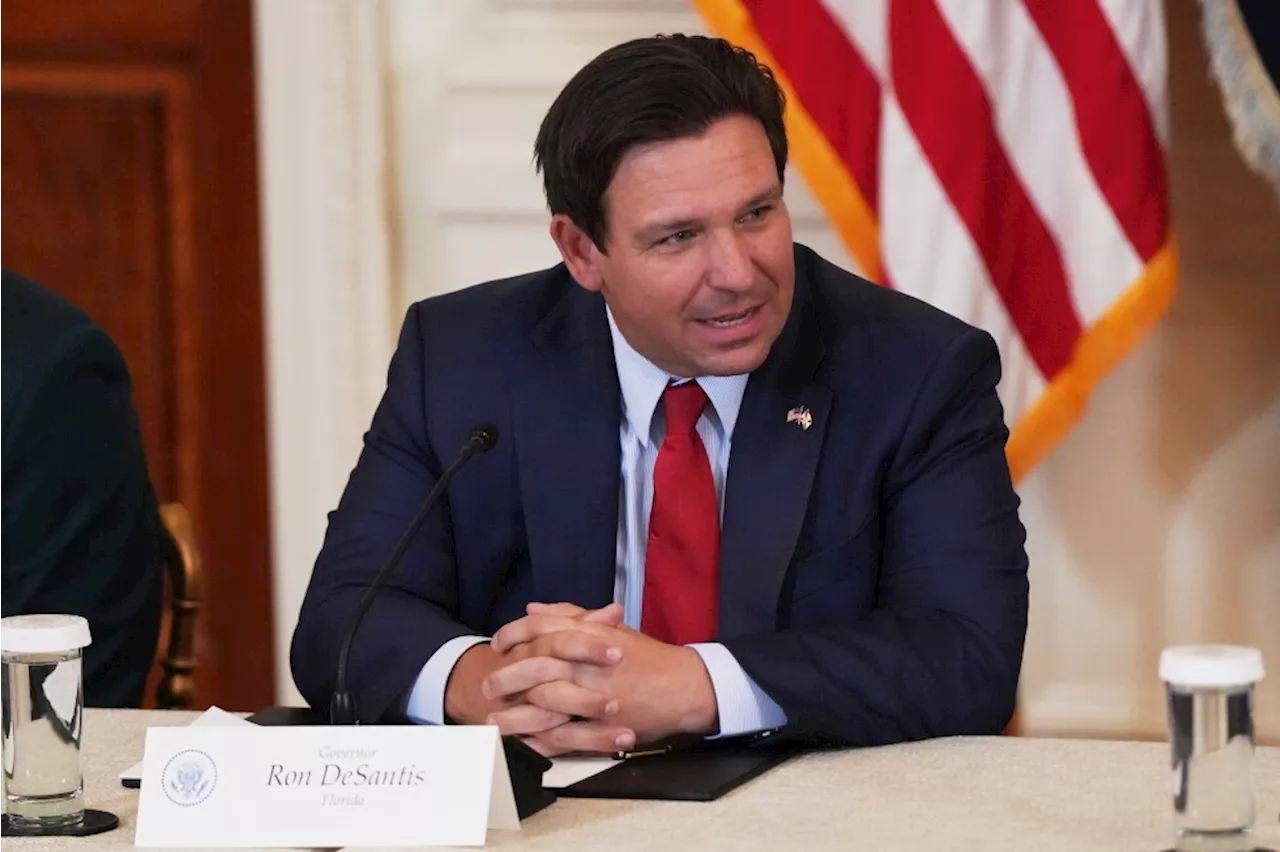
Florida Governor Ron DeSantis has reignited a fierce political battle as he moves to redraw the state’s congressional map in a special legislative session starting this week.
DeSantis’ aggressive proposal aims to expand Republican control by increasing GOP-held House seats from 20 to 24, while reducing Democratic representation from 8 to 4. This maneuver mirrors Democrats’ potential gains in Virginia and directly targets key districts around Orlando and Tampa Bay. Notably, the plan could unseat prominent Democrats like Jared Moskowitz and Debbie Wasserman Schultz, reshaping Florida’s political landscape ahead of November’s midterms.
This special session, convened amid DeSantis’ final year as governor, marks one of his last opportunities to assert influence and signal his potential as a future GOP national leader. The stakes are sky-high as DeSantis battles not only Democratic opposition but also skepticism within his own party.
Internal GOP Tensions and Strategic Risks
Some Republicans warn the new map may backfire by creating more competitive districts that could help Democrats flip seats if voter sentiment shifts against Trump-aligned candidates this fall. Karl Rove, former adviser to President George W. Bush, cautioned that an overly aggressive map might cost Republicans “a seat or two.” Yet DeSantis has strong supporters, including influential fundraiser Brian Ballard, who credits DeSantis with masterminding the 2021 redistricting that expanded GOP advantages.
Meanwhile, state legislative leaders including House Speaker Daniel Perez and Senate President Ben Albritton are maintaining a cautious stance, signaling they will not propose their own maps but respond to DeSantis’ initiative. Albritton has reminded colleagues of the constitutional limits against blatant partisan gerrymandering in Florida.
DeSantis Battles on AI and Vaccine Rules
Alongside redistricting, DeSantis is pushing new regulations on artificial intelligence, including parental consent requirements for children interacting with chatbots and restrictions to prevent AI-generated harmful content targeting minors. These tech-focused measures have faced resistance previously in the state House.
DeSantis is also advocating for loosening vaccine mandates in public schools by introducing conscience-based exemptions alongside existing religious ones, aligning with anti-vaccine elements within the GOP base. These moves position him at odds with some legislative leaders and even complicate his relationship with former President Donald Trump’s supporters.
DeSantis vs. Trump: A Fractured GOP Future
The redistricting battle unfolds amid unresolved tensions between DeSantis and Trump. Although DeSantis endorsed Trump’s 2024 campaign after dropping his presidential bid, the rivalry remains palpable. Trump’s camp reportedly harbors lingering resentment, particularly due to DeSantis’ previous overtures to GOP establishment figures and a fractured relationship with White House Chief of Staff Susie Wiles, who once managed DeSantis’ tight 2018 gubernatorial victory.
Political pollster Whit Ayres suggests DeSantis’ future presidential prospects are narrowing, as he now faces competition from other Republicans like Vice President JD Vance and Senator Marco Rubio for the 2028 nomination.
What’s Next?
The Florida legislature will soon debate the proposed map amid mounting pressure to complete redistricting well before the midterms. The outcomes here could reshape the national balance of power, with Florida’s 28 House seats playing a pivotal role in deciding control of Congress.
DeSantis’ aggressive gambit puts Florida back in the national political spotlight, offering a real-time test of his leadership, strategic savvy, and influence inside the Republican Party — even as internal GOP divisions threaten to erode his standing.
Alaska and US voters should watch closely, as shifts in Florida’s congressional lines may signal broader partisan tactics heading into a critical election cycle nationwide.