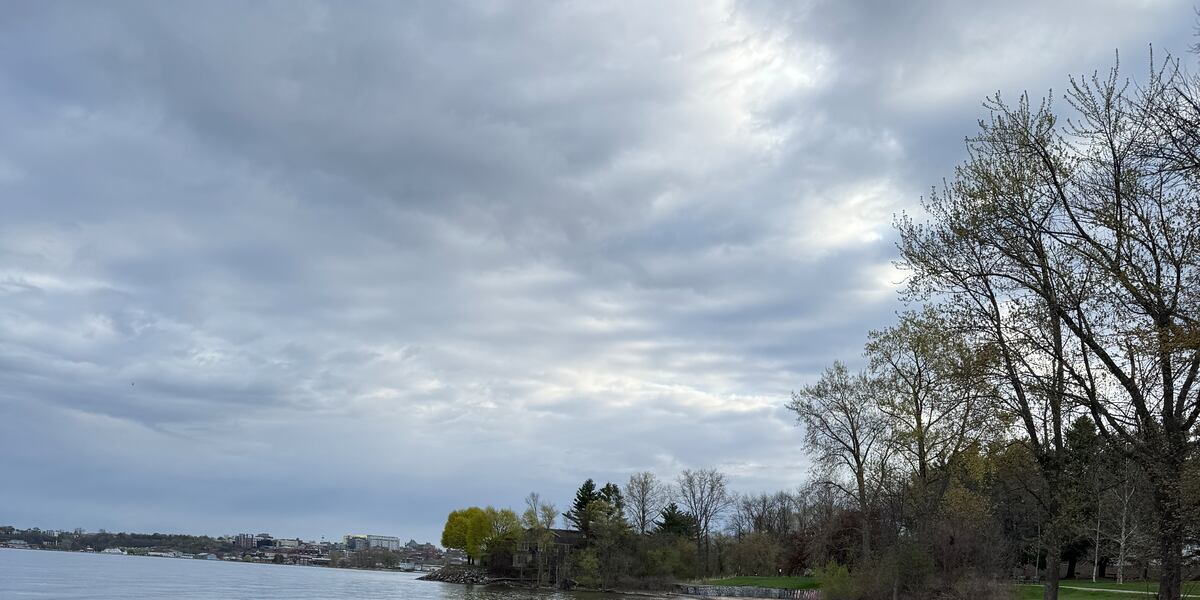
Lake Champlain Drops More Than a Foot Below Average This Spring Despite Wet Weather
BURLINGTON, Vt. – Lake Champlain’s water level is currently more than 1 foot below average this spring, officials confirm, raising immediate concerns for communities relying on the lake’s ecosystem and economy. While the shoreline appears deceptively normal or even high, the true numbers reveal a troubling deficit rooted in a historic lack of snowfall over recent months.
According to WCAX, the lake level this time of year should be near its annual peak, fueled by snowmelt runoff. However, an unprecedented snow shortage from February through April has significantly reduced this inflow. In Burlington alone, snowfall accumulation hit just 8.1 inches in March — less than half of the 17.5 inches typical for that month.
“We’ve been tracking a persistent snowfall deficit since late winter,” said a meteorologist cited in the report. The situation worsened as April followed suit with below-average snowfall, despite a generally wet 90-day period of increased rainfall across northern New York, Vermont, and New Hampshire. Rainfall, unlike snow, does not replenish the seasonal snowpack essential to the lake’s spring rise.
Key regional sites such as Mount Mansfield, Vermont’s highest peak, have experienced below-average snowpack since March 30. This has exacerbated the lake level shortfall and prompted hydrologists to raise the alert for potential water shortages and ecosystem stress as the summer approaches.
Why Lower Lake Levels Matter Now
Lake Champlain supports a wide range of activities from local fisheries and tourism to freshwater supply and wildlife habitat. A drop beyond the usual seasonal variance could trigger downstream effects, including navigation difficulties for boats, strain on aquatic species, and risks to local economies dependent on stable water conditions.
This unusually low level follows a period last year when the lake dropped to historically low depths from August through October 2025, compounding concerns that 2026 could bring a repeat or worse.
Outlook and What to Watch
Forecasters indicate a “slight chance” of increased precipitation over the next three months — May, June, and July — which could offer some relief. “We’re monitoring every data point closely,” officials said. Updates will continue across multiple platforms, including online, on air, and on social media, to keep residents and stakeholders informed.
The Lake Champlain Basin Program and local authorities are urging communities and industries dependent on the lake to prepare for potential fluctuations and conserve water where possible.
For readers in Alaska and across the United States, this situation underscores the broader challenges posed by changing precipitation patterns and climate variability—a trend impacting water resources nationwide.
“While the lake’s level looks normal at first glance, the underlying data shows a troubling deficit that demands our close attention heading into summer,” a Vermont hydrologist said.
This developing story highlights the urgent need for awareness and adaptation to shifting environmental baselines around vital freshwater sources across the US.