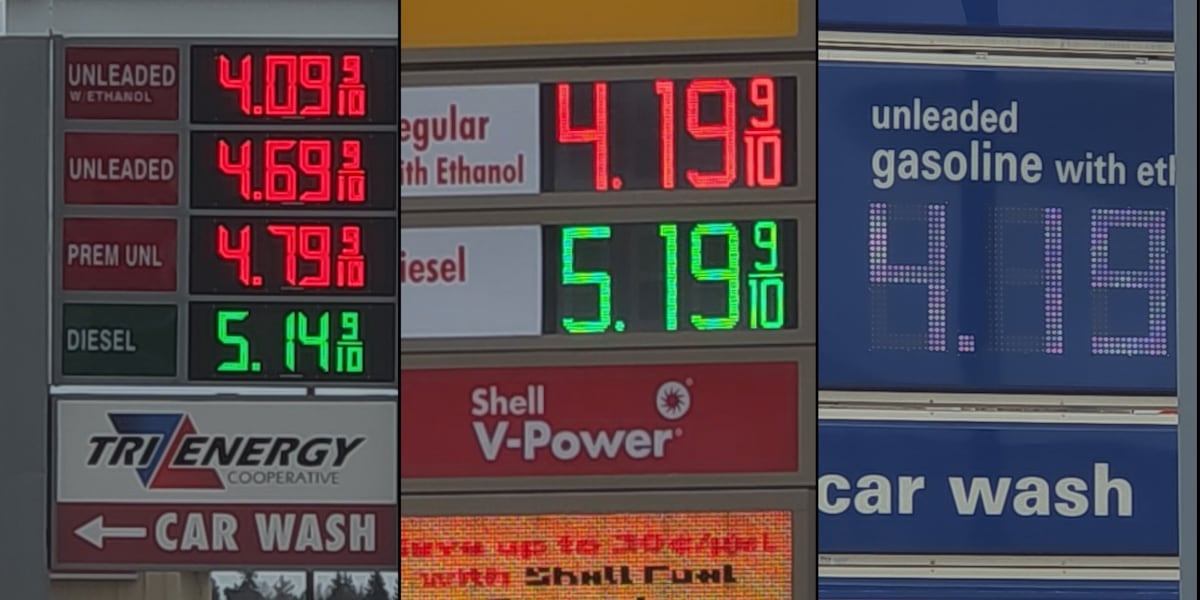
North Dakota drivers face an alarming spike as gas prices soar more than 30 cents in just one week, according to the latest data from the American Automobile Association (AAA). The statewide average now stands at $4.08 per gallon, a sharp increase that reflects escalating tensions from the ongoing U.S. conflict with Iran.
The dramatic rise adds to pressure on North Dakotans already dealing with costs more than a dollar higher than this time last year. Nationally, the average price per gallon hits $4.48, marking the highest level since July 2022, with a 49% surge since the war began in late February.
Conflict Shuts Critical Oil Passage, Fueling Price Surge
The conflict between the United States and Iran has now stretched beyond two months, with the strategically vital Strait of Hormuz remaining closed. This closure cripples key global oil supply routes, pushing prices upward across states including North Dakota.
Representative Julie Fedorchak acknowledged the difficulty the rising prices create but emphasized the state’s energy production potential.
“It’s tough right now, but what we’re seeing in North Dakota, we can increase production in Bakken,”
Fedorchak said.
“That’s all helpful and will help continue to stabilize the prices. And once we wrap up this conflict in Iran, I think that our American economy is going to soar and prices are going to go down.”
Why North Dakota is Watching Gas Prices Now
North Dakota’s energy sector has the capacity to partly offset these global supply shocks. The Bakken formation remains a critical source of domestic crude oil, which could ease pressure on gas prices over time. However, the immediate impact of the Iran conflict combined with ongoing supply constraints is forcing consumers to pay more at the pump.
With gas prices at their highest in nearly four years and inflationary pressure hitting essentials like fertilizer, many in the state and across the country feel the pinch. Farmers and drivers alike face tough decisions as costs spiral upward, impacting daily life and the broader economy.
What’s Next?
Markets and consumers now await potential breakthroughs in resolving the conflict and reopening the Strait of Hormuz. Any progress could bring swift relief in global crude prices, benefiting American drivers and businesses alike.
Meanwhile, local policymakers and industry leaders are urged to focus on maximizing domestic production to partially counteract these international disruptions.
For North Dakotans and Americans watching gas prices closely, the next few weeks are critical as geopolitical tensions continue to shape energy costs.
Stay updated with The Alaska Insider as this story develops and impacts energy prices across the United States.