IRENA Issues Urgent Call for Renewable Energy Shift Amid Global Crisis
The International Renewable Energy Agency (IRENA) has released a critical advisory urging countries worldwide to accelerate their transition to renewable energy in response to the escalating global energy crisis. Amid ongoing conflicts in the Middle East disrupting oil and gas supplies, IRENA’s analysis warns of widening economic instability affecting food systems, transportation, and everyday life.
Immediate action is necessary to protect essential services and shield economies from volatile fossil fuel markets, IRENA emphasizes. The advisory lays out a clear three-phase strategy spanning short, medium, and long-term measures designed to secure stable and affordable energy worldwide.
Short-Term Moves Focus on Essential Services and Small-Scale Renewables
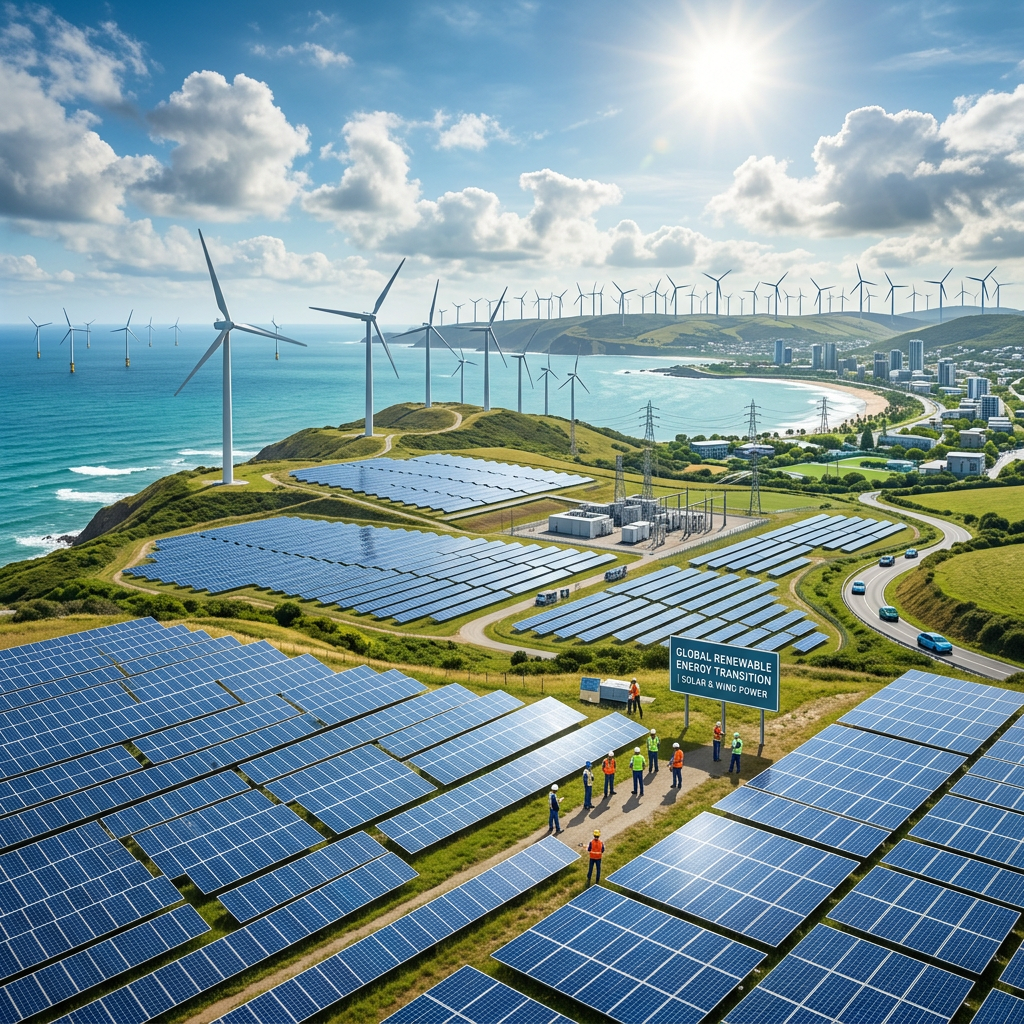
In the next zero to six months, governments are urged to rapidly deploy distributed renewable energy solutions like solar PV panels and battery-backed mini-grids in vulnerable and remote communities. This strategy aims to quickly reduce the reliance on costly diesel fuel, especially critical for healthcare, agriculture, and other vital sectors.
Alongside expanding renewable infrastructure, public awareness campaigns promoting energy conservation are recommended, as well as removing trade barriers to accelerate imports of solar panels and clean energy equipment.
Medium-Term Priorities Build Infrastructure and Promote Clean Technologies
Between six and twelve months from now, nations should establish national task forces to ensure steady funding for projects and grid upgrades. Boosting system flexibility through enhanced battery storage and smarter demand management is a top priority.
IRENA also highlights the need to deploy clean heating technologies like heat pumps and biogas, and speed up approvals for electric vehicle (EV) charging stations, underpinning a shift to cleaner transportation nationwide.
Long-Term Vision Focuses on Policy Stability and Domestic Supply Chains
Over the next one to three years, creating stable policies that attract renewable energy investments is crucial. Developing domestic manufacturing capabilities for solar panels, batteries, and related technologies will reduce vulnerabilities tied to international supply chains.
Further, the report underscores that any fossil fuel subsidies must hinge on companies meeting renewable energy targets, signaling a push to align financial support with sustainability progress.
Renewables Are Becoming the Economical Choice
IRENA’s data reveal that by 2024, 91 percent of new renewable energy projects were cheaper than fossil fuel alternatives. The plummeting costs—solar power down by 87 percent and battery storage by 93 percent since 2010—demonstrate clean energy’s financial edge.
Countries with high renewable penetration are weathering the crisis better. The European Union saved billions due to solar and wind expansion, while Portugal and Spain successfully lowered their dependence on gas-based electricity pricing. China’s minimal oil and gas reliance cushioned it from price shocks, and South Asian countries like Pakistan and India deployed solar and electric cooking solutions to combat rising energy expenses.
Electric Vehicles Bolster Energy Resilience
The growth of EVs stands out as a frontline defense against fossil fuel volatility. Rapid EV adoption in nations like China and Vietnam protects consumers from surging fuel prices while reducing pollution.
IRENA official: “A swift, comprehensive renewable energy transition is essential to deliver affordable, reliable, and secure energy for all.”
Why This Matters to Alaska and the US
For Alaska and the broader United States, IRENA’s recommendations signal an urgent need to diversify energy sources beyond fossil fuels. Alaska’s remote communities could benefit immensely from mini-grid solar and battery systems to cut diesel use. Moreover, accelerating clean vehicle infrastructure and domestic clean tech manufacturing aligns with national goals for energy security and climate resilience.
As fossil fuel markets remain unstable, American consumers and businesses face uncertain energy costs—making the transition to renewables not only an environmental imperative but a strategic economic safeguard.
Next Steps: Swift Action Required
Policymakers at all levels must act immediately to deploy short-term solutions while building momentum toward medium and long-term investments. The evolving global landscape demands that Alaska and the US accelerate their renewable strategies or risk deeper exposure to energy shocks.
IRENA’s advisory is more than a warning—it is a roadmap for surviving and thriving through today’s energy crisis and building a resilient, sustainable future.