MEET Battery Research Center Unveils Game-Changing Modular Battery Production Line
The MEET Battery Research Center at the University of Münster is breaking new ground with the launch of a revolutionary modular pilot production line for automated battery cell manufacturing. This cutting-edge facility is designed to accelerate the development of next-generation batteries by enabling rapid production of cells using diverse materials and flexible designs.
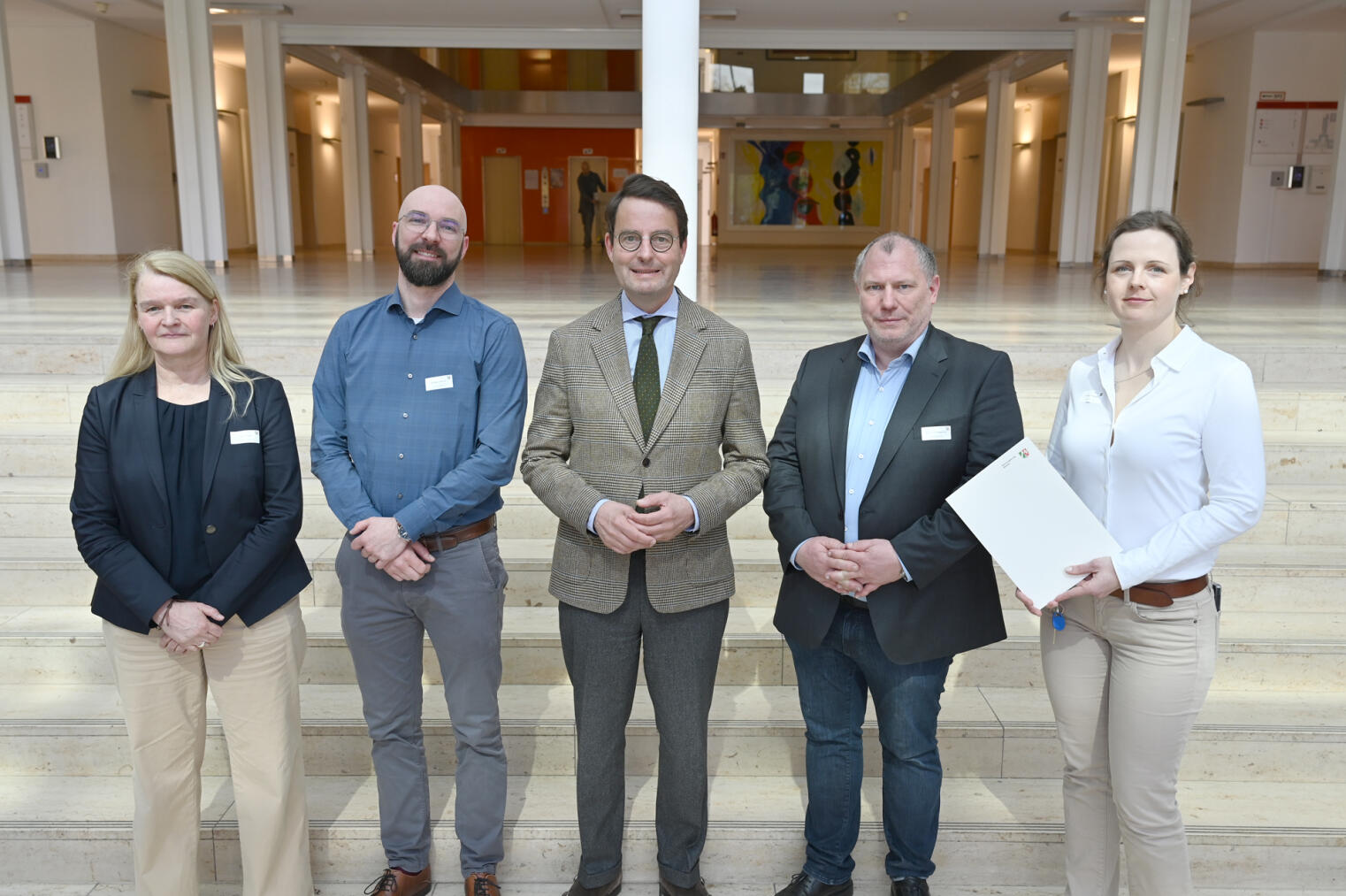
The project, dubbed “REFlexBatt 2.0,” recently received a significant funding boost of nearly 5 million euros from the European Union and the State of North Rhine-Westphalia. The official grant notification came from the Münster Regional Council on April 9, 2026. Industrial partner Safion GmbH will collaborate on this three-year initiative to ensure real-world industrial expertise is integrated from the start.
Why This Matters Now for Battery Innovation
Dr. Markus Börner, head of MEET’s Research Division Cell System, emphasized the urgent need for adaptable production infrastructure as battery chemistries diversify. “The market of battery technologies continues to diversify,” he said. New materials such as sodium and potassium batteries require highly flexible manufacturing lines capable of short changeovers that prevent cross-contamination.
MEET’s modular design allows quick replacements of contact components and fast adaptation of process steps. This innovation drastically cuts development cycles, bringing advanced battery technologies closer to practical application — a critical leap toward more sustainable, high-performance energy storage.
Closing the Gap from Lab to Industry
The pilot line is designed not just for flexibility but for scalability. It enables early-stage assembly of multi-layer cells using novel chemistries, a function that can be accelerated to full industrial production. This directly addresses a major bottleneck in battery innovation — the transfer gap between laboratory breakthroughs and pilot-scale manufacturing.
Andreas Bothe, Regional President, highlighted the broader impact: “Battery research in Münster covers a broad spectrum, from basic research to technology transfer. This funding strengthens key infrastructure, securing resource-efficient supply chains in North Rhine-Westphalia and across the European Union.”
Global and U.S. Relevance
The modular pilot line model pioneered in Germany represents a critical evolution in battery manufacturing that could influence markets worldwide, including the United States. With Alaska’s growing interests in renewable energy and energy storage solutions for remote communities, advancements in battery flexibility and speed from lab to production have far-reaching implications.
The capability to rapidly prototype and industrialize new battery chemistries means faster deployment of safer, longer-lasting, and more sustainable energy storage systems, essential for grid reliability and clean energy integration across the United States.
What to Watch
Over the next three years, the rollout and optimization of the REFlexBatt 2.0 pilot line at MEET will be a bellwether for how quickly the battery industry can pivot to new materials and designs. Industry stakeholders, policymakers, and clean energy advocates should monitor this project closely for breakthroughs that could reshape energy storage technologies and supply chains globally.
With the urgent global push toward electrification, MEET’s modular approach offers hope for accelerated innovation cycles — a crucial step on the road to carbon neutrality and energy resilience.
For the latest updates on battery technology breakthroughs shaping the energy landscape in Alaska and beyond, stay tuned to The Alaska Insider.