Islamic State-linked militants destroy historic church in northern Mozambique
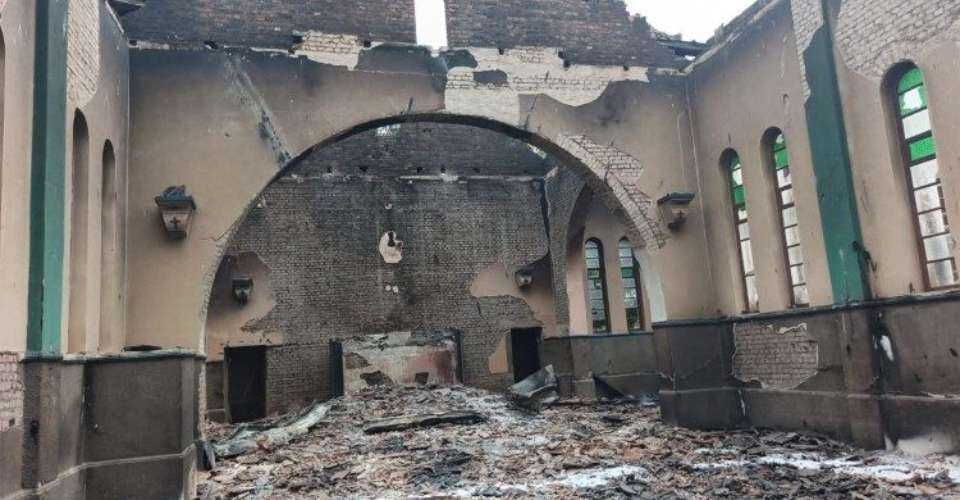
New reports confirm the brutal destruction of the St. Louis de Montfort Church in Meza, northern Mozambique, as Islamic State-linked extremists launched a devastating assault on April 30. The attack demolished the church, associated offices, and the residence of Piarist missionaries in the Cabo Delgado province, leaving the community reeling.
The extremist group, known as Islamic State-Mozambique, claimed responsibility for the strike on May 1, according to the conflict monitoring group Armed Conflict Location & Event Data (ACLED). This attack stands out as particularly violent and symbolic in a region where church targets remain rare, representing under 6% of all violent events, ACLED highlighted.
Historic parish reduced to rubble, civilians terrorized
Bishop António Juliasse Ferreira Sandramo of Pemba described the scene as one of terror, with homes and religious infrastructure “all destroyed,” and civilians forced to witness hateful speeches under duress. The church, founded in 1946, served as a vital spiritual hub for Catholics living in the predominantly Muslim area.
In addition to destroying the church and missionaries’ residence, extremists vandalized a church-run kindergarten, compounding the human toll and community disruption. Bishop Juliasse emphasized that while the missionaries themselves escaped unharmed, the impact on villagers is profound, leaving them shocked and displaced.
Pattern of violence escalates against Christian communities
The U.S. Commission on International Religious Freedom has documented a relentless campaign of violence by Islamic State-Mozambique targeting both Christians and Muslims since 2017. Over the past two years, the extremist group has increasingly focused attacks on Christian-majority zones in Cabo Delgado, including burning 18 churches across villages in the Chiúre district and beheading six Christians in Ancuabe.
This latest assault fits within a broader strategy to attract international attention through high-profile attacks on religious sites, ACLED warned. The Diocese of Pemba has seen repeated destruction of Catholic infrastructure, forcing entire parishes to flee their homes.
Global call for solidarity and resilience
Bishop Juliasse appealed for worldwide Catholic support and solidarity, stressing that although the physical buildings have been razed, the faith of the local community “will never burn” and remains strong despite nearly a decade of attacks. “For nine years, we have watched insurgents destroy churches in the Diocese of Pemba, but every day faith is rebuilt,” he said.
This tragic event underscores the rising threat posed by extremist groups in Mozambique’s northern region, a crisis that remains largely underreported internationally but demands urgent global attention and humanitarian response.
Why this matters to US and Alaska readers
The attack highlights the growing global footprint of Islamic State affiliates, illustrating the international challenges in combating religious extremism that also impact global security. For readers in Alaska and across the US, awareness of these brutal acts against religious freedoms worldwide underscores the ongoing fight for human rights and the protection of vulnerable communities everywhere.
As this situation develops, The Alaska Insider will continue monitoring the unfolding humanitarian and security implications linked to extremist campaigns impacting global religious sites.