NTPC Green Energy Limited (NGEL), a subsidiary of NTPC Limited, has officially opened the bidding process for a cutting-edge Hydrogen Refueling Station (HRS) at Kandla, Gujarat, marking a critical advancement in India’s effort to lead the global clean transport revolution. This tender, released on May 1, 2026, seeks qualified domestic contractors to build, operate, and maintain a turnkey hydrogen refueling facility designed to serve fuel cell electric vehicles (FCEVs) at unprecedented scale.
The project is a cornerstone of the Green Hydrogen Mobility Project, aiming to accelerate the shift away from fossil fuels and lower carbon emissions. NGEL has set rigorous requirements, targeting bidders with proven expertise in hydrogen refueling, energy EPC projects, or process industries worth ₹47 crore or more. Financial strength is also key, with a mandatory average annual turnover of ₹59 crore and net worth at least equal to paid-up capital.
The selected contractor will oversee end-to-end delivery—from design and engineering to equipment supply, construction, and final commissioning. Beyond startup, the company must guarantee reliable operation and maintenance (O&M) for 10 years, ensuring the station’s continuous performance.
Technical Specs Highlight Cutting-Edge Hydrogen Infrastructure
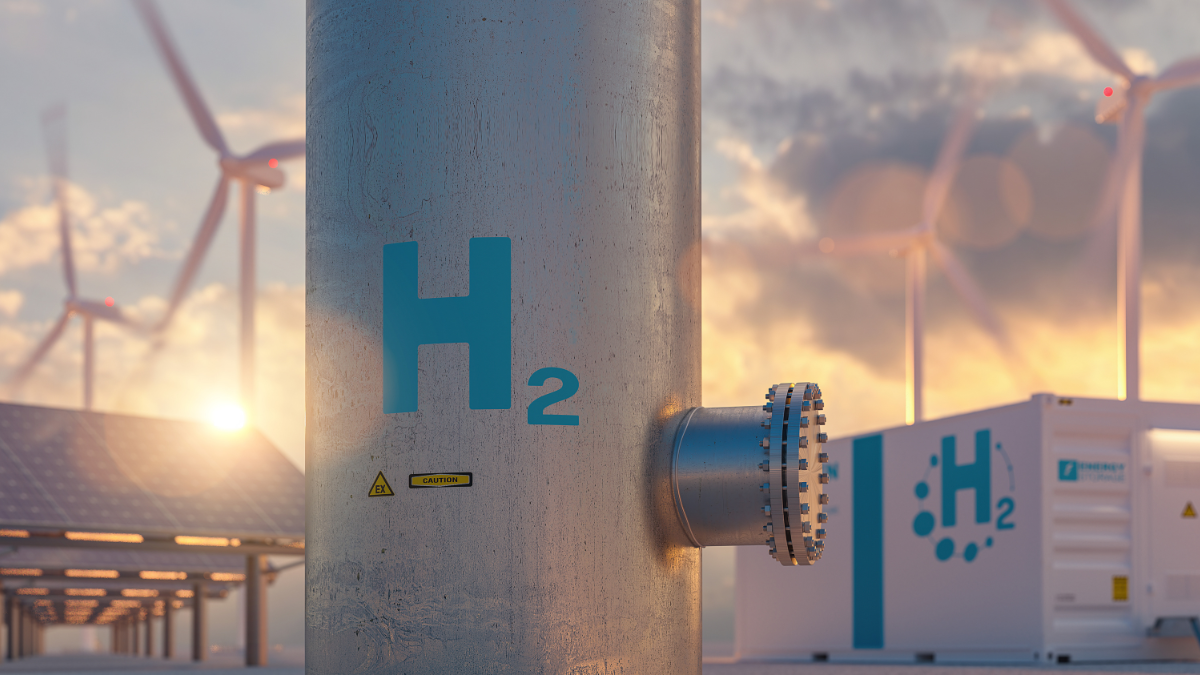
The refueling station will integrate a 210 kg per day hydrogen electrolyzer supplied by NGEL, producing green hydrogen on site. The hydrogen will be compressed via a robust 20 kg/hour system capable of 500 bar pressure. To ensure ample supply, storage will consist of cylinder cascades with a combined capacity of 540 kg of hydrogen at 500 bar. The dispensing system is engineered to fuel up to 11 FCEVs at 350 bar simultaneously, enabling fast and efficient refueling.
This facility also includes critical safety and control systems such as nitrogen generation for purging, fire suppression, and a centralized SCADA/EMS monitoring platform to oversee operations in real time. These layers underscore the commitment to safety and reliability at every stage.
Strict Bidding Timeline and Conditions for India’s Hydrogen Future
NGEL’s tender NGEL-CS-H2-GUJARAT-001(R) requires interested parties to submit queries by May 11, 2026, with final bids due no later than 3:00 PM IST on May 21, 2026. The techno-commercial evaluations will kick off on May 22 at 4:00 PM IST.
To secure credibility, bidders must submit a mandatory Earnest Money Deposit (EMD) of ₹1 crore; failure to provide this sum results in automatic rejection. Bids will follow a strict two-envelope system, separating technical compliance from financial proposals.
This ambitious project stands as a significant step not only for India but also for the global energy transition narrative that US and Alaskan energy stakeholders monitor closely. As hydrogen technologies gain momentum worldwide, developments such as NGEL’s hydrogen station highlight the rapid pace of infrastructure buildout critical for the future of zero-emission transportation.
Why This Matters to US and Alaska Readers
While based in India, this tender signals how fast-growing hydrogen ecosystems are setting benchmarks in sustainable fuel technology. Regions like Alaska, where clean energy and alternative fuel adoption are expanding amid climate and energy challenges, will watch these developments as models for scalable hydrogen refueling networks.
As the US government and private sectors push hydrogen and fuel cell innovations, detailed project frameworks like NGEL’s complete turnkey approach offer valuable blueprints. The inclusion of long-term O&M contracts reflects the crucial need for operational excellence—insight Alaska’s energy and transportation sectors can engage with as fuel cell vehicles begin to penetrate North American markets.
NTPC Green Energy’s tender process is open now, with stakes high and deadlines tight. This invites industry players worldwide to bid on a transformative green infrastructure project that blends cutting-edge technology with strategic climate goals.
Stay tuned with The Alaska Insider for timely updates on global hydrogen advances driving tomorrow’s clean energy transport trends across the US and beyond.