Assemblyman Jacobson Secures $30,000 Grant to Expand Garden-Based Education for Local Schools
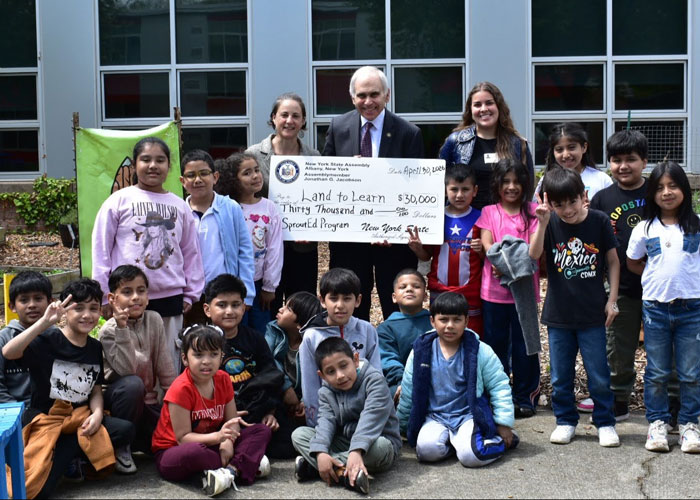
ALBANY — State Assemblyman Jonathan Jacobson has just secured a $30,000 grant to support the expansion of the Land to Learn’s SproutEd program, injecting critical funding into a hands-on, garden-based education initiative serving public elementary schools in Kingston, Newburgh, and Beacon.
This funding boost comes at a pivotal moment as SproutEd ramps up efforts to bring interactive gardening, nutrition, and environmental science lessons to K-3rd grade students, sparking a deeper connection between children and the food they eat.
Hands-On Learning Comes Alive With Garden Classrooms
SproutEd’s curriculum involves planting and harvesting school food gardens, with monthly lessons emphasizing nutrition, cooking, plant biology, and environmental stewardship. Students actively participate in growing their food, preparing healthy snacks, and learning about wellness — experiences proven to foster healthier lifestyles and environmental awareness at a young age.
Jacobson highlighted the program’s impact:
“This grant empowers our children to learn by doing, connecting them with nature and healthy food choices that resonate beyond the classroom,”
reinforcing the urgent need for educational programs that blend science with real-world skills.
Strengthening Community Wellness and Nutrition
Beyond classroom lessons, the SproutEd program supports school-wide wellness initiatives, including efforts to increase fresh produce availability in school cafeterias. The integration of garden-grown food into meals reinforces the nutritional education students receive and models sustainable food practices.
The $30,000 grant secured by Jacobson will directly expand programming in multiple districts, ensuring that more young learners in these New York communities gain access to innovative, experiential education.
Why This Matters Now
With growing national concern over childhood nutrition and environmental education, programs like SproutEd provide actionable solutions that engage children in vital skills and knowledge. As federal and state education budgets fluctuate, securing dedicated funding to sustain and expand such programs signals strong political and community commitment.
For Alaska readers and across the U.S., Jacobson’s proactive effort exemplifies how targeted investment in early education can create healthier, more informed communities from the ground up—literally by planting seeds.
Looking Ahead
Jacobson and Land to Learn plan to implement the expanded SproutEd curriculum throughout the current school year, monitoring impact and seeking additional resources to broaden reach. Observers and school leaders will be watching closely to see how direct garden engagement continues to shape student health and environmental consciousness.
As climate education and local food initiatives grow nationwide, Alaska schools and districts may look to the SproutEd model for inspiration on incorporating similar garden-based learning into their classrooms.