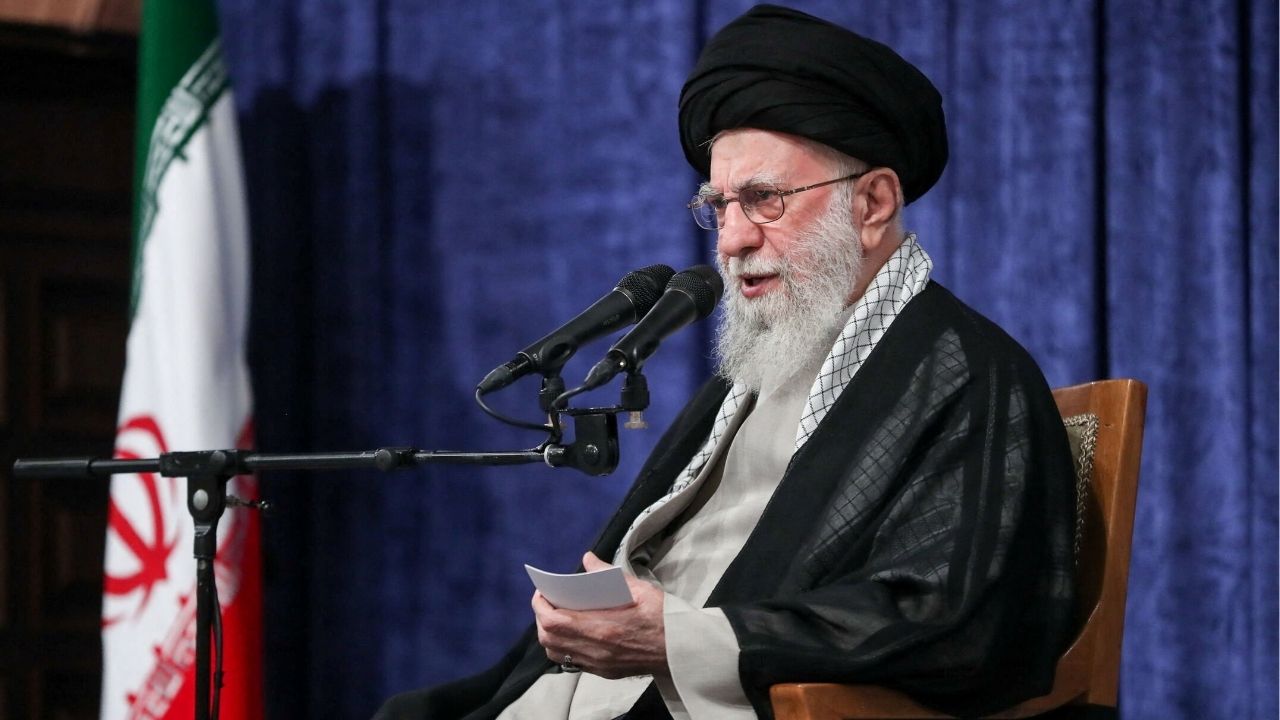
Iran’s Supreme Leader, Ayatollah Mojtaba Khamenei, has made a bold declaration, vowing to intensify military operations amid ongoing regional conflicts. In a statement released on September 28, 2023, Khamenei emphasized his commitment to continue fighting, promising increased pressure on Gulf Arab nations and hinting at the possibility of opening “other fronts” in the ongoing war.
The remarks come as tensions escalate in the Middle East, particularly affecting energy supplies crucial to global markets. Khamenei’s statements suggest a potential disruption of energy resources, which could have significant repercussions on oil prices and the stability of the region. This situation raises concerns among international energy analysts regarding the security of oil transport routes.
Khamenei’s firm stance, described as a new chapter in Iran’s approach to regional conflicts, aims to reinforce his leadership following his recent ascension to power. His comments signal a clear intent to challenge the influence of Gulf states, which have historically opposed Iran’s expansionist policies. The Supreme Leader’s rhetoric is likely to exacerbate existing tensions, particularly with nations such as Saudi Arabia and the United Arab Emirates.
In recent months, the ongoing war has already strained relationships between Iran and its neighbors. Analysts warn that Khamenei’s threats could lead to further military engagements, thus amplifying the risk of broader conflict. The potential for escalated hostilities directly impacts energy markets, with concerns that supply chain disruptions could lead to increased fuel prices globally.
Energy markets reacted swiftly to Khamenei’s declarations, with oil prices experiencing fluctuations in trading as investors braced for potential instability. The Brent crude benchmark saw a slight increase, reflecting market apprehension over the geopolitical situation. As Iran continues to assert its military presence in the region, the implications for energy security remain a critical concern for both producers and consumers worldwide.
In the wake of these developments, regional and global leaders are closely monitoring the situation. Diplomatic efforts have been initiated to de-escalate tensions, but Khamenei’s recent statements indicate a reluctance to compromise. The international community is urged to pay attention to Iran’s next moves as they could significantly influence the broader geopolitical landscape and energy supply chains.
This evolving situation underscores the fragile state of affairs in the Middle East and highlights the interconnectedness of regional conflicts and global energy markets. As the world watches, the actions taken by Iran and its neighbors will play a pivotal role in shaping future stability in the region.