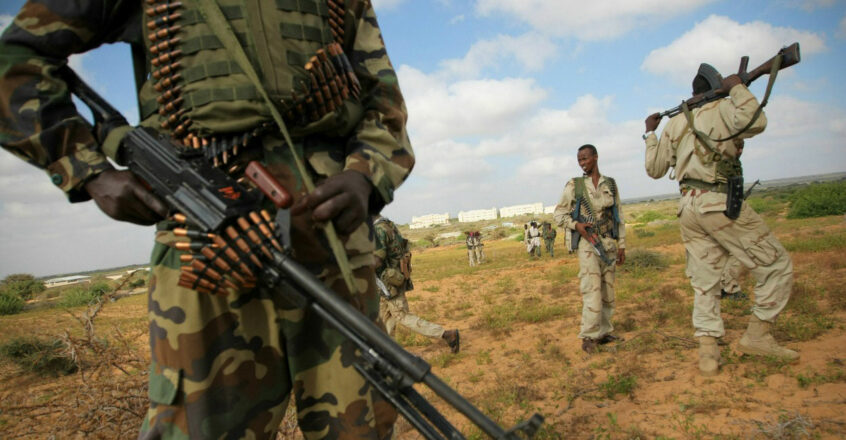
UPDATE: A critical shift is unfolding in Sudan as the United States grapples with a growing contradiction in its policy towards the nation’s military, now increasingly influenced by the Muslim Brotherhood. Recent developments underscore the urgent need for reevaluation as violence escalates between the Sudanese Armed Forces (SAF) and the Rapid Support Forces (RSF).
The SAF, led by General Abdel Fattah al-Burhan, is being scrutinized for its deepening ties with Islamist militants, raising alarms as humanitarian crises worsen. The U.S. has designated branches of the Muslim Brotherhood as terrorist organizations in other nations, creating a dissonance in how it engages with the SAF, which is increasingly seen as a proxy for these extremist ideologies.
The U.S. Treasury has already imposed sanctions on key figures within the SAF, including Ali Karti, a known Islamist leader, highlighting the military’s complicity in obstructing peace efforts. Reports of horrific human rights violations, including the systematic targeting of non-Arab ethnicities, have emerged, with the SAF allegedly using starvation as a weapon against civilians. In late 2025, CNN revealed shocking details of bodies being discarded in rivers, exacerbating the humanitarian crisis.
Thousands of Islamists from the former regime have reportedly joined forces with the SAF, complicating the landscape as international efforts to broker peace continue to falter. Reuters underscores the urgency of the situation, stating that the SAF’s alignment with the Brotherhood hinders any potential for a peaceful resolution.
Groups like the Civil Democratic Alliance for Revolutionary Forces (Somoud) are vocal in condemning the military’s actions, urging the international community to abandon support for the SAF, which they argue undermines democratic progress. Meanwhile, the Sudan Founding Alliance (Tasis) advocates for a secular, democratic future, calling for the dismantling of Islamist influence in governance.
As the international community faces mounting pressure to reassess its stance on the SAF, the implications are profound for Sudan’s future. The question remains: will continued engagement with leaders entrenched in Islamist ideologies further destabilize the region and thwart the push for democracy?
The military’s entrenchment with the Brotherhood poses an existential threat to Sudan’s diverse communities. Ethnic minorities, including the Fur, Nuba, and Zaghawa, are experiencing escalating violence and exclusion, highlighting the urgent need for humanitarian intervention and political reform.
This crisis necessitates swift action from international partners to support legitimate political forces and promote a transition towards democracy. The stakes are high as Sudan stands on the brink of further turmoil, with the potential for broader regional implications if the situation deteriorates.
Urgent action is required to address these contradictions and support the emergence of Sudan’s democratic political forces. The international community must confront the reality of an Islamist-influenced military and recalibrate its strategy to avoid further entrenching the very actors obstructing peace and reform.
As developments continue to unfold, observers worldwide must stay alert to the implications of these political dynamics. The future of Sudan hangs in the balance, and the time for decisive action is NOW.