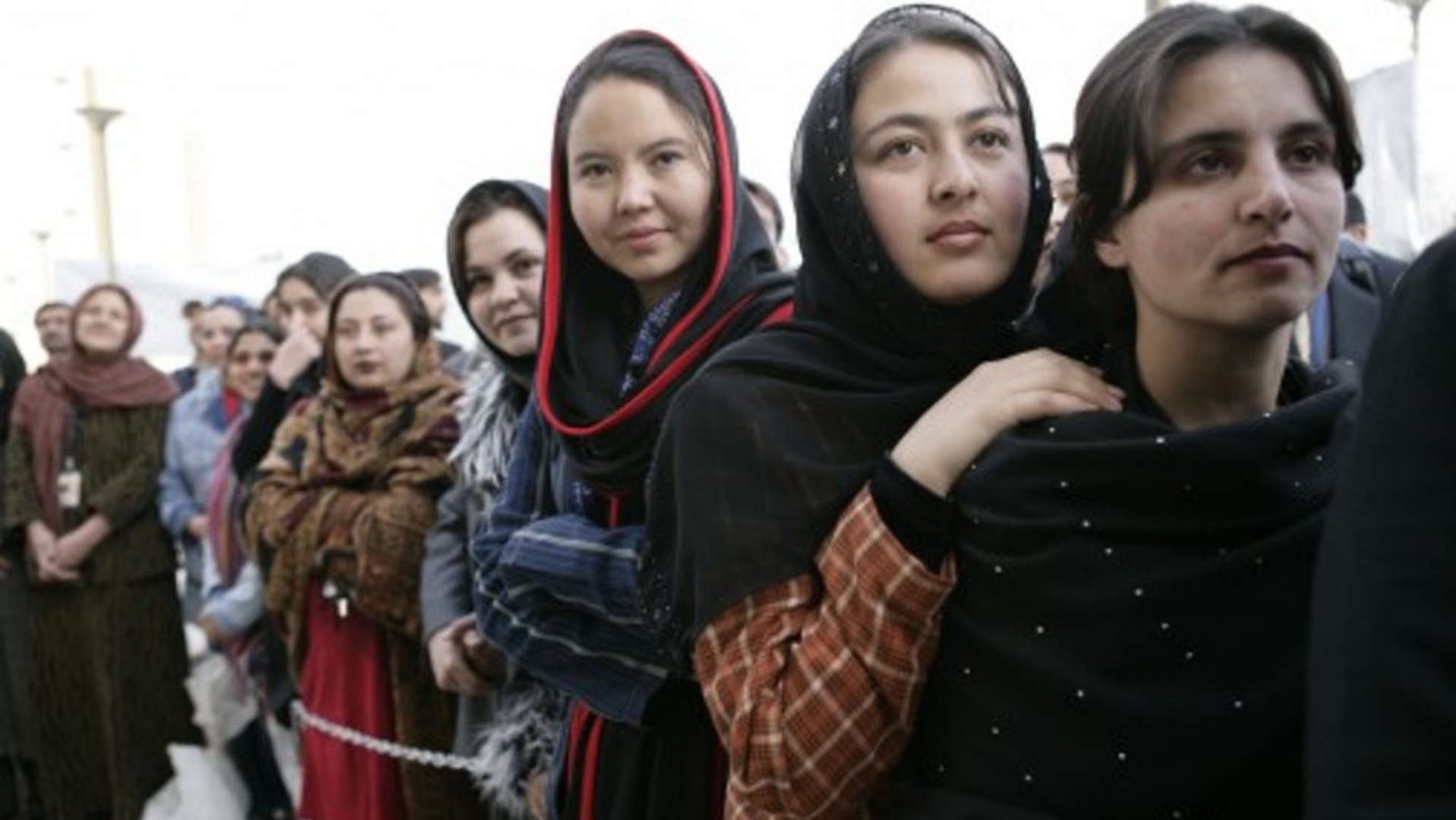
A recent report by the United Nations Special Rapporteur on the situation of human rights in Afghanistan, Richard Bennett, reveals alarming systemic barriers preventing Afghan women from accessing healthcare. Bennett’s findings indicate that the Taliban has enacted oppressive policies that restrict women’s rights to education, employment, and freedom of movement. The report suggests these restrictions could be classified as crimes against humanity.
Bennett emphasized the pervasive nature of these policies, stating, “These policies are not isolated measures – they form an institutionalized system of gender discrimination that denies women and girls autonomy over their own bodies, health, and futures.” This assertion reinforces concerns that the Taliban’s actions are not only discriminatory but also contribute to significant human rights violations against women.
The health system in Afghanistan was already precarious, weakened by decades of conflict, poverty, and inadequate investment. The current crisis, however, cannot be solely attributed to these historical factors. Bennett’s report is based on detailed discussions, including focus groups and individual interviews with 137 Afghans from 29 provinces. Additionally, it incorporates data from a survey involving 8,085 women across 33 provinces, conducted by the organization Bishnaw, which gathers insights from Afghan women.
Since the Taliban regained control in August 2021, numerous rights groups and international organizations have documented ongoing human rights abuses against women. On December 11, 2025, the Permanent People’s Tribunal for Women of Afghanistan in The Hague concluded that the Taliban has committed crimes against humanity based on their treatment of women.
Moreover, in January 2023, the Taliban government implemented a controversial policy allowing husbands to physically punish their wives and children, provided it does not result in broken bones or open wounds. This move has drawn widespread condemnation from human rights advocates.
In response to these developments, a coalition of Afghan and international civil society organizations plans to present a report on the amended penal code to the 61st Session of the UN Human Rights Council. This action aims to shed light on the legal and social challenges faced by women in Afghanistan under the current regime.
The findings of Bennett’s report not only highlight the immediate health implications for Afghan women but also raise critical questions about the broader human rights landscape in the country. With the Taliban’s policies continuing to evolve, the international community faces mounting pressure to respond effectively and uphold the rights of Afghan women and girls.