Rising tensions in the Middle East have led to a significant increase in oil prices, with the market reacting to recent military actions in the region. On October 10, 2023, strikes exchanged between Israel and Iran raised alarms about the potential for further escalation, particularly concerning the security of oil transport through the strategically vital Strait of Hormuz.
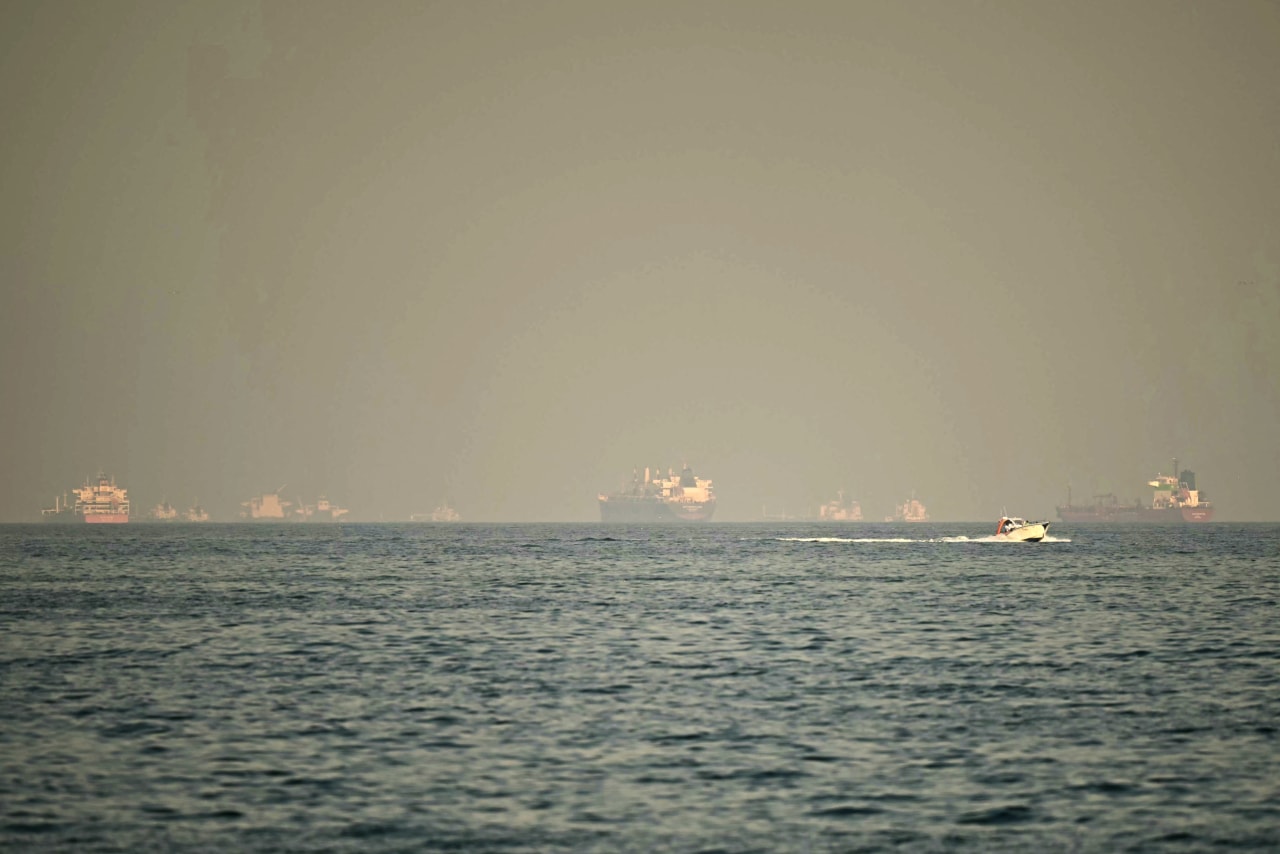
The Strait of Hormuz is a crucial passageway for global oil transportation, accounting for approximately 20% of the world’s oil supply. Analysts are particularly concerned that Iran may disrupt tanker operations in this area, which could have severe implications for supply and pricing. As a result, oil prices surged to their highest levels in nearly a year, reaching approximately $95 per barrel.
Market reactions highlight the sensitivity of oil prices to geopolitical events. According to data from OPEC, any disruption in this region could lead to significant price fluctuations, impacting global markets. The United States, which has been monitoring the situation closely, issued a statement reaffirming its commitment to ensuring the safe passage of vessels through the strait.
Market Impact and Future Outlook
In light of these developments, industry experts are closely watching the situation. The potential for further military action could result in a more volatile market. If Iran decides to take aggressive measures against oil tankers, prices could escalate even further, potentially exceeding $100 per barrel.
In addition to immediate pricing concerns, long-term implications for energy policy are also at stake. As countries grapple with energy security, the reliance on oil from the Gulf region may prompt a reevaluation of energy strategies. This situation could accelerate investments in alternative energy sources, as nations seek to diversify their energy portfolios.
The ripple effects of rising oil prices extend beyond the energy sector. Increased fuel costs can lead to higher prices for goods and services, potentially straining household budgets and impacting economic growth in various regions. Economists are warning that sustained high oil prices could hinder recovery efforts in post-pandemic economies.
Global Response and Strategic Considerations
In response to these tensions, several countries are reassessing their military and diplomatic strategies in the region. The United States has increased its naval presence in the Gulf of Oman, aiming to deter any potential threats to maritime traffic. The U.S. Navy has issued warnings to commercial vessels operating in the area, advising them to remain vigilant.
International diplomatic efforts are also underway to address the escalating situation. World leaders are emphasizing the need for dialogue to resolve tensions peacefully. The United Nations has called for restraint from all parties involved, highlighting the importance of maintaining stability in the Middle East for global security.
As the situation evolves, the international community remains on high alert. The interplay between military actions, energy markets, and diplomatic efforts will be pivotal in determining the future trajectory of oil prices and regional stability. The coming weeks will be critical in shaping both economic outcomes and geopolitical relations in this volatile region.