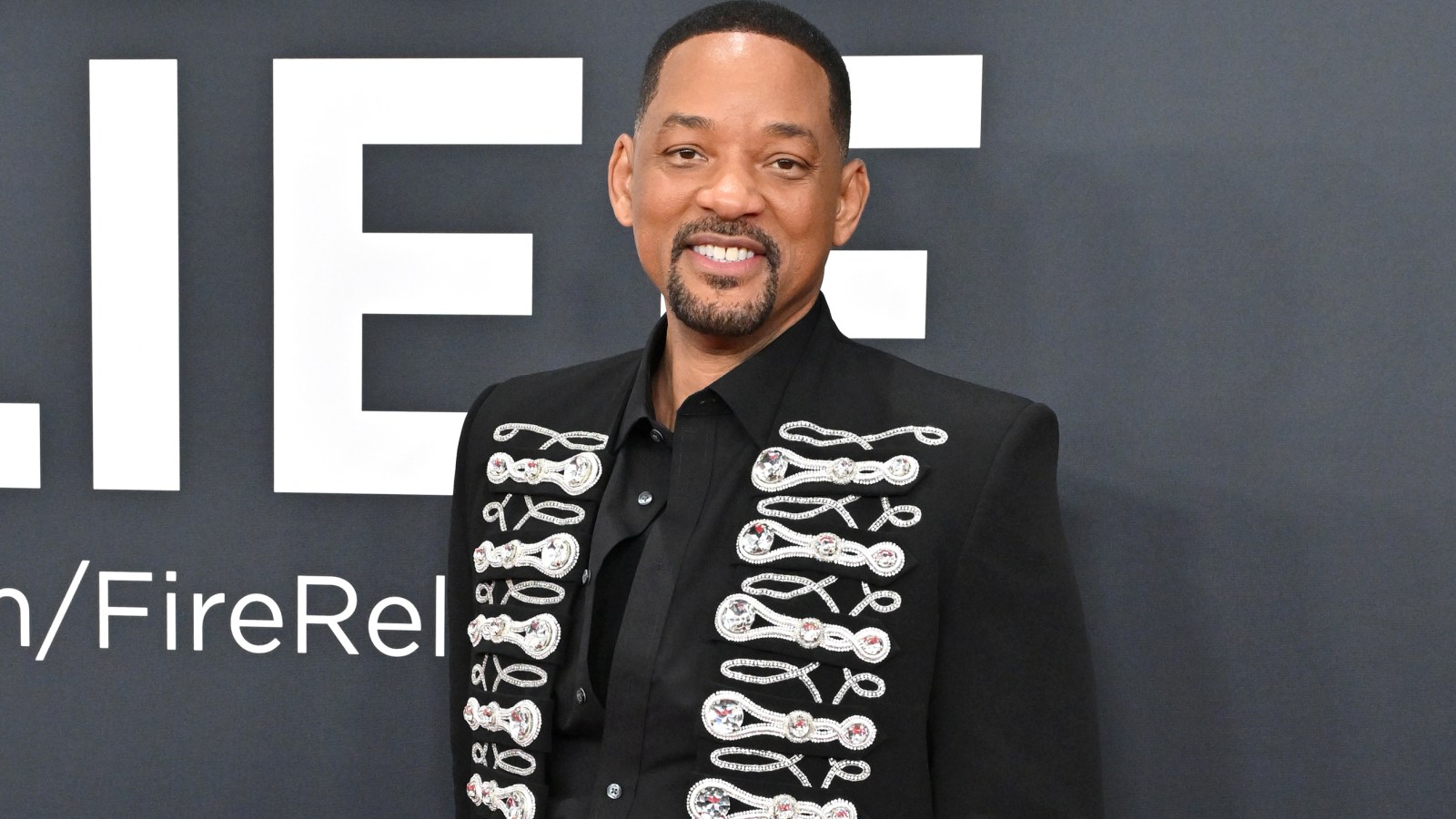
The Academy Awards, celebrated for recognizing outstanding achievements in film, have occasionally drawn criticism for honoring actors and filmmakers for the wrong projects. This phenomenon raises questions about how the Academy evaluates performances and contributions within the context of a competitive landscape. Here are notable instances where individuals received Oscars for works that, while commendable, were not seen as their most deserving.
Kevin Costner: A Legacy Win for ‘Dances With Wolves’
Kevin Costner’s direction in the Western epic Dances With Wolves earned him both Best Directing and Best Picture at the 1991 Academy Awards. While the film, which won seven Oscars in total, is celebrated within the Western genre, it faced fierce competition from Martin Scorsese’s Goodfellas. Many critics argue that Costner’s achievements were overshadowed by Scorsese’s masterpiece, which is often regarded as one of the greatest films of all time.
Ennio Morricone’s Oscar for ‘The Hateful Eight’
Renowned Italian composer Ennio Morricone received an Oscar for Best Original Score for his work on The Hateful Eight in 2016. While this win recognized his remarkable career, many feel that it served more as a legacy award than a reflection of the film’s score, which, despite its brilliance, does not stand out among Morricone’s earlier compositions. His earlier work, like the scores for The Good, The Bad and The Ugly, arguably deserved an Oscar win more than this particular project.
Mahershala Ali and the Controversy of ‘Green Book’
In 2018, Mahershala Ali won the Oscar for Best Supporting Actor for his role in Green Book. While Ali’s performance was commendable, the film itself has faced significant criticism regarding its portrayal of race relations. Furthermore, Ali’s role has been described as a leading one, raising questions about the categorization of his performance in the supporting category. Many believe that his victory should have come from a more nuanced script, with strong contenders like Sam Elliott in A Star Is Born and Richard E. Grant in Can You Ever Forgive Me? also in the running.
Guillermo del Toro’s ‘The Shape of Water’
Guillermo del Toro’s The Shape of Water won the Oscars for Best Directing and Best Picture in 2018, yet this win sparked debate over its merit compared to other films from the year. Critics pointed to Get Out as a more deserving contender, arguing that del Toro’s earlier work, particularly Pan’s Labyrinth, represented a higher artistic achievement that was overlooked during awards season.
Rami Malek’s Polarizing Role in ‘Bohemian Rhapsody’
Rami Malek took home the Oscar for Best Actor for his portrayal of Freddie Mercury in Bohemian Rhapsody. Despite his talent, many viewers felt his performance veered into caricature rather than a true representation of Mercury. The win has since been labeled one of the more controversial decisions in recent Oscar history, with critics suggesting that Malek’s performance did not warrant the accolade when compared to his body of work.
Danny Boyle’s Direction in ‘Slumdog Millionaire’
Danny Boyle’s Slumdog Millionaire secured eight Oscars, including Best Directing, in 2009. However, the film faced criticism for its portrayal of poverty and its Western perspective on an Indian story. Some argue that Boyle’s direction, while competent, did not warrant such high recognition, given the competitive field of that year.
Al Pacino’s Infamous Win for ‘Scent of a Woman’
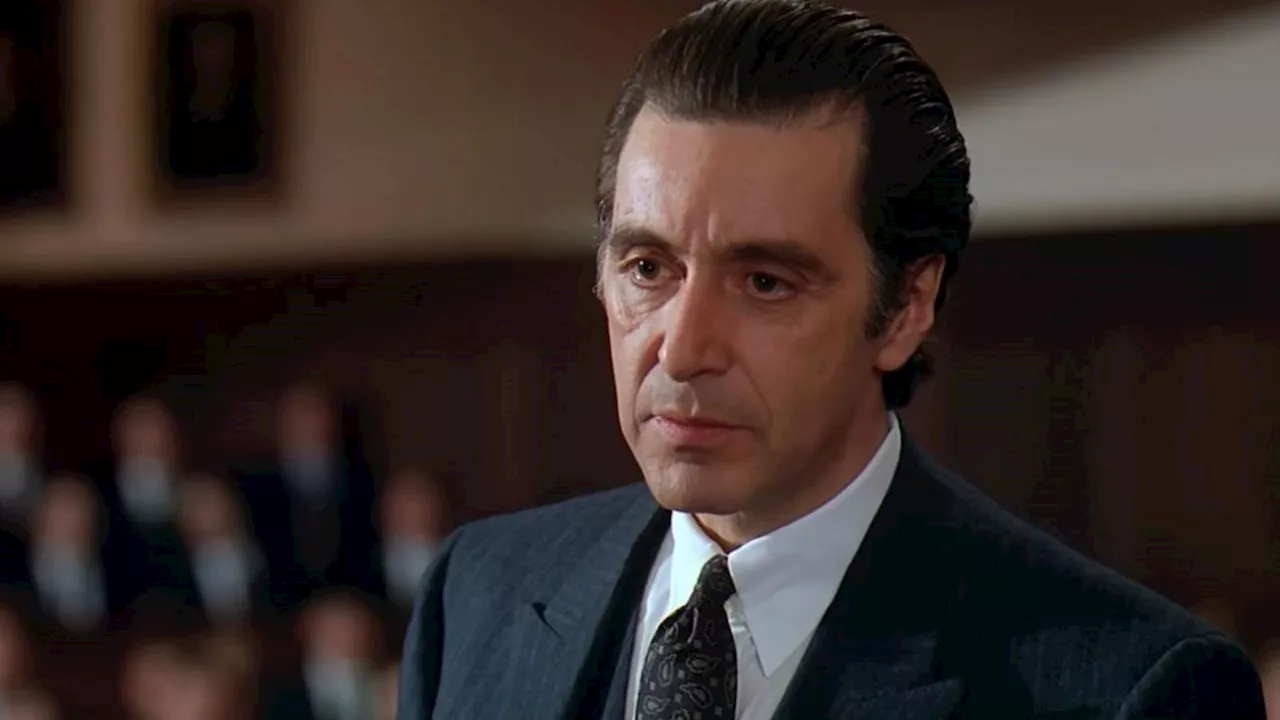
Al Pacino’s Oscar win for Best Actor in Scent of a Woman in 1993 has become infamous due to the prevailing belief that it was a career award rather than a recognition of the film’s merits. Many contend that Denzel Washington’s portrayal in Malcolm X was far superior, making Pacino’s win one of the most controversial in Oscar history.
Jamie Lee Curtis and the Surprise Win for ‘Everything Everywhere All At Once’
In 2023, Jamie Lee Curtis won the Oscar for Best Supporting Actress for her role in Everything Everywhere All At Once. Despite her longstanding career, many observers felt that Curtis’s performance, while humorous and engaging, did not stand out against stronger contenders in the category, such as Stephanie Hsu. Curtis’s win is viewed as another example of the Academy favoring legacy wins over current performances.
The Academy’s choices reflect a complex interplay of artistry and recognition. While many winners have undeniably made significant contributions to cinema, the context of their awards often raises questions about the criteria for recognition. As the film industry continues to evolve, these discussions around Oscar wins will likely persist.