Fans and friends of actor James Van Der Beek have rallied together to support his family following his death from colorectal cancer on February 11, 2023. A GoFundMe campaign launched to assist his widow and six children has successfully raised over $2.6 million. This remarkable outpouring of financial support reflects the deep affection and respect the Hollywood community holds for the star of the iconic series Dawson’s Creek.
The campaign has attracted notable contributions from several high-profile figures. Steven Spielberg donated $25,000, while Zoe Saldaña pledged $2,500 each month. Others such as director Jon M. Chu and producer Lyn Lear also made significant donations, with the latter contributing $5,000. The collective generosity has sparked a national conversation about the financial realities faced by even well-known actors during and after a serious illness.
Some critics have questioned why a prominent figure like Van Der Beek would need assistance from a crowdfunding platform. Online comments have raised concerns about the family’s financial situation, suggesting that a successful actor would have sufficient resources or life insurance. One user expressed skepticism, stating, “This doesn’t sit right with me. Thousands of people face this situation every day and don’t receive $2.5 million.”
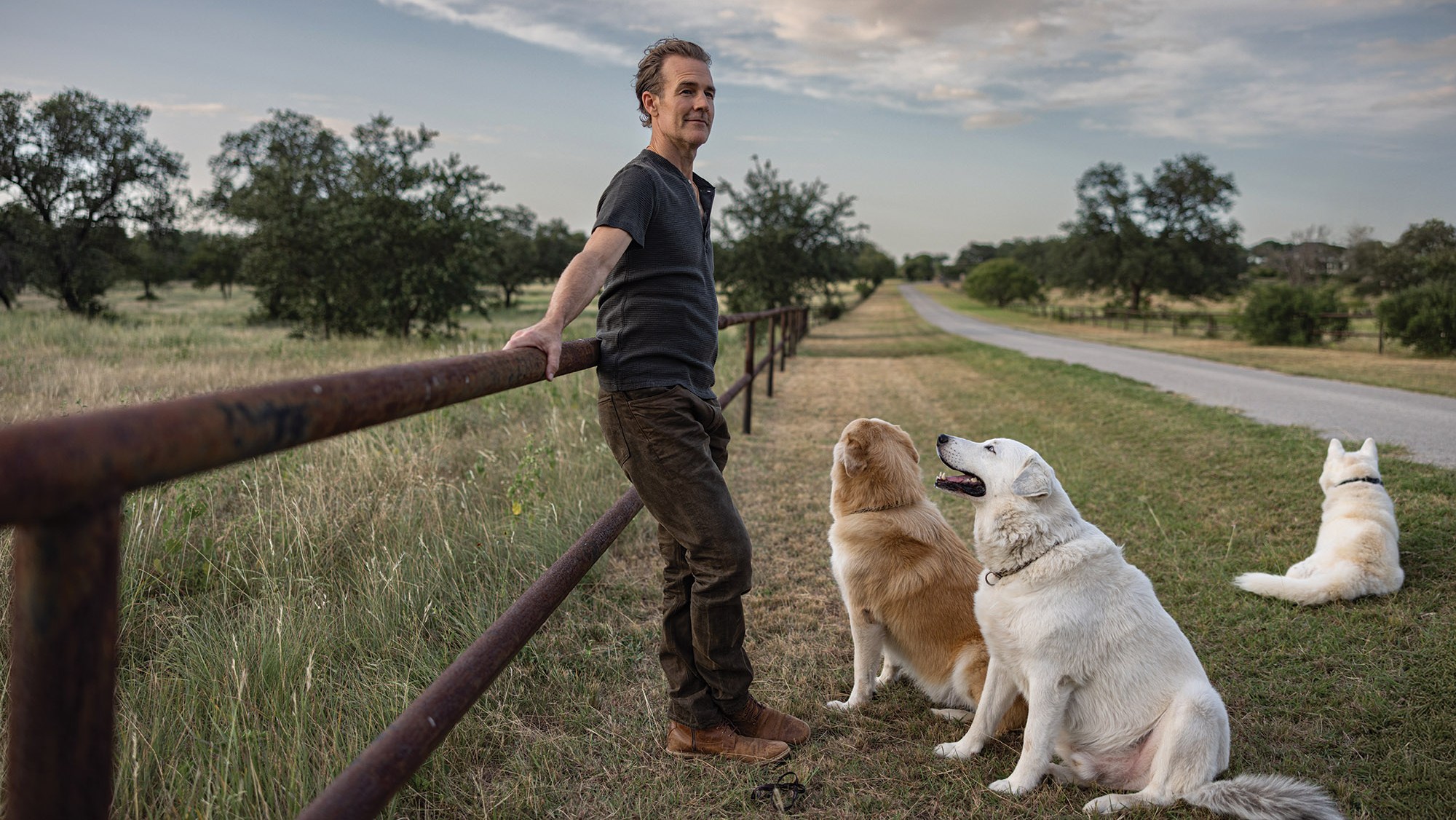
Despite his fame, Van Der Beek was not a billionaire celebrity. Reports indicate he lived a modest lifestyle compared to many of his peers. He rented a 36-acre ranch in Austin, Texas, where he spent time with his family and pets, avoiding the extravagances typical of the Hollywood elite. His financial struggles were compounded by the exorbitant costs associated with his cancer treatment, which included alternative therapies that are often not covered by insurance.
The actor’s experience on Dawson’s Creek did not result in the financial windfall that many assume comes with a leading role on a successful television series. Although he gained fame as Dawson Leery, industry insiders suggest that his initial contracts were modest. Estimates place his earnings during the show’s later seasons around $200,000 per episode, but residual income was minimal due to unfavorable contract terms. “There was no residual money,” Van Der Beek stated in a 2014 interview, highlighting the financial pitfalls many actors face.
Even after Dawson’s Creek, Van Der Beek continued to work, appearing in various projects, but he did not achieve the same level of financial success as some contemporaries. His appearances on shows like Don’t Trust the B—- in Apartment 23 and CSI: Cyber kept him in the public eye, yet none of these roles provided a substantial financial cushion.
His recent ventures, including a role on Disney Junior’s Vampirina, were profitable, with estimates suggesting he could have earned upwards of $500,000 for the series. Nonetheless, raising six children in a sizeable home is costly, and financial pressures mounted as his health deteriorated.
The speculation about his finances intensified when rumors spread that he had purchased the ranch for $4.8 million. Representatives clarified that Van Der Beek secured a down payment through a trust with assistance from friends, allowing the family to transition from renting to owning. This clarification did little to quell the criticism surrounding the GoFundMe campaign, prompting his friend Mehcad Brooks to defend the family, stating, “You have no idea the pain they went through.”
While Van Der Beek’s earnings were above the threshold for SAG-AFTRA health insurance eligibility, which is $28,090, not all treatments he pursued would have been covered. He explored both traditional and alternative medicine, the latter often incurring steep out-of-pocket expenses. Some holistic treatment options can cost between $15,000 and $65,000 per stay, placing a significant financial burden on his family.
Through his battle with cancer, Van Der Beek maintained an inspiring outlook, sharing his experiences publicly. He believed that his diagnosis could lead to positive changes in his life and encouraged others to appreciate their health. In a poignant interview, he stated, “I had this little voice in my head that said, ‘You’re going to make changes in your life that you would never, ever make if you didn’t have this extreme of a diagnosis.’”
Despite his optimism, the reality of his health challenges proved overwhelming, and he ultimately succumbed to the illness. While the GoFundMe campaign has raised significant funds, the true measure of Van Der Beek’s impact lies in the community’s response and the connections he forged throughout his life.
As the campaign continues, many are reminded of the importance of supporting families facing similar struggles. The financial contributions symbolize more than just monetary value; they reflect a collective commitment to honoring Van Der Beek’s legacy and assisting those he loved in their time of need.