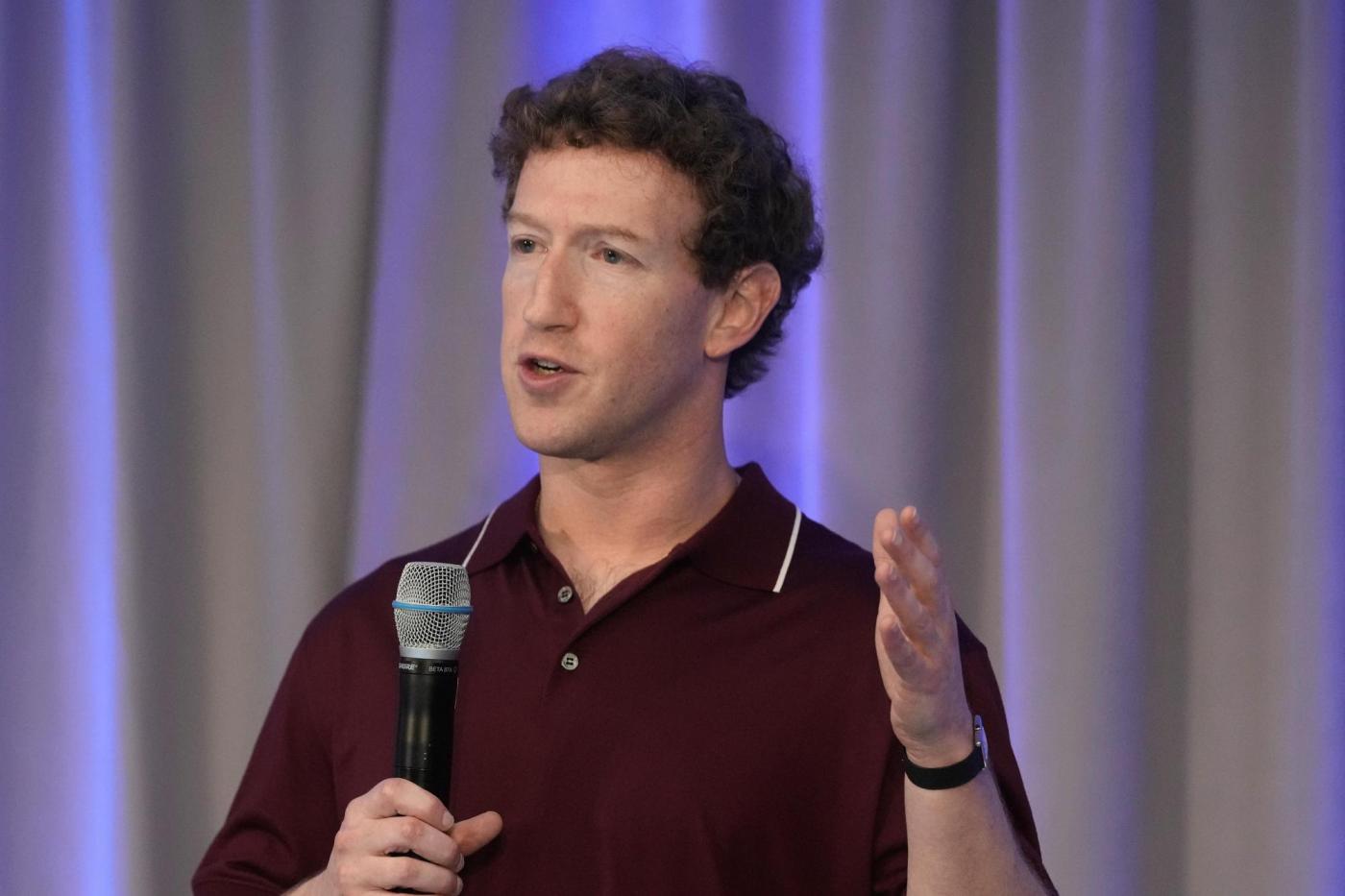
Meta CEO Mark Zuckerberg is set to testify on January 17, 2024, in a significant trial concerning allegations of social media addiction. The case, taking place in Los Angeles, involves a now 20-year-old woman identified as “Kaley” and her mother, who claim that both Meta and YouTube designed algorithms that have adversely affected Kaley’s mental health since she began using their platforms as a child.
The plaintiffs argue that these algorithms contributed to Kaley’s depression and self-harm. Mark Lanier, the attorney representing the family, stated, “These features are ones that are specifically designed to get into a pre-teen or teen brain and give dopamine hits in such a way that they become as addictive as cigarettes, as opiates, as any addiction may be.” This assertion highlights the growing concern about the impact of social media on young users.
In response to these serious allegations, a spokesperson for Meta expressed strong disagreement, asserting that the company is “confident the evidence will show our longstanding commitment to supporting young people.” This trial marks a pivotal moment, as it is the first time Zuckerberg must address youth safety allegations before a jury. A ruling in favor of Kaley could set a precedent for holding social media companies accountable for the design choices they make.
Zuckerberg’s testimony follows a previous Senate hearing in which he faced grieving families who attributed their children’s deaths to social media. During that session, Senator Josh Hawley of Missouri pressed Zuckerberg on whether he had apologized to the victims’ families, to which Zuckerberg responded, “No one should have to go through the things that your families have suffered.” He emphasized Meta’s commitment to investing in safety measures to prevent such tragedies.
Lanier has called for significant changes to social media platforms. He insists that companies need to implement better age-gating mechanisms to protect children from harmful content. He stated, “They ought to do better age-gating. They need to do better channeling out those children who are too young to use the app effectively.” This highlights the ongoing debate about the responsibility of social media companies in safeguarding young users.
The trial will also see testimony from Adam Mosseri, CEO of Instagram, who has previously stated that he does not believe social media can be clinically addictive, although he admitted that its use can become problematic. Notably, TikTok and Snapchat have already settled with the plaintiff, indicating a shift in how social media companies are responding to legal challenges regarding their platforms.
As this landmark trial unfolds, the implications for social media regulation and accountability are profound. The outcome may influence how social media platforms operate and their responsibilities towards younger audiences, potentially reshaping the landscape of digital engagement for future generations.