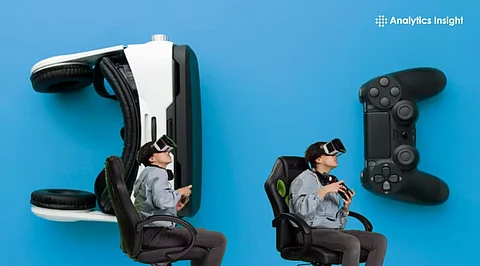
The gaming industry has undergone a remarkable transformation, evolving from simple pixelated arcade games to sophisticated virtual reality (VR) experiences. As technology advances, the sector is projected to reach a staggering $564 billion in global revenue, reflecting its growing importance within entertainment and social interaction. This evolution has been driven by innovations in artificial intelligence, cloud technology, and worldwide connectivity.
The journey of gaming began in the 1970s with arcade titles like Pong, which captivated audiences and marked the start of digital entertainment. Players would insert coins to experience these early games, setting the stage for a rapidly expanding industry. The introduction of home consoles, such as the Nintendo Entertainment System, revolutionized gaming by allowing players to build personal game collections.
From Pixels to 3D Worlds
The gaming landscape changed dramatically in the late 1980s with the rise of cartridge-based systems. Despite the challenges following the video game crash of 1983, the Nintendo Entertainment System emerged, establishing quality standards and introducing iconic franchises that continue to thrive today.
As technology advanced into the late 1990s and early 2000s, the gaming industry embraced 3D graphics, allowing developers to create more realistic environments. Consoles like the PlayStation 2 and Xbox 360 dominated the market, offering cinematic storytelling and expansive game worlds. The launch of World of Warcraft in 2004 showcased the power of online gaming, enabling millions of players to connect across vast virtual landscapes. This era also marked the inception of professional gaming leagues and esports competitions.
Mobile gaming began to flourish during this period as high-end smartphones made gaming accessible to a broader audience. Casual games reached new heights, providing entertainment on the go and further integrating gaming into everyday life. These developments paved the way for a new wave of interactive experiences that appealed to people of all ages.
The Rise of Virtual and Augmented Reality
The next major leap in gaming arrived with the introduction of virtual reality (VR) and augmented reality (AR). Devices like the Oculus Quest and PlayStation VR allow players to immerse themselves in digital worlds, offering unparalleled interaction through full 360-degree gameplay. These technologies have shifted the focus from merely visual perfection to creating experiences that feel authentic and engaging.
AR technology, exemplified by the success of Pokémon Go, has further blurred the lines between the digital and physical worlds, as players interact with both in innovative ways. As VR and AR continue to evolve, they promise to redefine the gaming experience, moving toward a more interactive and participatory model.
The incorporation of artificial intelligence is also reshaping the future of gaming. AI enhances non-player character (NPC) behavior, enables adaptive storytelling, and supports procedural world-building, creating more dynamic and responsive gameplay. As these technologies advance, players can expect more personalized gaming experiences tailored to their choices and actions.
Cloud gaming represents another significant breakthrough, allowing high-quality games to be streamed directly to smartphones and low-end devices. This development eliminates hardware limitations and opens up premium gaming experiences to a global audience, making it more accessible than ever before.
The concept of the metaverse extends beyond gaming, creating permanent virtual spaces for players to interact, exchange goods, and participate in various activities. This convergence of digital experiences is set to establish a comprehensive lifestyle platform that integrates social media, online commerce, and entertainment.
As gaming continues to evolve, the industry reflects a complex, multi-billion-dollar ecosystem that influences daily life. The transition from simple arcade experiences to advanced AI-driven virtual worlds illustrates the remarkable journey of gaming, which is now an integral part of modern culture and social interaction.
In summary, gaming has transformed dramatically over the decades. The advancements in technology, coupled with changing consumer preferences, have created a rich tapestry of interactive entertainment. With ongoing innovations in AI, cloud computing, and immersive technologies, the future of gaming promises experiences that will redefine engagement and connection for players worldwide.