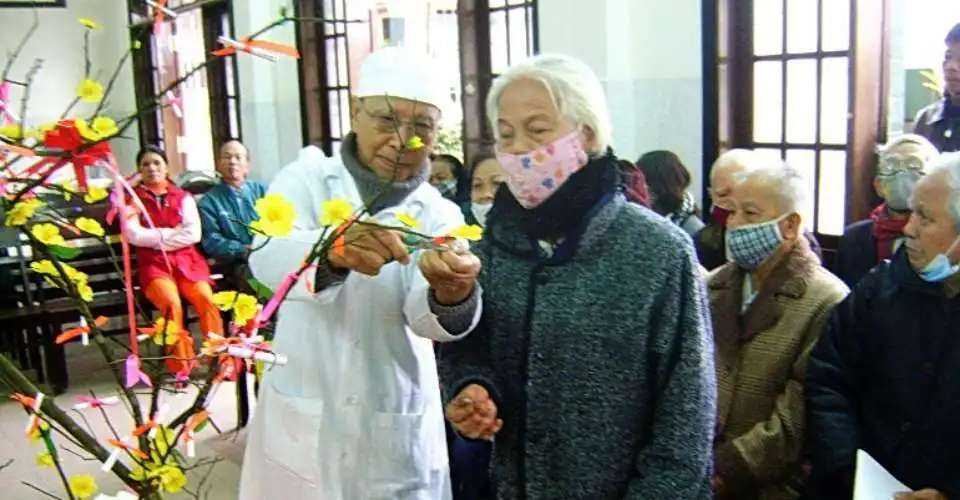
Lunar New Year, known as Tet, stands as Vietnam’s most significant holiday, transcending mere celebration to become a vital social institution. This year, Tet is again a moment of reflection for families, allowing them to reconnect with their roots. For over four centuries, Vietnamese Catholicism has uniquely engaged with Tet, evolving a distinctive cultural practice that harmonizes its religious tenets with local customs.
Historical Context: Addressing Cultural Tensions
The relationship between Catholicism and Vietnamese culture has historically been fraught with tension, especially regarding ancestor veneration—a core aspect of Tet rituals. Early European missionaries misinterpreted these practices as incompatible with Christianity, similar to misunderstandings faced in other East Asian nations such as China and Japan.
By the twentieth century, the Catholic Church in Vietnam began reassessing these practices through a cultural lens rather than strictly theological. The acknowledgment of ancestor remembrance as an ethical expression of filial piety has allowed for a more profound engagement with Tet, enabling Catholicism to occupy a meaningful space within Vietnam’s rich cultural tapestry without compromising its identity.
Tet as a Family-Centric Celebration
Within Catholic households, Tet is predominantly a family event. Homes are meticulously cleaned and adorned, with the preparation of traditional bánh chưng (sticky rice cakes) and the display of apricot or peach blossoms echoing practices in non-Catholic homes. Ancestral altars, often placed beneath crucifixes and saint statues, signify a balance between honoring family traditions and maintaining religious beliefs.
This blending of traditions reflects a broader truth: Catholicism in Vietnam does not dismantle the concept of family but integrates itself within it. The shared moral emphasis on honoring parents, preserving family ties, and acknowledging intergenerational continuity resonates with both Vietnamese cultural values and Christian ethics, making Tet a natural convergence point.
During the Lunar New Year, the integration of Tet into Catholic liturgy becomes particularly noticeable. According to guidelines from the Vietnam Bishops’ Conference, Masses celebrated during the first three days of the lunar calendar focus on prayers for peace, remembrance of ancestors, and blessings for daily life. Church environments are transformed with floral arrangements and traditional decorations, creating an atmosphere that embodies the spirit of Tet without reducing the liturgy to folklore.
Sermons during this period typically prioritize themes of reconciliation, gratitude, and familial responsibility, aligning closely with the social dynamics of Vietnamese life at the turn of the year.
Reinterpreting Luck and Spiritual Guidance
A popular tradition among Catholics is drawing Scripture verses at the beginning of the year. Parishioners select biblical passages displayed on branches of apricot or peach blossoms within churches, serving as spiritual guidance for the year ahead. This practice mirrors the Vietnamese tradition of seeking New Year blessings, reframing the concept of “luck” as grace—the ability to live with integrity and compassion.
By embracing these popular spiritual inclinations, Catholicism channels them toward ethical introspection, fostering a commitment to moral living.
While Christmas often showcases the vibrancy of Catholic life in Vietnam through public displays, Tet signifies a different presence—one that enters the cultural interior of Vietnamese life. Tien Nam, a 55-year-old non-Catholic mass-mobilization officer from Ninh Binh province, notes, “I am not Catholic, but I really like the way Catholic churches are decorated during Lunar New Year — they are just as beautiful as at Christmas.”
His observations highlight how Catholic communities often present a more organized and culturally resonant interpretation of Tet, appealing beyond their faith.
Addressing Contemporary Pressures and Promoting Charity
In modern Vietnam, Tet is frequently accompanied by social pressures, including financial expectations and family obligations. Among younger generations of Catholics, enthusiasm for elaborate customs may wane, yet many find solace in the community-focused celebrations within parish environments, emphasizing reflection over ostentation.
Some priests have remarked that Tet Masses attract worshippers who seldom attend church throughout the year. “For many people,” one priest shared, “Tet is not about asking for something new, but about correcting what went wrong in the year that has passed.” This perspective frames Tet as a time for moral recalibration rather than mere achievement.
Additionally, Tet serves as a period for charitable endeavors. Many parishes engage in initiatives that provide food, gifts, and essential supplies to disadvantaged families, regardless of their religious affiliation. These acts resonate with Christian principles of charity and the Vietnamese tradition of mutual support, enhancing the Church’s grassroots social presence.
The integration of Catholicism into Vietnam’s Lunar New Year is a nuanced process that reflects a unique pattern of adaptation. This relationship neither rejects Tet nor dilutes religious identity. Instead, Vietnamese Catholicism reorients traditional customs towards ethical and spiritual significance. In a world increasingly grappling with identity, tradition, and belief, Vietnam’s experience offers a subtle yet powerful example of coexistence. As Tet continues to unfold, it becomes more than a cyclical celebration; it transforms into a space where faith and culture negotiate a shared future—quietly, pragmatically, and with lasting resonance.