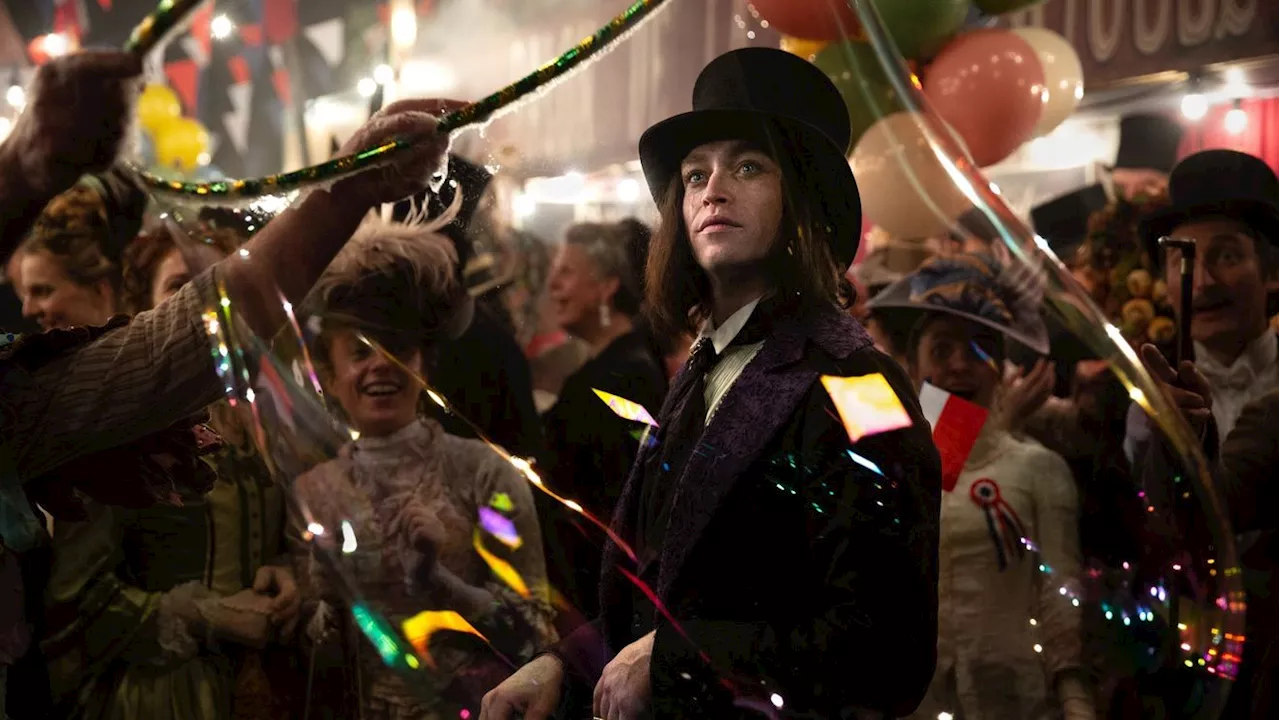
UPDATE: The highly anticipated film “Dracula,” directed by Luc Besson, has just premiered, and it’s sparking intense debate among audiences and critics alike. This adaptation, based on Bram Stoker’s 1897 novel, emphasizes romance over horror, showcasing a *vampire’s* desperate quest for love rather than mere terror.
Set in the mid-15th century, the film portrays Vlad the Impaler as a heartbroken lover who becomes immortal after the tragic death of his wife, Elisabeta. The narrative unfolds as Vlad renounces God, leading him to seek out his soulmate’s reincarnation over the centuries. This romantic twist significantly diverges from traditional vampire lore, placing the emotional stakes at the forefront.
Critics are noting the film’s stylistic similarities to Francis Ford Coppola’s adaptation, particularly in its visual portrayal of Dracula, played by Caleb Landry Jones. Besson draws inspiration from the iconic 1992 film, replicating elements such as costume design and character traits. However, the director introduces a unique twist by replacing Dracula’s mind control powers with a *captivating perfume*, designed to attract women, including his reincarnated love, Mina, played by a yet-unnamed actress.
The film’s narrative takes a sharp turn as Dracula travels to Paris in search of Mina, disregarding key elements from the original story, such as the need for his coffin and Transylvanian soil. In a dramatic and somewhat controversial move, he unleashes chaos upon the city, making a spectacle of his vampiric prowess.
Adding another layer to the story, Christoph Waltz plays a priest who serves as a vampire hunter, guiding the audience through the historical context of Dracula’s existence. Critics suggest that while the film struggles with some low-quality CGI and uneven pacing, Jones’ portrayal of Dracula adds depth, highlighting a relatable quest for love rather than a thirst for blood.
Despite its flaws, the film is drawing attention for its bold reimagining of a classic tale. It raises questions about love, loss, and the lengths one will go to reclaim a lost partner. The film is currently facing mixed reviews, with some applauding its fresh take while others criticize its departure from the Gothic horror roots of Stoker’s original work.
As “Dracula” continues to screen across theaters, audiences are left pondering the implications of this romanticized vampire narrative. The film is set to spark discussions on social media, with many eager to share their thoughts on this unexpected adaptation.
Stay tuned for more updates as “Dracula” captivates viewers and reignites conversations around this legendary character.