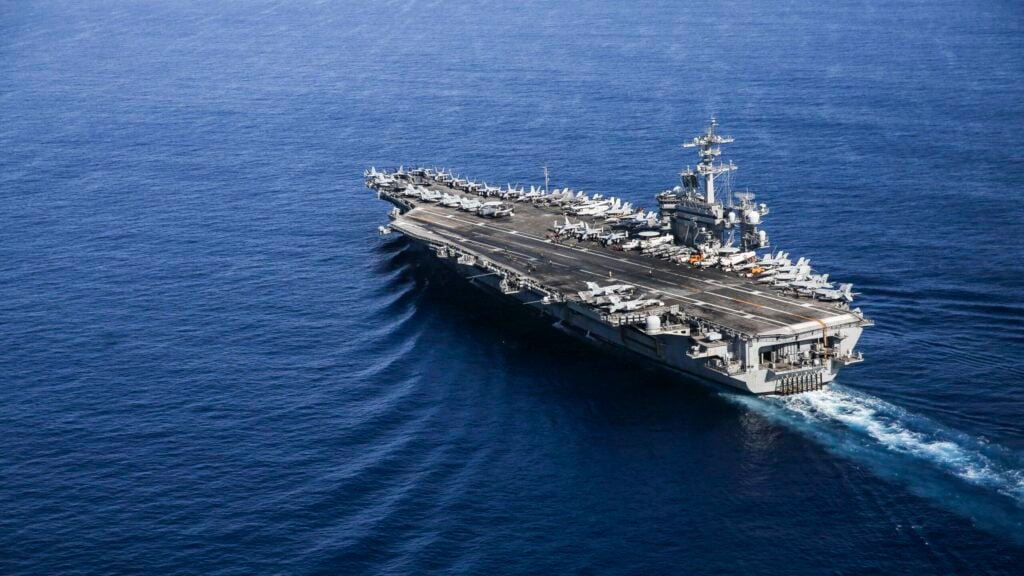
The United States Navy is evolving its operational strategies with a new approach focused on integrating tailored unmanned forces to enhance the capabilities of aircraft carriers. This shift aims to support the ongoing development of carrier strike groups, as highlighted by Admiral Daryl Caudle, who expressed enthusiasm for what he described as a “conveyor belt” for generating carrier strike groups.
In addressing the complexities of maritime warfare, Adm. Caudle emphasized the necessity of including a broader range of capabilities. “Submariners, we do not share that vision,” he noted, referring to the traditional methods of naval operations. His comments underscore a significant shift in perspective, particularly as he now leads initiatives as a submariner at the helm of naval strategy.
Adapting to Modern Warfare
The Navy’s new strategy aims to leverage unmanned systems to provide versatile support for manned forces. These unmanned assets are designed to conduct a variety of missions, from surveillance to logistical support, thereby freeing up human resources for more critical tasks. This approach aligns with broader trends in military operations, where technology plays an increasingly pivotal role in achieving operational superiority.
The integration of unmanned forces is not just about enhancing capabilities but also about adapting to the changing nature of threats faced by naval forces. As geopolitical tensions persist, the need for innovative solutions in defense strategies becomes paramount. The Navy’s commitment to this transformation reflects an understanding that modern naval warfare demands agility and adaptability.
Future Implications for Naval Strategy
The introduction of tailored unmanned forces could reshape how the Navy operates within joint military frameworks. By enhancing the functionality of carrier strike groups, the Navy aims to ensure that it remains a formidable presence in international waters. This strategic pivot is expected to facilitate improved readiness and responsiveness to emerging threats.
As these changes unfold, the Navy will likely continue to evaluate the effectiveness of its unmanned systems through rigorous testing and integration exercises. The successful implementation of this strategy could serve as a model for other branches of the military, emphasizing the importance of technological innovation in defense.
In conclusion, the United States Navy’s initiative to incorporate tailored unmanned forces represents a forward-thinking approach to modern naval operations. With leaders like Admiral Daryl Caudle at the forefront, the Navy is positioned to adapt to the evolving landscape of maritime security, ensuring that it meets the challenges of the future head-on.