URGENT UPDATE: A wave of users is turning away from Microsoft Loop, seeking open-source alternatives that prioritize privacy and customization. As of October 18, 2023, tech enthusiasts are discovering a range of free, community-driven tools that not only match Loop’s capabilities but also offer enhanced privacy features.
Why does this matter RIGHT NOW? Microsoft Loop, while popular for its sleek design and functionality, is partially paywalled and tied to a large corporation, raising concerns about data ownership. Users are now eager to adopt open-source apps, which allow for greater flexibility and control over their data.
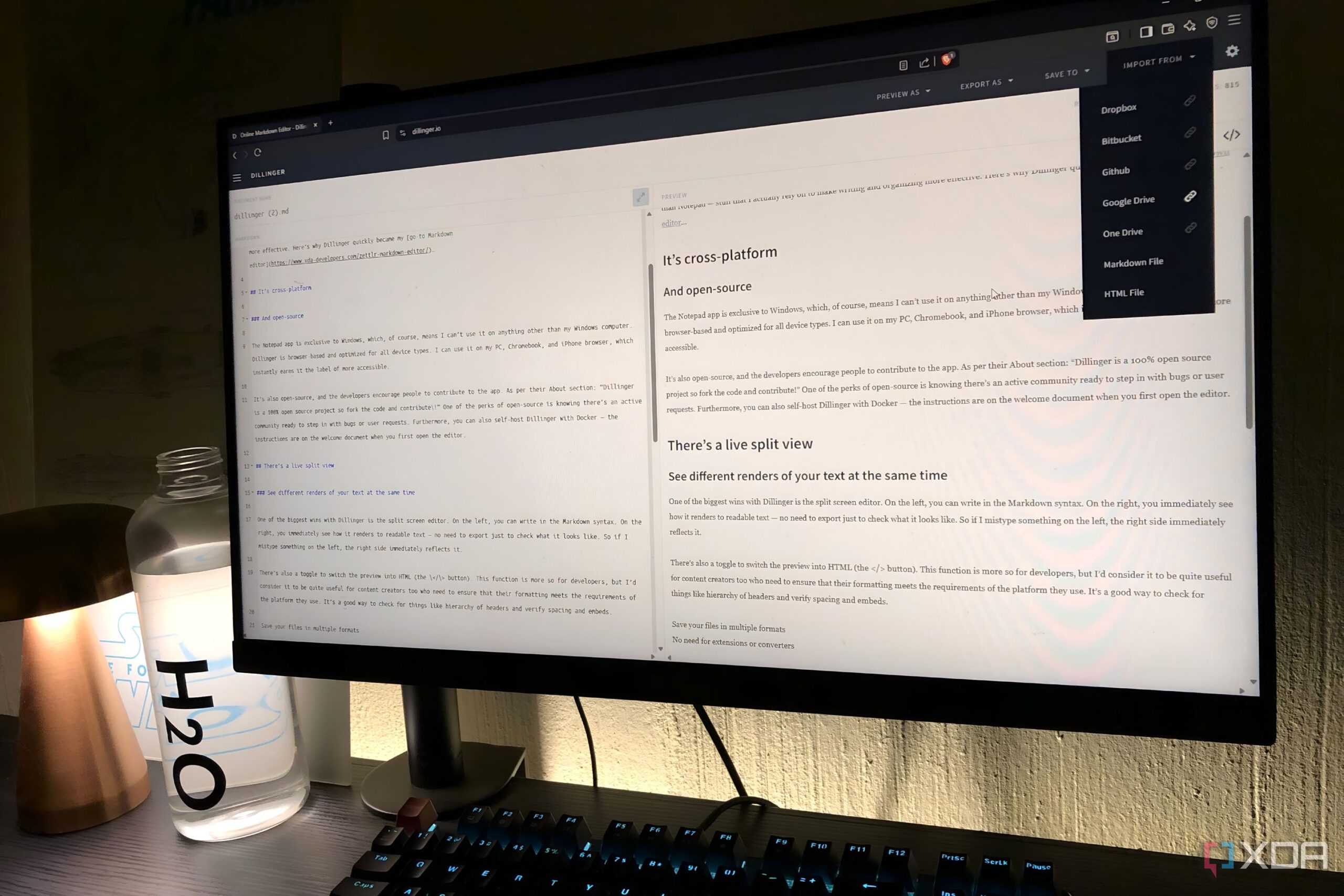
Among the leading alternatives is Dillinger, an open-source, browser-based editor that stands out for its self-hosting capabilities and extensive export options. It supports Markdown and plain text, providing a live split-view for easy editing. Users can sync their work with platforms like Dropbox and Google Drive, making it a versatile choice for those who need seamless access across devices.
Another hot contender is Simplenote, a completely free note-taking app. With a minimalist interface that emphasizes ease of use, Simplenote offers features like tagging, global search, and note pinning. Although it lacks folder organization, it’s designed for users who prioritize a clutter-free experience, making it an appealing choice for many.
AFFiNE is gaining traction as a robust project management tool, blending documents, block-based notes, and databases into a single workspace. It enables users to create long-form documents while allowing for real-time collaboration, making it perfect for teams. Its privacy-focused design ensures data remains local and self-hostable, appealing to users concerned about data security.
For teams and businesses, Docmost provides a self-hosted collaborative wiki ideal for documentation and project management. Its block-based editor allows for organized documents with features such as nested pages and team mentions, ensuring a smooth collaborative experience.
As users flock to these alternatives, the shift reflects a broader trend towards open-source solutions that emphasize user control and privacy. While Microsoft Loop remains a viable option, the growing demand for open tools signifies a critical moment in digital workspace evolution.
What’s next? Keep an eye on the open-source landscape as it continues to evolve. Users can expect even more innovative features and integrations as these alternatives gain popularity. The move away from corporate-controlled tools to community-driven solutions marks a significant development in how we manage our digital lives.
Share your thoughts on these alternatives and join the conversation on social media to help others discover the best tools for their needs!