On March 15, 2024, President Donald Trump confirmed that U.S. forces successfully captured Venezuelan President Nicolás Maduro during a significant military operation. This action marks a pivotal moment in U.S.-Venezuela relations, which have been strained for years due to political and economic turmoil in the South American nation.
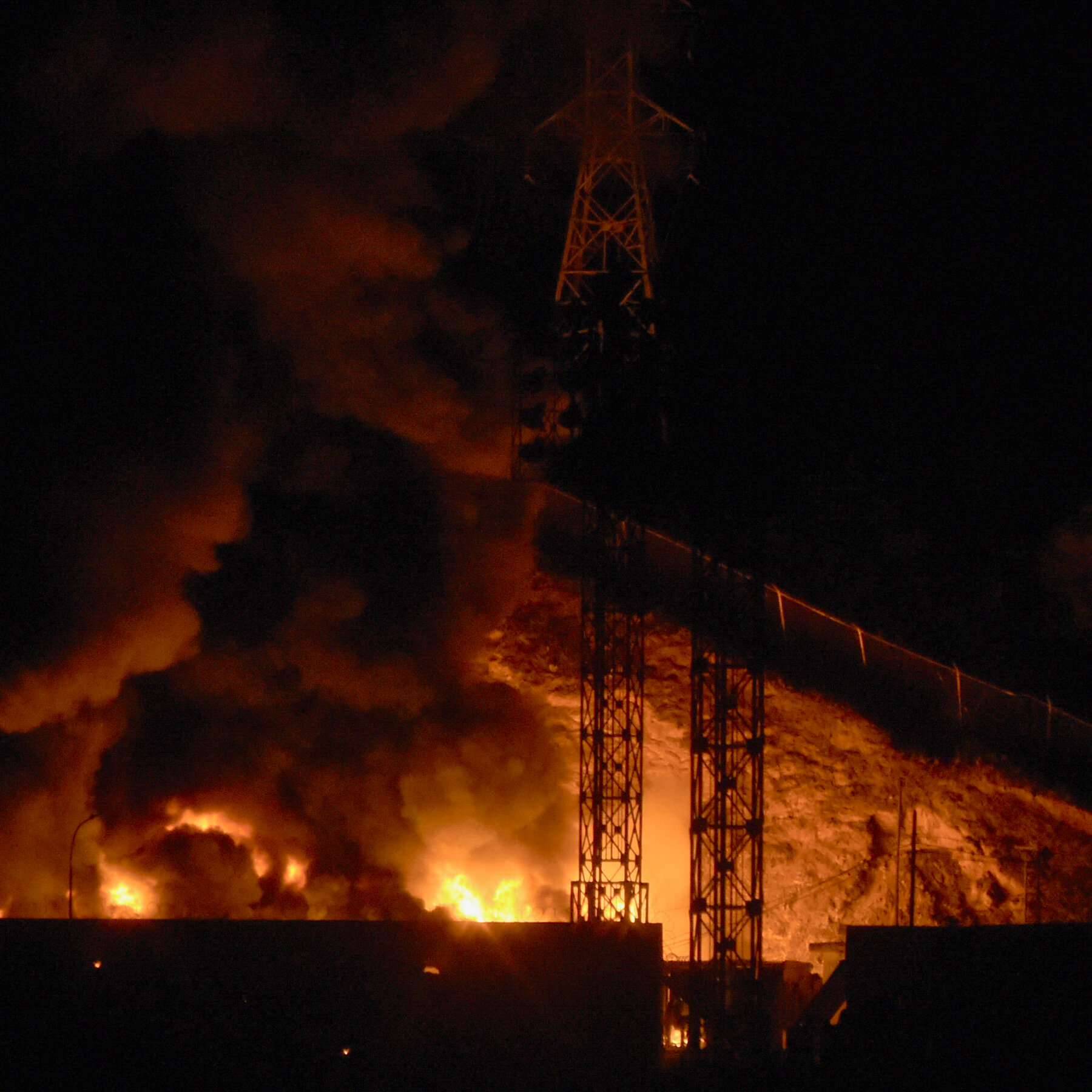
According to the Trump administration, the operation involved a “large scale strike against Venezuela” and was conducted with the objective of removing Maduro from power. Reports indicate that both Maduro and his wife were airlifted out of the country following their capture, although details on their current location remain undisclosed.
Background of Tensions
The U.S. has exerted increasing pressure on Maduro for several months, citing widespread human rights violations and the alleged mismanagement of the Venezuelan economy. Venezuela, once one of the wealthiest countries in Latin America, has faced severe economic challenges, leading to hyperinflation and a humanitarian crisis affecting millions.
The Trump administration’s strategy included sanctions aimed at crippling the Venezuelan economy, alongside diplomatic efforts to isolate Maduro internationally. As these measures intensified, the U.S. indicated a willingness to take direct military action if necessary.
Reactions and Implications
The capture of Maduro has drawn varied reactions from political leaders across the globe. Supporters of the U.S. action argue that it may pave the way for a democratic transition in Venezuela. Critics, however, express concerns over the legality and potential consequences of such military interventions.
“We believe this is a necessary step to restore democracy in Venezuela,” said a senior official from the Trump administration.
Internationally, the situation remains fluid as countries assess their positions regarding U.S. actions in Venezuela. The response from regional allies and adversaries will likely shape the future of U.S.-Latin America relations.
As the details surrounding Maduro’s capture unfold, the implications for Venezuelan citizens and the broader geopolitical landscape are significant. The U.S. government has reiterated its commitment to supporting democratic processes in Venezuela, but the path forward remains uncertain.
In the coming days, it will be critical to monitor how this development impacts both domestic conditions in Venezuela and international diplomatic relations.