Former President Donald Trump has revealed that he is taking more aspirin than his doctors recommend, raising eyebrows among health professionals. During an appearance on CNN’s “The Lead,” Trump stated his reasoning for the increased dosage, which he claims helps him manage various health issues. This admission comes as public interest in his health continues to grow, especially in light of his ongoing political activities.
In the discussion with host Jake Tapper, Trump noted that he has been advised to limit his aspirin intake. He expressed confidence in his decision to exceed this recommendation, suggesting that it contributes positively to his well-being. The former president’s comments have prompted a range of reactions from medical experts, including Dr. Jonathan Reiner, a prominent cardiologist at George Washington University.
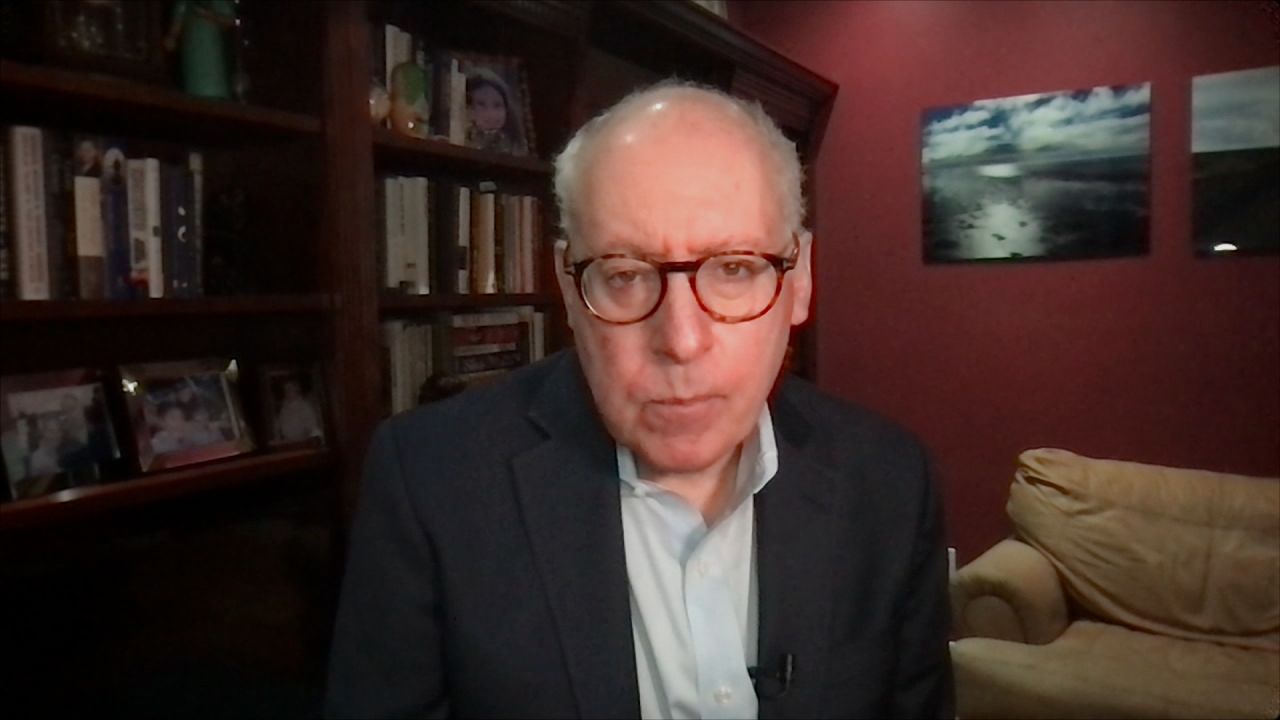
Dr. Reiner cautioned against self-medicating and emphasized the importance of adhering to prescribed guidelines. He highlighted that aspirin, while beneficial in certain contexts, can lead to serious complications if taken excessively. “Patients should always follow their physician’s advice regarding medication,” Dr. Reiner stated, underscoring the potential risks associated with increased aspirin consumption.
Trump’s remarks have reignited discussions about medication safety and patient responsibility. Health professionals urge the public to consult with their doctors before making changes to prescribed treatment plans. Aspirin has well-documented benefits, particularly in reducing the risk of heart attacks and strokes. However, it also carries risks such as gastrointestinal bleeding, which can be exacerbated by inappropriate dosages.
As Trump continues to engage actively in politics, including campaigning for the upcoming presidential election, his health has become a focal point for both supporters and critics. The implications of his self-reported medication use may resonate beyond personal health, potentially influencing public perceptions of his fitness for office.
The conversation surrounding Trump’s health is not new. Previous reports have scrutinized his medical history, including his weight and lifestyle choices. His candidness about aspirin use reflects an ongoing strategy of transparency, albeit one that requires careful consideration in the context of public health messaging.
Ultimately, Trump’s increased aspirin intake serves as a reminder of the delicate balance between personal health decisions and public accountability. As he navigates the complex landscape of political life, the implications of his health choices will likely remain a topic of significant interest.