In recent months, the political landscape in the United States has shifted dramatically, with the Democratic Party gaining ground against the Republican establishment led by former President Donald Trump. As the 2026 midterm elections approach, many observers believe that the Republican Party may be facing significant losses, reminiscent of historical battles in American history.
The current political climate echoes the resilience demonstrated during the Battle of the Bulge in World War II, where Brigadier General Anthony McAuliffe famously responded to a German surrender demand with a defiant “NUTS!” This attitude of determination is mirrored by many Democrats who, despite ongoing challenges, continue to push back against what they perceive as Trump’s detrimental influence on American democracy.
Over the past few years, Trump’s administration has been criticized for its handling of various issues, from environmental policies to public health initiatives. Critics argue that his administration has consistently undermined democratic values and engaged in actions detrimental to societal well-being. This has included promoting controversial policies and fostering divisive rhetoric, particularly highlighted during the events of January 6, 2021Waynesboro, Virginia, Democrats have achieved unexpected victories. Abigail Spanberger’s recent win in the governor’s race is emblematic of this shift. Spanberger’s success marks a significant change in a region that had not supported a Democratic presidential nominee since Lyndon Johnson in 1964. Such victories reflect a broader trend of Democratic gains across various electoral races.
Polling data suggests that if the midterms were held today, Republicans could lose between 40 to 60 seats in the House and potentially face setbacks in the Senate as well. This potential shift is further underscored by a record number of retirements among Republican lawmakers, many of whom appear to be distancing themselves from Trump’s controversial leadership.
As the political landscape evolves, many Republicans are confronted with a choice: align with Trump and risk political fallout or embrace a more moderate approach that appeals to a broader electorate. The upcoming elections present an opportunity for Democrats to capitalize on Republican vulnerabilities, as evidenced by significant electoral wins in recent months.
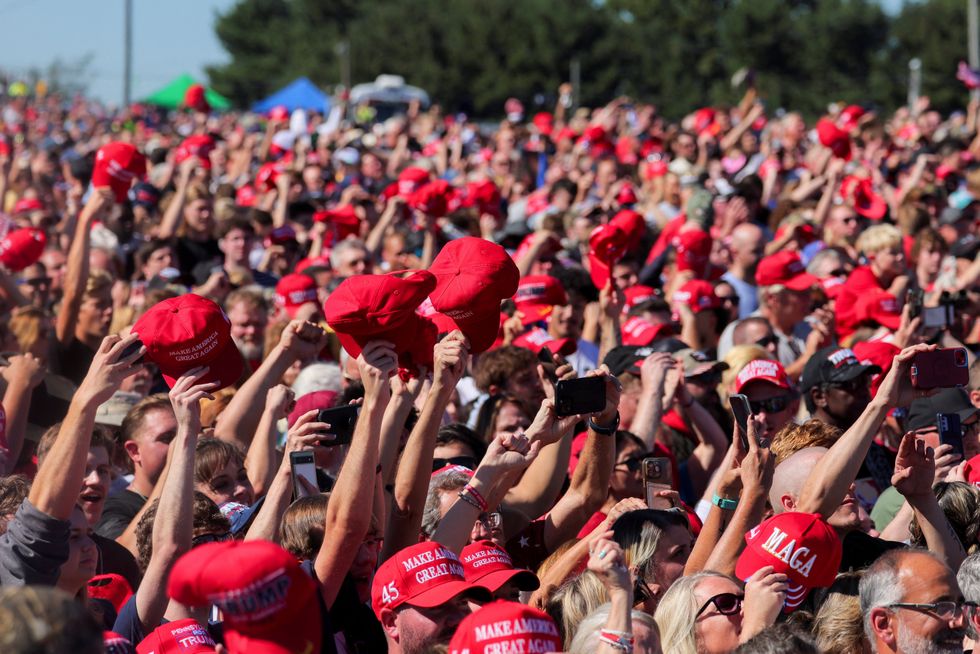
Despite these challenges, Trump and his supporters remain defiant. They assert that their policies will ultimately resonate with voters, but evidence suggests that public sentiment may be shifting against them. The Democratic Party appears to be harnessing this momentum, with grassroots movements gaining traction across the country.
In the face of adversity, Democratic leaders and their supporters are calling for resilience and action. They emphasize the importance of participation in the democratic process and encourage constituents to remain engaged in political discourse. The sentiment is clear: there is a growing determination among Democrats not only to resist but to actively reclaim American values and governance.
In summary, as the United States approaches the next electoral cycle, the Republican Party, under the shadow of Trump’s leadership, faces significant challenges. With Democrats gaining momentum and public sentiment shifting, the upcoming elections could reshape the political landscape for years to come. The resilience and determination of voters will play a critical role in determining the outcome of this ongoing battle for the future of American democracy.