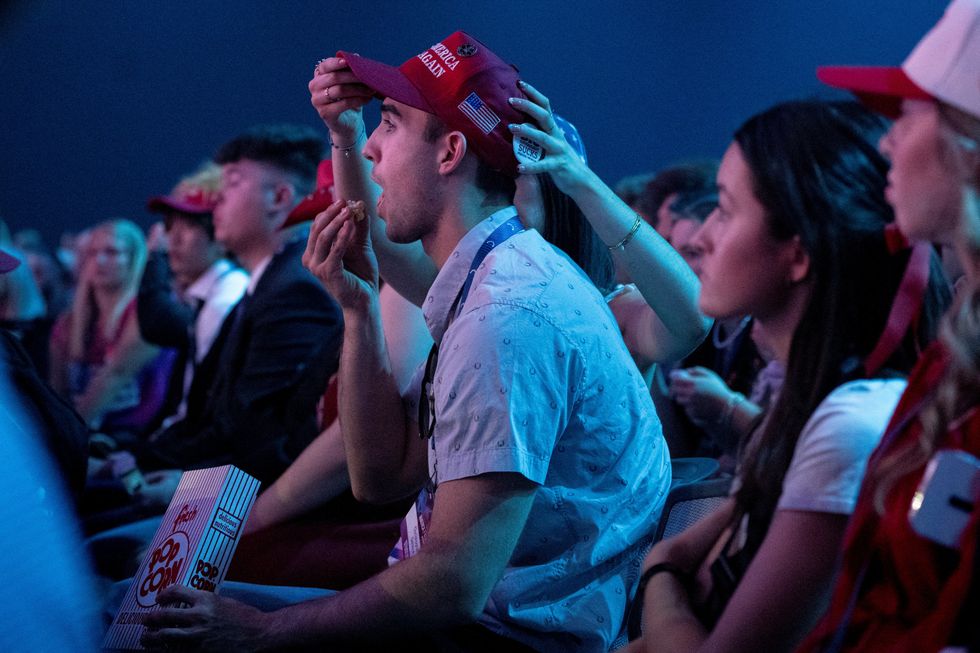
The support for former President Donald Trump is experiencing significant strain, as internal divisions among prominent figures in the MAGA movement become increasingly evident. Leaders such as Ben Shapiro, Erica Kirk, Tucker Carlson, and Steve Bannon are embroiled in contentious debates, including controversial discussions regarding the acceptance of extremist views within the party. Events that could have served as rallying points have instead devolved into divisive conspiracies, undermining the movement’s cohesion.
These fractures signal a broader discontent among Trump supporters, who increasingly feel let down by unmet promises, particularly concerning economic prosperity. Many within the MAGA base are expressing frustration over the perceived failure to deliver on the financial benefits they were led to expect. The ongoing challenges of rising living costs, soaring rents, and stagnant wages have left supporters questioning the efficacy of their allegiance to Trump.
The last few years have witnessed a growing sense of disenchantment among millions of Americans, particularly those who feel abandoned by traditional political structures. For many, years of economic decline and job loss in regions like the Midwest fueled a desire for change, which Trump capitalized on during his 2016 campaign. His rhetoric resonated with those blaming external factors, including minorities and immigrants, for their struggles.
Yet, as Trump’s administration progressed, so did the realization among his base that their circumstances were not improving. Supporters are now confronting the harsh reality that, despite Trump’s promises, their economic situation has not substantially changed. The economic landscape remains challenging, with inflation and unemployment continuing to affect everyday life.
The economy currently exhibits a K-shaped trajectory, as described by economist Paul Krugman. This model indicates that while the wealthiest Americans are thriving, many others are still struggling. The disparities in economic recovery have become more pronounced since the onset of the COVID-19 pandemic, which has further exacerbated existing inequalities. Trump’s attempts to regain support in this environment have been complicated by rising criticism and concern over his past actions.
Democrats have leveraged this discontent to their advantage, emphasizing a platform focused on affordability and economic equity. They argue that the wealthiest should not benefit disproportionately from government policies, a message that has resonated with many voters disillusioned with the current state of affairs. This strategy appears to be paying off, as evidenced by electoral gains in recent cycles.
The internal strife within the MAGA movement is underscored by the departures of prominent figures such as Marjorie Taylor Greene and Elise Stefanik. As the movement grapples with its identity and direction, the potential for a significant shift in political dynamics looms. The fractures within the MAGA base reflect a deeper crisis of faith and purpose, raising questions about its future and the legacy of Trump’s leadership.
As the political landscape continues to evolve, the focus will likely shift to how both parties navigate these turbulent waters. For Trump and his supporters, the challenge remains to reconcile their grievances with the realities of an economy that seems to be leaving them behind. The coming months will be crucial in determining the trajectory of both the MAGA movement and the broader political discourse in the United States.