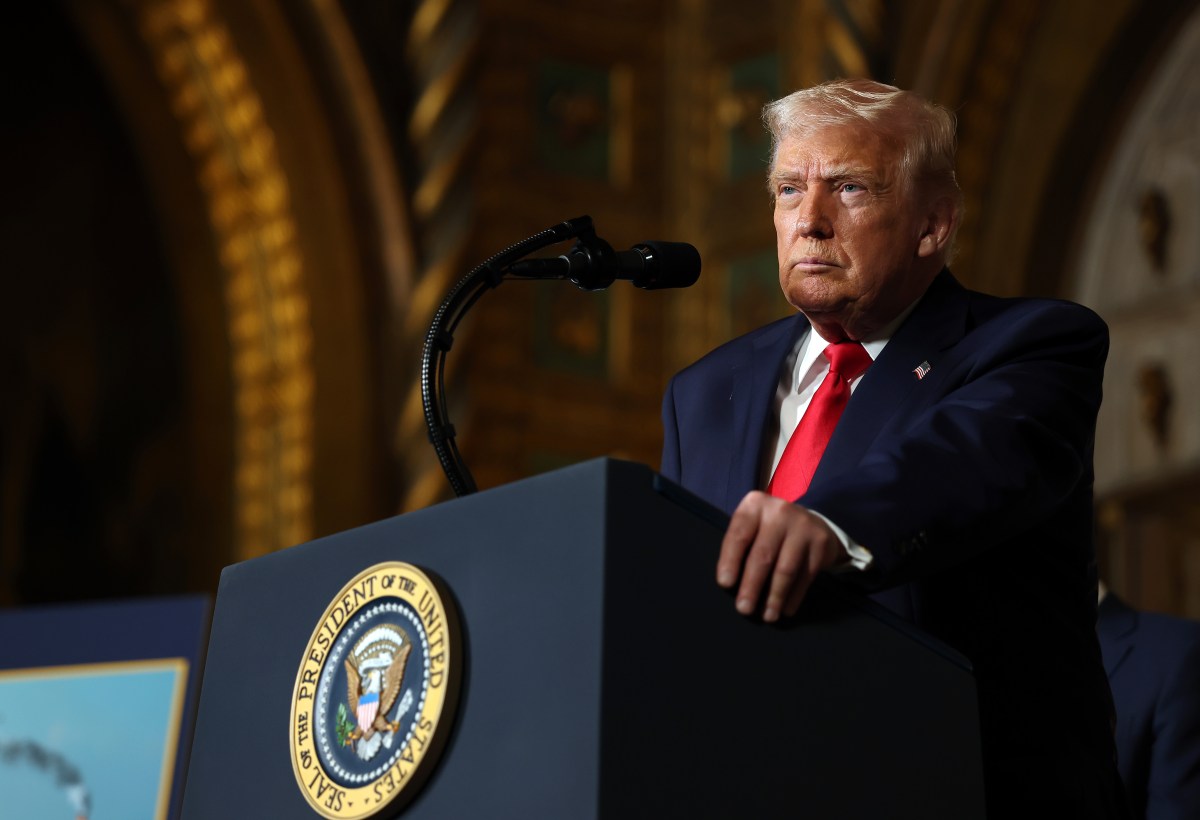
As 2025 draws to a close, many supporters of President Donald Trump are beginning to question his accomplishments over the past year. Despite strong rhetoric and promises, the reality reveals a significant gap between what was promised during the 2024 campaign and the outcomes Americans are experiencing today.
The Republican Party’s platform was clear, emphasizing major issues such as ending inflation, deporting undocumented immigrants, and halting what Trump called the “weaponization of government.” However, the results have been sobering. Unemployment has risen to its highest level in four years, while prices have increased by approximately 3 percent, with many voters attributing their economic challenges directly to the President’s policies.
Economic Challenges and Manufacturing Decline
Trump’s goal of transforming the United States into a manufacturing superpower has not come to fruition. Despite his aggressive tariff policies, manufacturing jobs have declined, outsourcing has increased, and the trade deficit has surged by $112 billion. The disconnect between Trump’s claims and the economic reality has prompted many voters to express dissatisfaction, particularly regarding affordability, which remains their top concern.
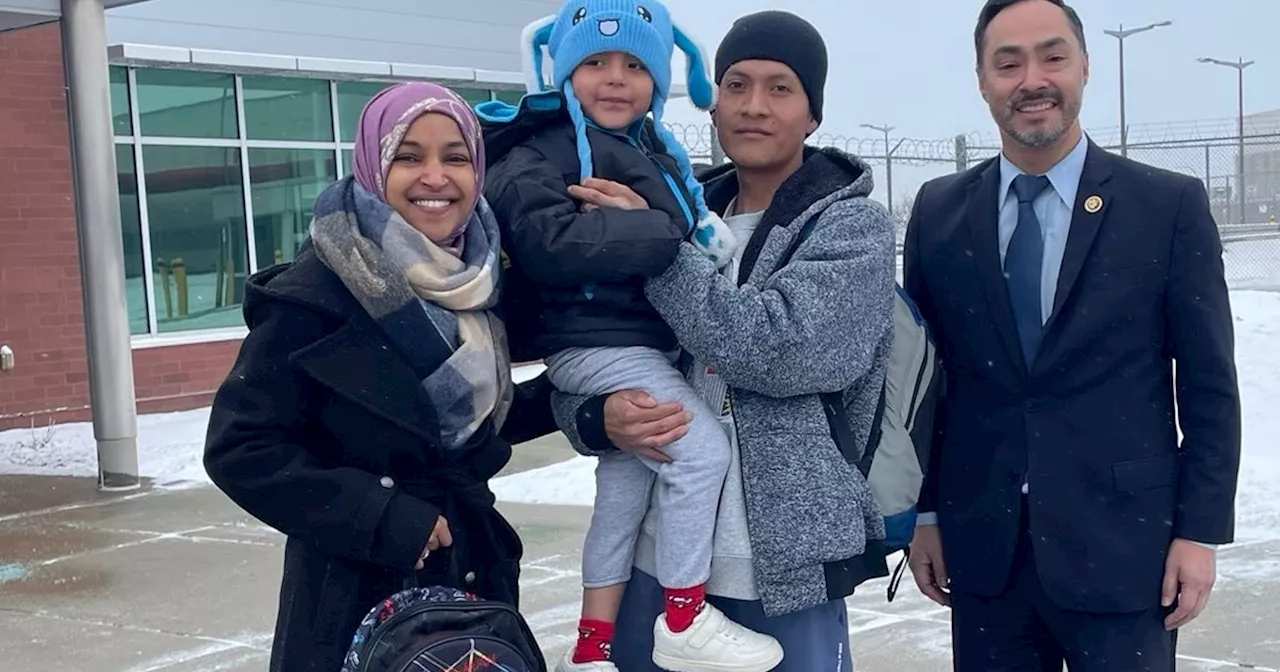
The President’s deportation strategy, heavily promoted through publicized raids and national guard deployments, has also not yielded the expected results. In fact, records indicate that Trump is on track to achieve fewer deportations in 2025 than former President Joe Biden did in 2024, and substantially fewer than during the peak of Barack Obama’s presidency. Internal turmoil within the Department of Homeland Security suggests that officials are struggling to execute the President’s agenda effectively.
Foreign Policy and Humanitarian Impacts
In terms of foreign policy, Trump has faced criticism for failing to fulfill his promise of swiftly ending ongoing conflicts, including the war in Ukraine. While he did manage to facilitate a ceasefire between Israel and Hamas, the humanitarian fallout from his cuts to USAID is alarming. Estimates suggest that these measures could result in the deaths of 330,000 people this year, with children accounting for a significant portion of this tragic statistic.
Additionally, Trump’s claims of ending multiple wars have been debunked, further undermining his credibility on the global stage. Critics argue that his approach to international relations lacks the depth necessary to resolve complex issues effectively.
While some metrics, such as crime rates, have not worsened significantly under Trump’s administration, his administration’s controversial pardons and prosecutions have raised concerns about fairness and equity in the justice system. Critics point out that his actions have fostered a two-tiered system that disproportionately affects those outside his political circle.
As the year concludes, the mounting disillusionment among Trump supporters is evident, with a reported 14 percent of his voters expressing regret over their choice. With Congress facing internal strife and a lack of constructive plans for the coming year, the question remains: how long will it take for more supporters to reassess their loyalty to the President?
In summary, Trump’s presidency in 2025 has been characterized by bold promises and performative gestures, but the tangible outcomes tell a different story. As the public reflects on his record, the gap between expectation and reality continues to widen, leaving many to ponder the future direction of the Republican Party and its leadership.