Health experts are warning of a potentially severe flu season as infection rates begin to rise across the United States. While current flu activity in Texas is classified as moderate, cities nationwide are facing challenges from a new variant of influenza, referred to by some as a “super flu.”
Dr. Catherine Troisi, a professor of epidemiology at UT Health Houston School of Public Health, highlighted that areas like New York have already reported spikes in infection rates. She identifies three primary factors contributing to her concerns about this flu season.
One significant factor is the circulation of the H3N2 strain of the influenza A virus. According to Dr. Troisi, this particular strain is known to cause more severe illness than others. Additionally, the emergence of a new variant, officially classified as subclade K, adds to the complexity. “A subclade is like a family tree—viruses have family trees. This is like maybe your nieces and nephews. It’s connected but not quite the same,” she explained. The subclade K variant is concerning because many individuals lack immunity to it, increasing the likelihood of illness upon exposure. Furthermore, preliminary observations suggest that this variant spreads more rapidly than its predecessor.
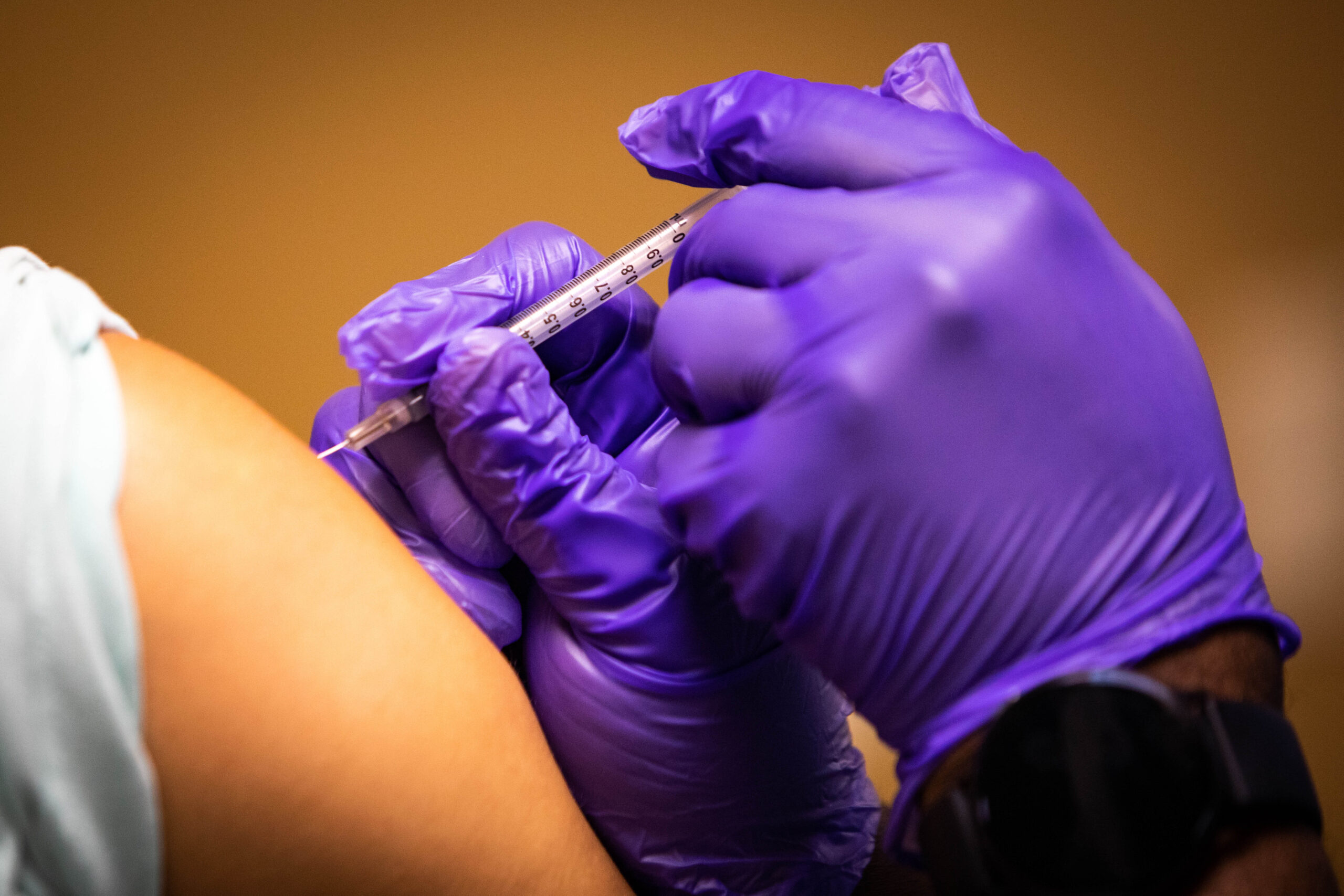
While the flu vaccination rates have declined this year, Dr. Troisi reassures the public regarding the efficacy of the vaccine. Early data from England, where subclade K surfaced earlier than in the U.S., indicates that the annual flu shot can provide some degree of protection. “The influenza vaccine is not the best vaccine we have. People can still get sick. What it does better is protect you against severe disease and hospitalization,” she emphasized. Importantly, she noted that it is not too late to receive the vaccine.
In Texas, although flu infections are on the rise each week, the situation remains less severe compared to other regions. Dr. Troisi anticipates an increase in cases as the holiday season approaches, citing factors such as travel and children being home from school. “People, at least in colder climates, are inside where you’re more likely to spread influenza,” she stated.
Additionally, the H1N1 strain is also circulating, and Dr. Troisi confirmed that the vaccine will protect against this strain as well. As the flu season progresses, public health officials urge individuals to prioritize vaccination to mitigate the potential impact of the virus.
With the holidays drawing near and flu activity expected to escalate, health professionals are emphasizing the importance of flu shots to protect against severe illness and hospitalization.