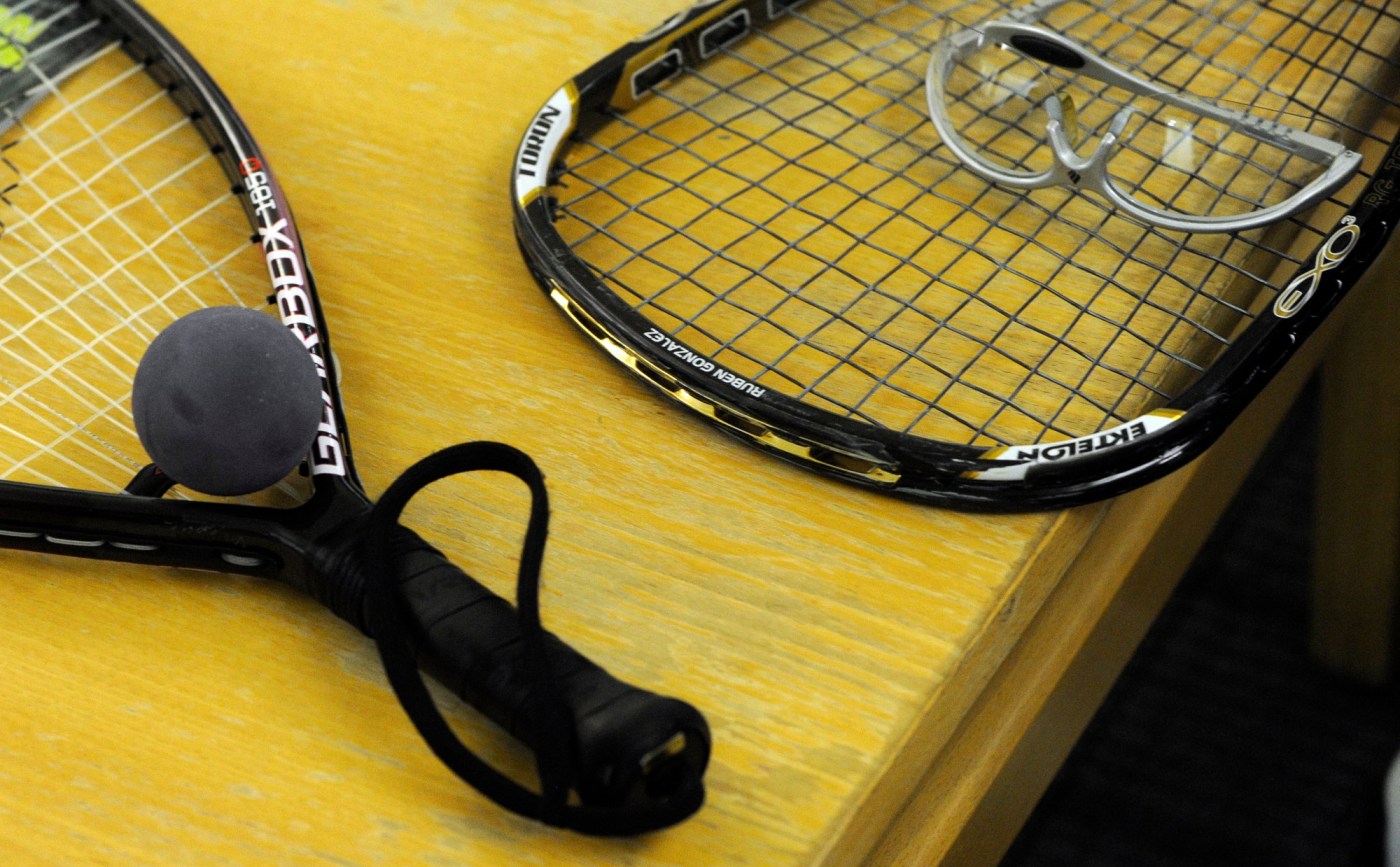
Young athletes who wear glasses and participate in racket sports such as tennis, pickleball, and squash face significant risks of eye injuries. These injuries, which can lead to permanent vision loss, are often preventable with the right protective gear. A recent public health concern highlights that from 2015 to 2025, youth athletes aged 10-18 in Allentown have encountered a high incidence of ocular injuries while playing these sports.
The reality is stark: one swift serve or a mistimed swing can lead to severe injuries. Many parents and coaches may not realize that traditional prescription glasses do not provide adequate protection. In fact, these glasses can shatter upon impact, sending sharp fragments toward the eye and resulting in serious damage. The risk is especially pronounced in youth racket sports, where athletes often have slower reaction times and less developed coordination.
Racket sports are noted as the leading cause of sports-related eye injuries in the United States. As highlighted in a report published in Clinics in Sports Medicine, these sports have a high risk of eye injuries due to the small size of the balls and the high speeds at which they are played. A review conducted in 2024 examined 20 studies and found that an alarming 93% of all racket injuries occurred when players were not wearing protective eyewear.
Pickleball, which has surged in popularity among young athletes, poses its own risks. According to a report in JAMA Ophthalmology, there were an estimated 3,112 pickleball-related ocular injuries between 2005 and 2024, with 1,262 of those occurring in just 2024. Tennis has also seen a concerning number of eye injuries; from 2000 to 2019, approximately 16,000 emergency department visits related to tennis injuries were recorded, predominantly among boys aged 11-15.
To safeguard youth athletes, it is essential that no child steps onto the court without the proper protective eyewear. The American Academy of Ophthalmology now advises that players in racket sports should comply with the American Society for Testing and Materials (ASTM) F3164 guidelines. These guidelines ensure that sports glasses are designed to absorb impact and meet safety standards. Protective eyewear should be made from polycarbonate, a material known for its high resistance to shattering—about 150 times stronger than conventional glasses.
Experts recommend additional protective features to enhance safety, including impact-resistant lenses, wraparound frames, antifog coatings, and appropriate tints for varying lighting conditions. Parents are encouraged to choose ASTM-certified sports glasses specifically designed for racket sports and to communicate the importance of this protection to their children.
Coaches and athletic staff must prioritize eye safety as well. They should encourage young athletes to wear their protective glasses during all drills, practices, and matches, setting a strong example for their players. Racket sports facilities and programs should implement similar practices during youth clinics, tournaments, and open-court play.
To effectively promote this message, an outreach campaign utilizing social media and posters can reach young athletes and their families, who frequently engage with platforms like Instagram and TikTok. Posters and informative materials should be distributed at local tennis, pickleball, and racquetball venues.
By collaborating as a community—parents, coaches, leagues, schools, and health professionals—there is potential to set a standard for youth racket sports that ensures the use of ASTM-certified protective eyewear. This collective effort can help ensure that every child who steps onto the court does so with their vision intact.
This article reflects the perspective of Casey T. Knipe, a student at Muhlenberg College. The opinions expressed herein are those of the author and do not necessarily represent the views of this publication.