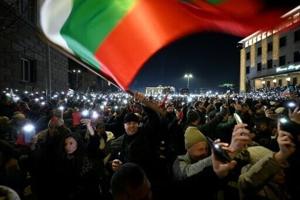
Tens of thousands of demonstrators marched through cities across Bulgaria on October 4, 2023, expressing widespread discontent with the government and its handling of corruption. The protests erupted in response to a controversial draft budget that many citizens believe further entrenches graft within the political system.
The demonstrations began in the capital, Sofia, where large crowds gathered outside government buildings. Protesters chanted slogans calling for accountability and transparency, reflecting a growing sentiment against perceived governmental negligence. Similar gatherings occurred in major cities, including Plovdiv and Varna, where citizens voiced their frustrations.
Organizers indicated that the protests were fueled by increasing public anger over the draft budget, which many see as favoring wealthy elites while neglecting the needs of ordinary Bulgarians. Participants criticized the government’s lack of action in addressing corruption, which has long plagued the nation. Over the years, numerous scandals have surfaced, raising concerns about the integrity of public funds and the effectiveness of anti-corruption measures.
The protests are part of a broader movement in Bulgaria, as citizens demand systemic changes that prioritize transparency and integrity in governance. The ongoing unrest reflects a significant shift in public sentiment, with many Bulgarians now unwilling to accept the status quo. Grassroots organizations and activists have rallied support through social media, mobilizing citizens to take a stand against corruption.
As the protests continued into the evening, the sense of unity among participants was palpable. Many carried banners and placards with messages condemning government actions, emphasizing that the fight against corruption is critical for Bulgaria’s future. The mobilization has drawn attention from international observers who are closely monitoring the situation, as the country’s political stability remains a key concern in the region.
While the government has yet to officially respond to the protests, analysts suggest that the growing unrest may force policymakers to reconsider their approach to the budget and anti-corruption efforts. The outcome of these demonstrations could have far-reaching implications for Bulgaria’s political landscape and its relations with the European Union.
In the coming days, the protesters plan to continue their actions, with additional rallies scheduled. Activists emphasize that their movement is about more than just the budget; it represents a call for a complete overhaul of the political system. The ongoing demonstrations showcase a populace determined to demand accountability from their leaders, as they strive for a future free from corruption.