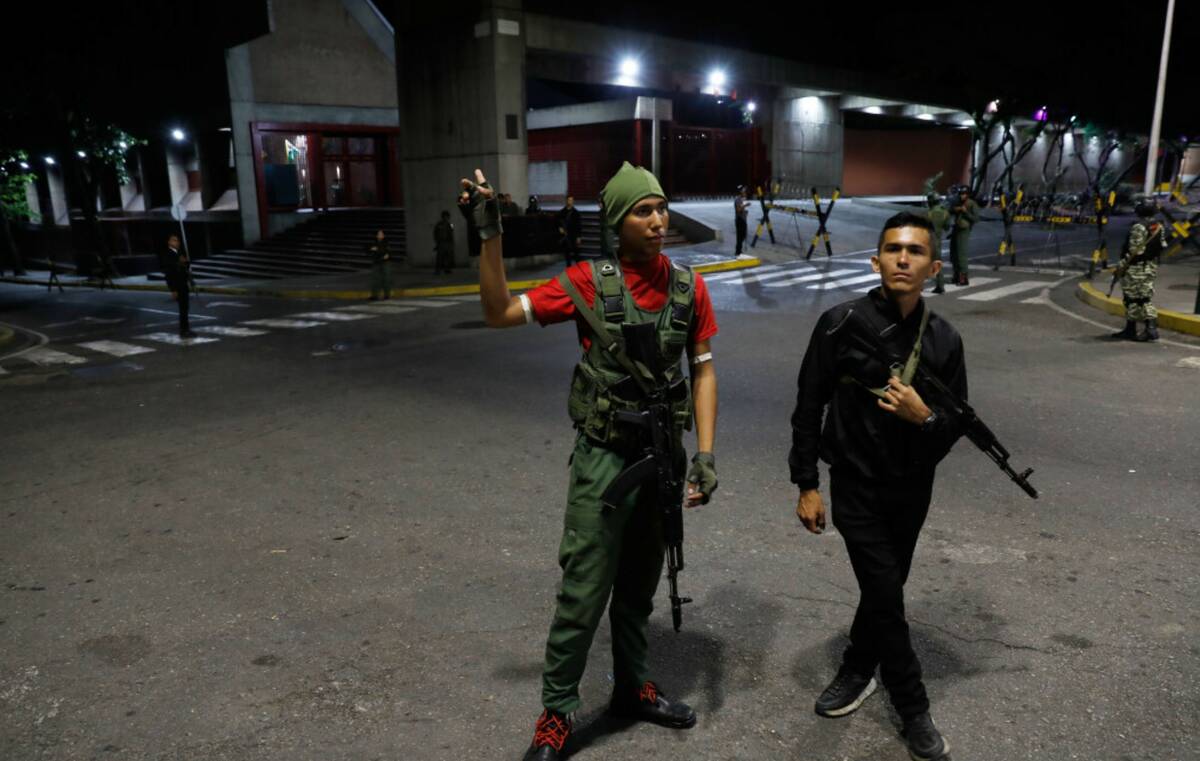
At approximately 2 a.m. local time on Saturday, Caracas experienced a series of at least seven explosions accompanied by the sound of low-flying aircraft. The Venezuelan government has accused the United States of attacking both civilian and military installations across multiple states. The Pentagon has deferred requests for comment to the White House, which has not yet responded to inquiries.
In response to what it describes as “ongoing military activity,” the Federal Aviation Authority has prohibited U.S. commercial flights from entering Venezuelan airspace. Smoke was visible rising from a military base hangar in Caracas, while another military facility in the capital experienced a power outage. Residents in various neighborhoods took to the streets, some expressing their fear and confusion.
“The whole ground shook. This is horrible. We heard explosions and planes,” said Carmen Hidalgo, a 21-year-old office worker. She was walking with two relatives when the explosions occurred, describing the sensation of the air hitting them as they fled the scene.
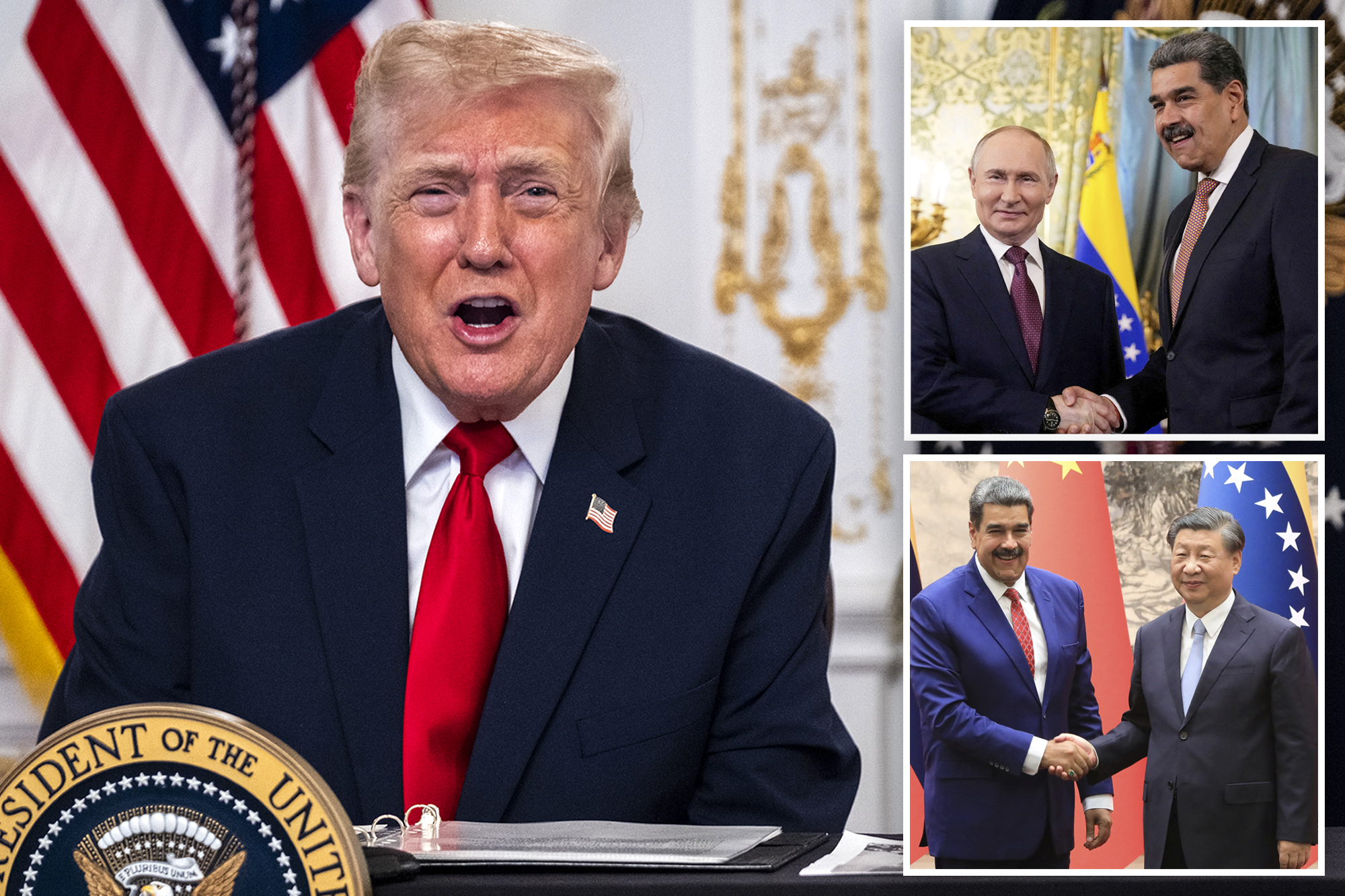
In a statement, the Venezuelan government urged its supporters to mobilize in protest, declaring, “People to the streets! The Bolivarian Government calls on all social and political forces in the country to activate mobilization plans and repudiate this imperialist attack.” The statement also revealed that President Nicolás Maduro has ordered the implementation of all national defense plans and declared a “state of external disturbance.”
The accusations from Caracas come amidst a backdrop of U.S. military operations targeting alleged drug-smuggling boats in the Caribbean Sea. On Friday, Maduro indicated openness to negotiations with the U.S. regarding a mutual effort to combat drug trafficking. In a pre-recorded interview aired on Thursday, he accused the U.S. of attempting to instigate a government change in Venezuela to gain access to its extensive oil reserves.
Maduro has faced charges of narco-terrorism in the U.S., and a recent drone strike attributed to the CIA targeted a docking area believed to be used by Venezuelan drug cartels. This marked the first known direct military operation on Venezuelan soil since the U.S. intensified its strikes on boats in September.
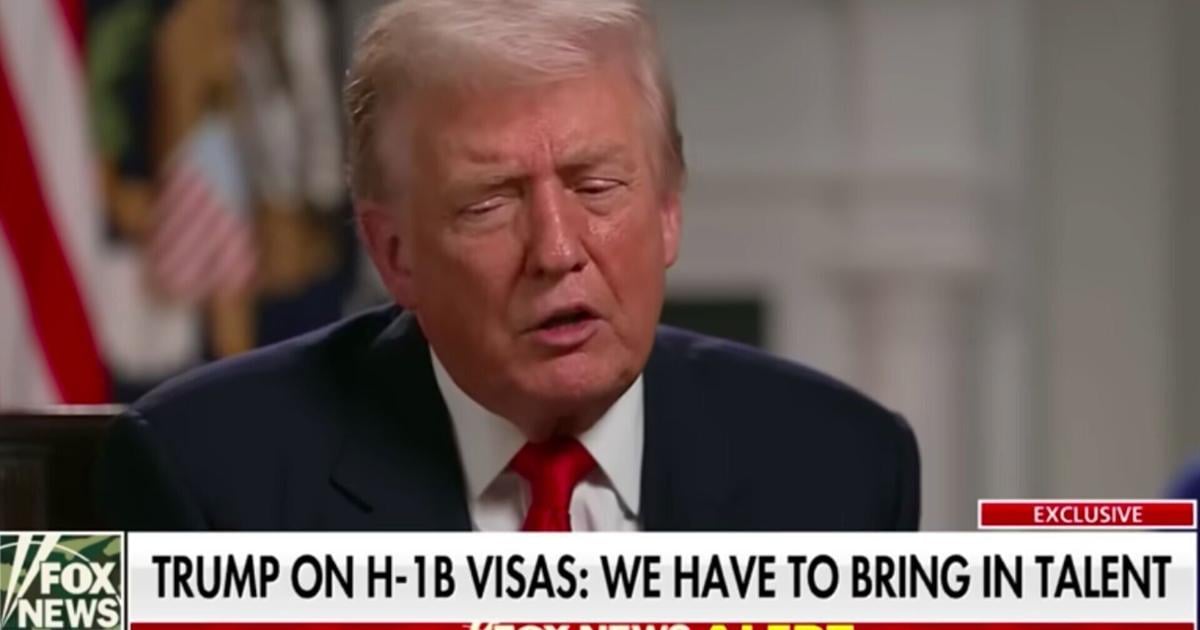
Former U.S. President Donald Trump had previously threatened military action against Venezuela, asserting that the U.S. was engaged in an “armed conflict” with drug cartels. Since early September, the U.S. military has conducted 35 known strikes against boats in the Caribbean and eastern Pacific Ocean, resulting in at least 115 fatalities, according to the Trump administration.
The situation escalated following a significant buildup of U.S. forces in the region, which included the deployment of the nation’s most advanced aircraft carrier. This military presence is reportedly the largest in generations and aims to curtail the flow of drugs into the U.S.
The current tensions between the U.S. and Venezuela highlight ongoing geopolitical conflicts, with both nations taking firm stances on military and diplomatic fronts. As events unfold, the international community is closely monitoring the situation, particularly given the wider implications for regional stability and security.