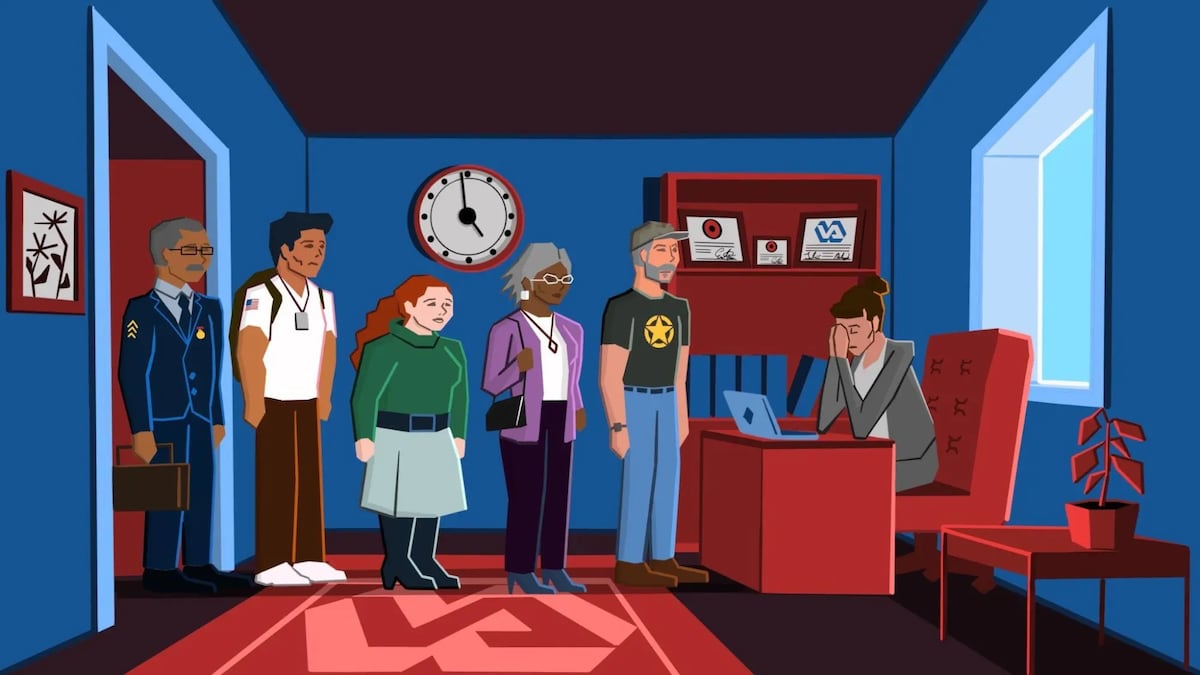
The Department of Veterans Affairs (VA) is grappling with a significant staffing crisis as over 4,400 severe shortages were reported across its medical facilities in fiscal year 2025. This figure marks a staggering 50% increase from the previous year, with psychologists topping the list of clinical positions facing shortages. Despite the VA’s commitment to enhancing veterans’ mental health services, many psychologists are experiencing burnout and frustration, prompting some to leave their positions.
Laura Grant, a former VA psychologist who departed in September 2024 after nearly a decade, expressed her disillusionment, stating that “burnout increasingly felt normalized rather than addressed.” Her sentiment is echoed by several others in the field, revealing a concerning trend within the agency. In 2025, the number of employed psychologists within the VA dropped for the first time in over ten years, with more than 200 leaving their roles.
Growing Demand for Mental Health Services
Data from the VA indicates that mental health care demand has surged, with 2.2 million patients treated in fiscal year 2025, representing a 40% increase from a decade earlier. Despite this rising demand, the number of psychologists employed has only increased by 24% since 2016. Among VA facilities, 57% reported severe staffing shortages for psychologists, while psychiatrists followed closely behind at 55%.
Former psychologists attribute their departures to a shift in the work environment, where metrics and pressure to discharge patients quickly have replaced the supportive atmosphere that once characterized the VA. Melissa London, who left the San Francisco VA in January 2025 after her caseload doubled, noted that staffing shortages had intensified over the past few years, making the situation increasingly untenable.
The VA maintains that it employs over 7,000 psychologists and is actively recruiting more, with 171 job postings for clinical psychologists currently listed on the USAJOBS portal. However, former staff members argue that hiring efforts have not been prioritized, leading to an environment where existing psychologists are overwhelmed.
Concerns Over Workload and Patient Care
In September 2024, a psychology program manager at the Central Virginia VA Health Care System communicated to staff about the growing burden of caseloads, stating that “we need to cut down on our caseloads, which have grown too large to be manageable.” This directive included ending therapy for long-term patients and implementing shorter treatment models. While these measures aim to alleviate pressure on providers, they have sparked frustration among both patients and therapists.
A veteran who received notice of this new policy was outraged when his therapy sessions were abruptly terminated. This incident highlights the tension between the need for efficient patient management and the quality of care provided to veterans. A study conducted in 2024 indicated that therapist burnout directly impacts the quality of mental health care.
Despite the challenges, the VA insists it is committed to improving the work environment for mental health professionals. Recent initiatives have included appointing chief well-being officers to reduce administrative burdens and enhance employee wellness. However, many psychologists report that these measures feel superficial, with some referring to morale-boosting efforts, such as pizza parties, as inadequate compared to the urgent need for new hires.
As psychologists increasingly turn to private practice, where they can set their hours and fees, the VA faces an uphill battle in retaining talent. Many former staff members have expressed a willingness to return if conditions improve, emphasizing the need for greater respect and support for mental health professionals.
Elon Musk’s recent initiatives at the Department of Government Efficiency have also raised concerns among psychologists, who feel that recognition for their clinical work has diminished while scrutiny has increased. Grant noted that the dismantling of diversity, equity, and inclusion initiatives has further eroded morale, complicating the VA’s mission to serve a diverse veteran population.
The staffing crisis within the VA reflects broader challenges in mental health care across the United States, where over 135 million Americans live in areas with a shortage of mental health professionals. The ongoing situation raises critical questions about the future of mental health care for veterans and the well-being of those dedicated to serving them.
As the VA attempts to navigate this crisis, the voices of its psychologists underscore an urgent need for systemic changes that prioritize both patient care and the mental health of providers.