The United States Air Force (USAF) is currently undergoing a significant modernization initiative, addressing aircraft that range from Cold War-era bombers to the advanced Air Force One. This effort is marked by considerable challenges, including delays, rising costs, and technical complications that have raised questions regarding the pace and effectiveness of the upgrades.
As the USAF works to enhance its fleet, the complexity of modern military aviation comes to the forefront. While many aircraft are older than their pilots, they remain in active service, but newer models, such as the next Air Force One, continue to experience setbacks. Understanding the intricacies of these upgrades reveals why modernization is a lengthy and costly process.
Modernization: A Necessity with Complications
The USAF’s modernization efforts aim to ensure the fleet remains relevant against evolving global threats. However, the reality is that these upgrades are taking longer and costing more than anticipated. Issues such as aging airframes, intricate technology, and ongoing supply chain disruptions have hindered progress across various programs.
Many aircraft in the USAF’s inventory were designed decades ago, before the advent of today’s digital, networked warfare. Consequently, upgrading these aircraft involves extensive redesigns rather than straightforward equipment replacements. As highlighted in multiple program updates from the Air Force, modernization often requires rebuilding essential systems while keeping the aircraft operational.
Facing budget constraints and industrial limitations, the Air Force navigates a landscape where new programs must adhere to stringent security requirements and adapt to evolving mission needs. Despite frustrations, defense analysts emphasize that modernization is crucial. Without advanced sensors and communication systems, the USAF would struggle to compete with near-peer adversaries rapidly enhancing their own capabilities.
Factors Behind Delays and Rising Costs
Age is a primary factor influencing the pace of aircraft upgrades. For instance, the B-52 Stratofortress entered service in **1955**, and while structurally sound, many internal systems are outdated. The Air Force acknowledges that legacy wiring and analog avionics cannot meet modern operational demands without significant redesign efforts.
Integrating contemporary technology poses another challenge. The latest radars and sensors offer superior capabilities, but their complexity complicates installation. According to official Air Force documentation, incorporating these systems often necessitates changes to power generation, cooling capacity, and software architecture, all of which extend timelines and introduce additional risks.
Budget and industrial constraints further complicate the modernization landscape. Defense contractors are currently managing multiple high-priority programs, from bombers to trainers. Analysts also point to global supply chain disruptions, which continue to impact the availability of specialized components, particularly for low-volume military projects.
The following table provides an overview of major USAF aircraft, their roles, and the primary challenges driving delays and costs:
| Aircraft Platform | Role | First Entered Service | Major Upgrade Focus | Primary Challenge |
|---|---|---|---|---|
| B-52 Stratofortress | Strategic bomber | 1955 | Radar (AESA), avionics, engines | Extreme airframe age |
| B-1B Lancer | Long-range bomber | 1986 | Avionics, weapons integration | Aging systems near retirement |
| A-10 Thunderbolt II | Close air support | 1976 | Avionics, targeting pods, wings | Survivability and age |
| F-16 Fighting Falcon | Multirole fighter | 1978 | AESA radar, networking | Fleet diversity |
| F-15EX Eagle II | Air superiority | 2020s | Avionics, weapons, sensors | Industrial capacity |
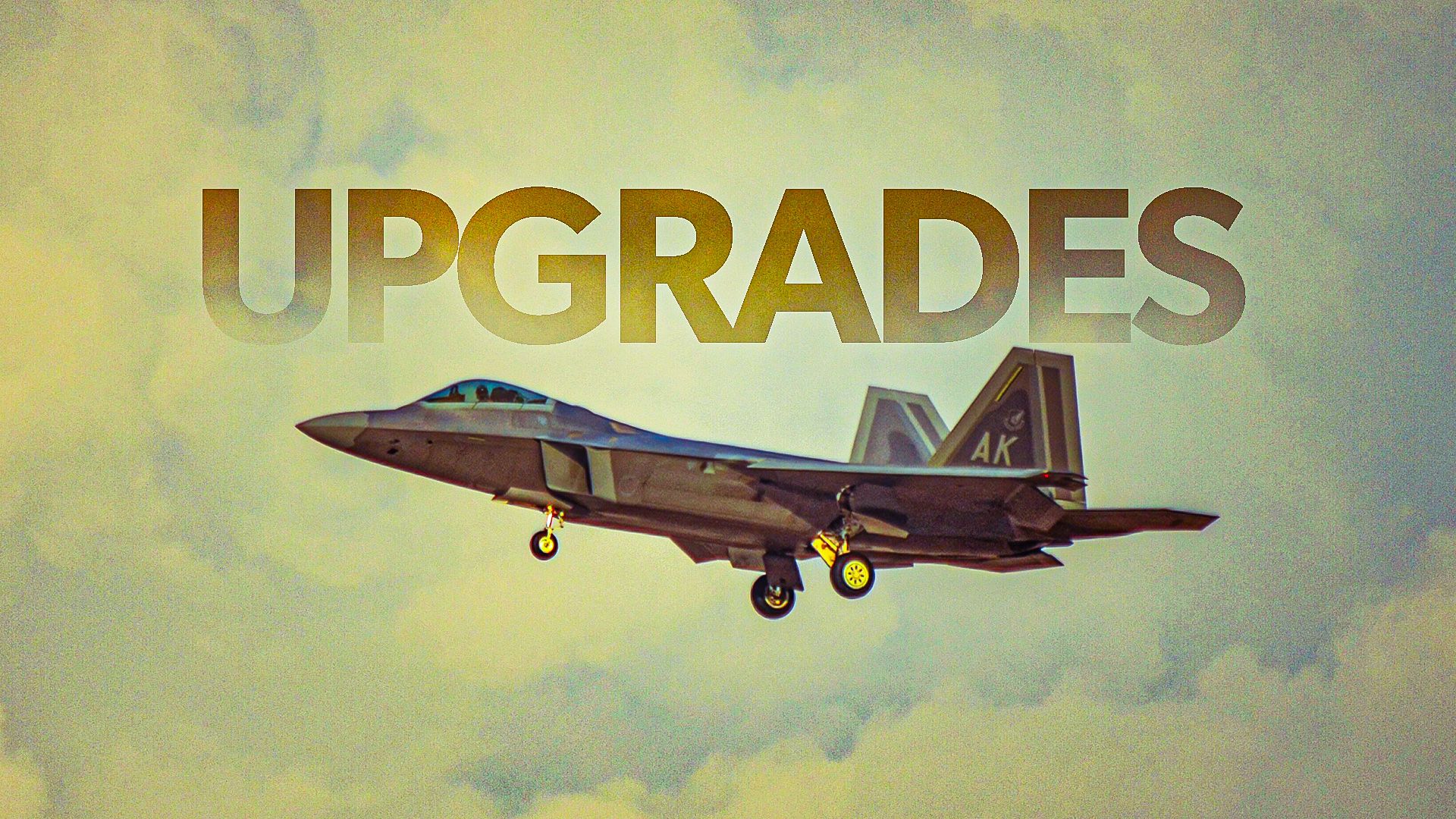
| F-22 Raptor | Stealth air superiority | 2005 | Sensors, software, weapons | Small fleet and closed architecture |
| F-35 Lightning II | Stealth multirole | 2015 | Software (Block 4), sensors | Software complexity |
| KC-46 Pegasus | Aerial refueling | 2019 | Refueling systems, defenses | Technical integration |
| Boeing VC-25B (Air Force One) | Presidential transport | New build | Secure comms, survivability | Evolving requirements |
The B-52 radar modernization program illustrates the intersection of these challenges. The initiative aims to replace the bomber’s mechanically scanned radar with a modern active electronically scanned array (AESA). This upgrade is crucial for enhancing situational awareness and targeting accuracy while reducing maintenance demands.
Air Force Global Strike Command has emphasized the operational value of ongoing upgrades, asserting that modernized systems will significantly improve mission effectiveness and longevity across multiple mission sets.
Analysts have pointed out that the complexities surrounding the replacement of Air Force One, the VC-25B, stem from high-security requirements and production challenges faced by Boeing. The new aircraft are now projected to enter service several years later than initially planned, with total program costs continuing to rise.
Across the defense aviation sector, experts assert that the difficulties experienced are typical for modern military aircraft development. The integration of advanced technology, alongside rigorous testing and certification processes, means that even minor changes can lead to cascading delays.
Balancing Upgrades and Operational Needs
Retiring older aircraft and replacing them with new designs is one alternative that has been considered. However, analysts generally agree that this approach would be more expensive and time-consuming than upgrading existing platforms. Developing and deploying a new military aircraft often spans decades. For example, the B-21 Raider stealth bomber has been in development for years, and it will still require time to achieve full operational capability.
During this transition period, the Air Force must maintain reliable aircraft to meet mission demands, which reinforces the necessity of upgrading existing platforms. Discussions about reducing mission requirements have arisen, particularly regarding Air Force One. However, analysts argue that the aircraft’s role as a flying command center necessitates robust secure communications and nuclear-hardened systems, making significant reductions unrealistic.
The cost and time implications of various options include:
– Upgrade existing aircraft: Medium cost, medium time to field, moderate program risk.
– Build new aircraft: Very high cost, very long time to field, high program risk.
– Reduce mission requirements: Lower upfront cost, shorter time to field, operational risk.
Compared to other nations, the USAF’s approach may seem conservative but is deemed practical. Allied countries also face the challenge of extending airframe life while selectively upgrading systems.
Aircraft upgrades inherently carry risks. Integrating modern systems into older airframes can reveal unforeseen issues, such as electromagnetic interference or power limitations. As program officials have noted, many of these problems surface during testing, often necessitating redesigns and subsequent delays.
The reliance on aging platforms also presents strategic risks. Although the B-52 is expected to remain operational into the **2050s**, its lack of stealth features found in newer bombers poses vulnerabilities in high-end conflicts.
As observers monitor the modernization process, the crucial question remains whether ongoing delays will impact operational readiness. The Air Force has managed to balance modernization with mission demands thus far, but as aircraft age and upgrade timelines extend, this balance may become increasingly tenuous.
The overarching narrative of the USAF’s aircraft modernization efforts reflects a commitment to maintaining operational capability while navigating the complexities of aging fleets, budget constraints, and advanced technological requirements. Programs like the B-52 radar upgrade exemplify how strategic investments can ensure older aircraft remain relevant. Meanwhile, delays in high-priority projects like Air Force One underscore the challenges inherent in adapting to modern military demands. As the USAF moves forward, incremental upgrades and calculated trade-offs will continue to define its modernization journey.