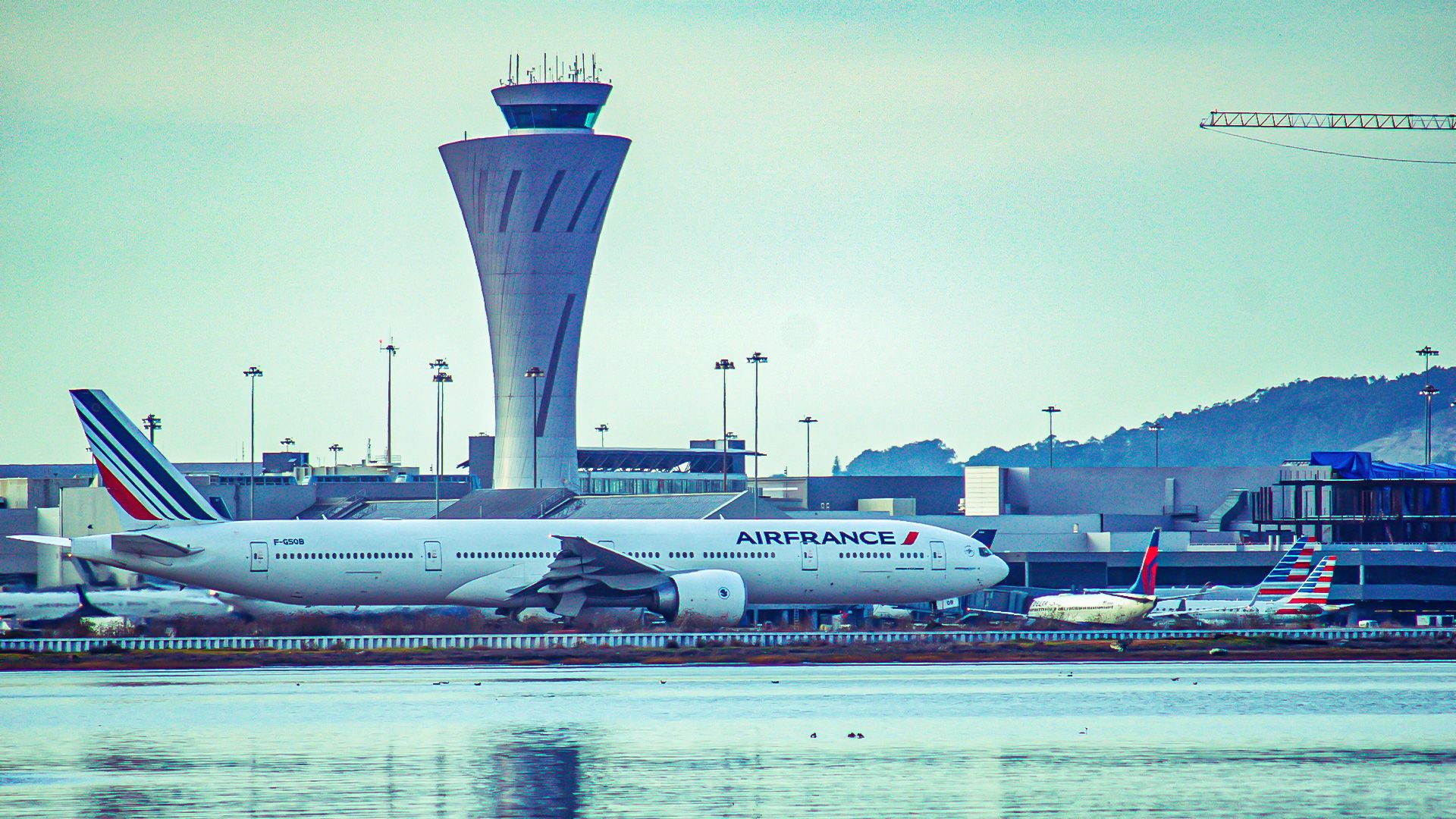
The United States is taking significant steps to modernize its air traffic control (ATC) system, which has struggled to keep pace with the increasing demands of air travel. The Department of Transportation (DOT) and the Federal Aviation Administration (FAA) have awarded a contract valued at up to $32.5 billion to Peraton, aiming to revamp outdated equipment and improve operational efficiency. This initiative is particularly vital as flight delays and airport capacity issues have become commonplace, affecting airlines and passengers alike.
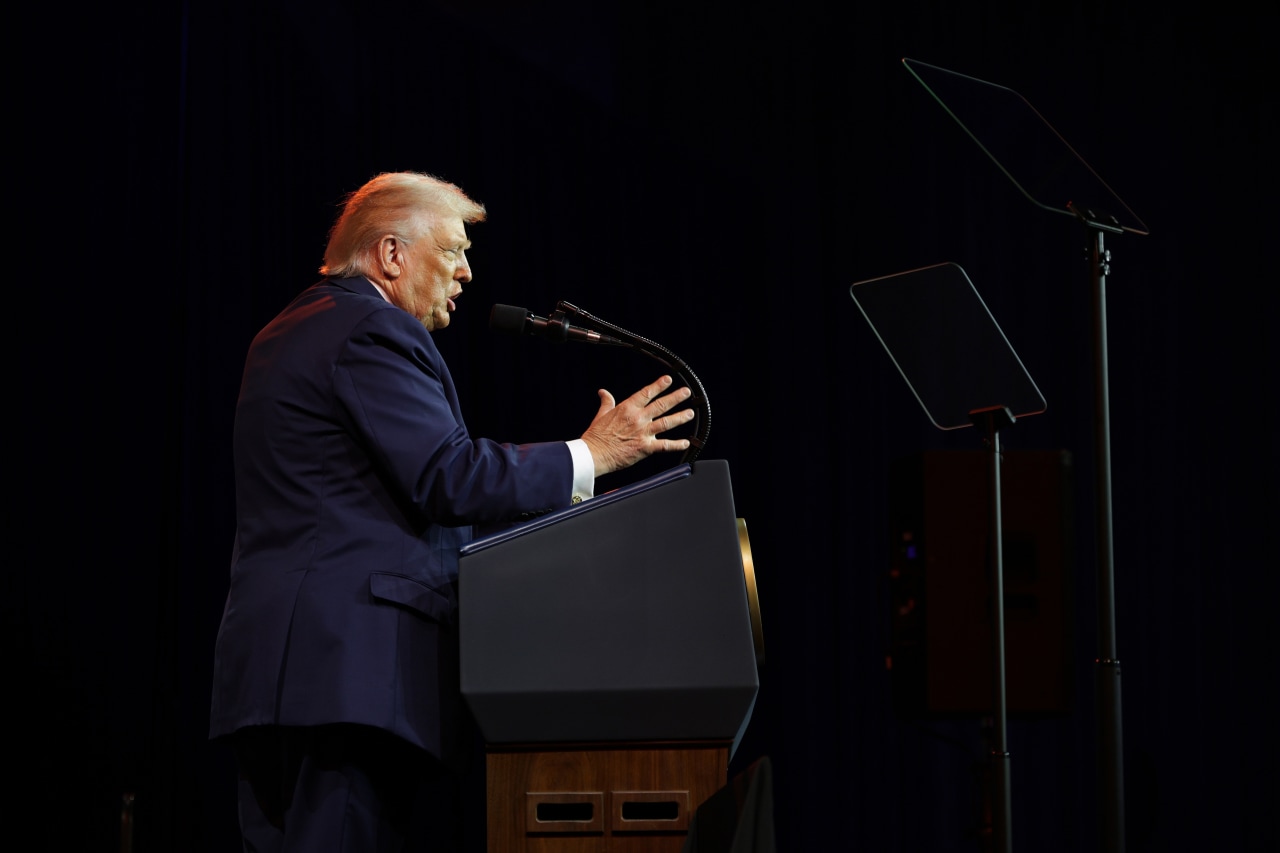
The contract designates Peraton as the “Prime Integrator” for this large-scale modernization effort, a role that involves overseeing the planning and implementation of new technology across the country. Secretary of Transportation Sean Duffy and FAA Administrator Brian Bedford have expressed confidence that the project will be completed by the end of 2028, with an initial down payment of $12.5 billion already allocated from previous federal funding initiatives.
Scope of the Modernization Project
The modernization project is poised to replace aging infrastructure that has hampered air traffic operations. According to the FAA, 2025 saw three times the average flight delay minutes due to ATC equipment failures compared to the years from 2010 to 2024. Numerous incidents, such as the blackouts at the Philadelphia TRACON facility, have highlighted the pressing need for upgrades. These failures have been attributed to outdated technology, including malfunctioning copper wiring.
The comprehensive upgrade plan includes the installation of 5,170 high-speed network connections, 27,625 new radios, and 612 upgraded radar systems. These enhancements aim to streamline communications and improve the safety of air travel. The FAA’s initiative also focuses on expanding ATC capabilities, incorporating new weather stations in Alaska and a consolidated Air Route Traffic Control Center, which will further bolster operational efficiency.
Challenges and Expectations
Despite the ambitious timeline, some industry experts remain skeptical about meeting the 2028 deadline. Retired air traffic controller Steve Meitz expressed concerns, noting that the FAA has a mixed track record with similar projects. “I hope to live long enough to see this come to fruition. Three years is a pipe dream,” he remarked, referring to the complexity involved in such a significant overhaul.
The role of Peraton as the prime integrator marks a departure from traditional practices where the FAA would oversee major projects. This shift emphasizes the need for effective coordination between federal agencies and private contractors. An executive committee of DOT and FAA officials will monitor the project’s progress, evaluating Peraton’s performance to ensure timely completion.
Funding remains a critical aspect of the project. While initial funding is secured, approximately $20 billion will require Congressional approval for future phases. Delays in funding could impact the overall timeline and the ability to execute planned upgrades effectively.
In addition to the technological improvements, the industry faces ongoing challenges related to staffing. The FAA has announced plans to hire 8,900 controllers by 2028, addressing the understaffed air traffic control towers that have contributed to delays. The agency is also exploring enhanced training programs at select universities to help meet this demand.
As the United States embarks on this critical modernization initiative, the focus will not only be on upgrading equipment but also on ensuring the long-term sustainability and safety of its air traffic system. With the stakes high and the eyes of the aviation world watching, the success of this project could redefine the future of American air travel.