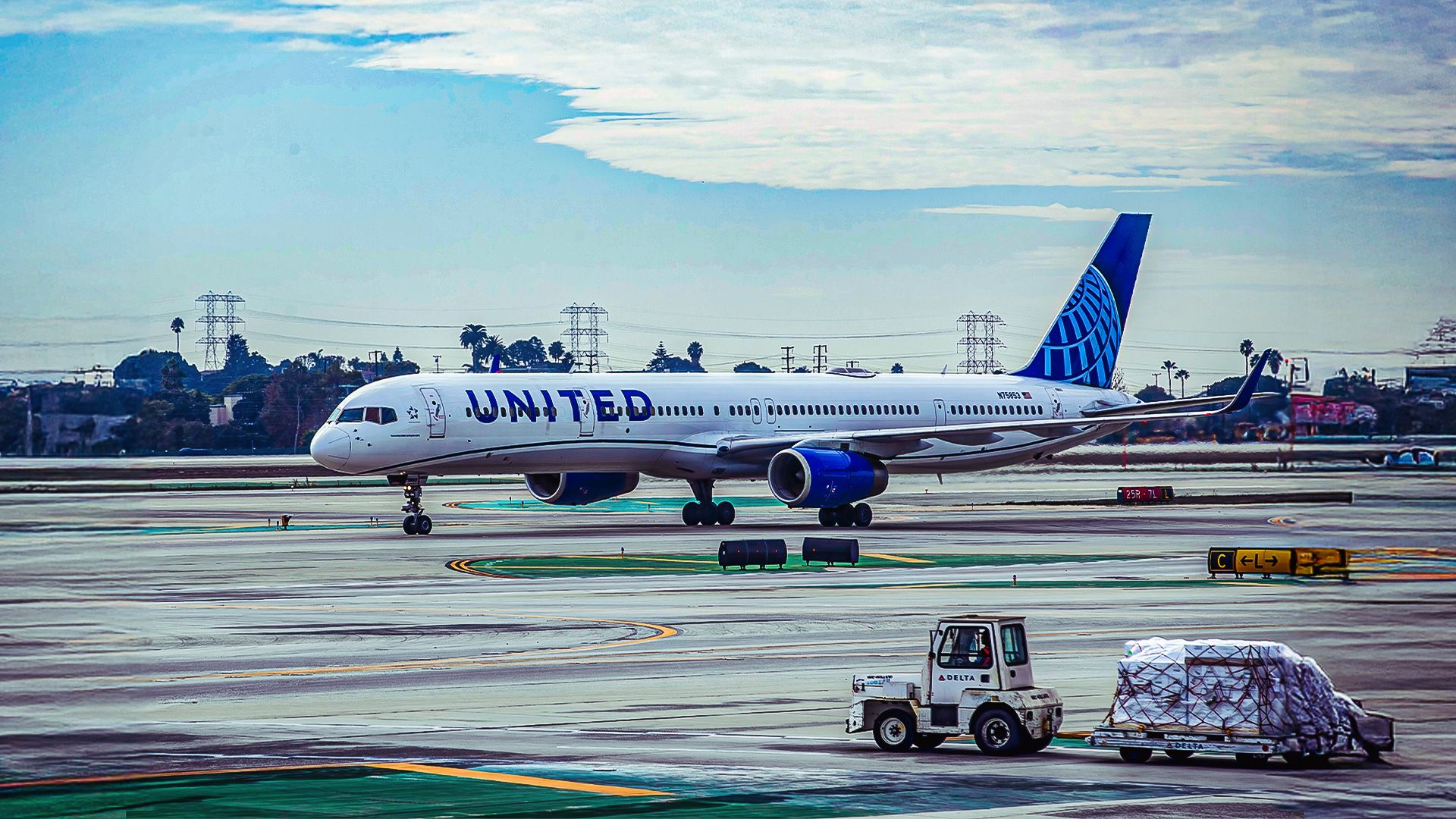
The Association of Flight Attendants (AFA-CWA) has rejected an offer from United Airlines that would position its 30,000 flight attendants among the highest paid in the industry. The main sticking point remains the issue of ground pay, with the union advocating for compensation for all hours worked, rather than just the time the aircraft is in motion.
Currently, flight attendants are compensated only after the aircraft doors close, which excludes check-in times, briefings, and unexpected delays. This compensation structure has sparked ongoing debates across major airlines, including United, which has faced criticism for not addressing the concerns of its crew effectively.
Five Years Without a Raise
According to an analysis by travel industry expert Gary Leff, United Airlines flight attendants have not received significant pay increases for the past five years. This stagnation is largely attributed to continuous rejections of the contracts negotiated by the union. AFA-CWA insists that flight attendants deserve pay for every hour they are on duty, not just while the plane is airborne.
A potential compromise, referred to as “sit pay,” has been proposed, which would compensate attendants for the time spent between flights. However, this suggestion has met resistance from the union, as it is proposed under a preferential bidding system (PBS). The PBS, already adopted by several major U.S. carriers, including American Airlines and Delta Air Lines, is seen as a method to enhance efficiency but has not found favor with the union’s membership.
Concerns Over Working Conditions
Flight attendants are voicing deeper concerns beyond salary, including issues related to accommodations during layovers. Recently, a significant majority—71%—of union members rejected the latest contract proposal, prompting the union to return to negotiations. Members are eager for a solution that adequately addresses their compensation and overall working conditions.
In recent discussions, United Airlines has indicated a willingness to explore ground pay options. However, the airline stated this would not result in increased standard pay, as it already offers competitive wages. Instead, any introduction of ground pay would likely lead to reduced guaranteed hours, decreasing from 78 to 75, which could phase out reserve overrides.
The current industry practice generally compensates flight attendants only while the aircraft is in motion, a system enshrined under the Railway Labor Act. This arrangement has been in place for decades, facilitating airlines’ cost management but leaving crew members dissatisfied with their pay structure. While some airlines do provide boarding pay or daily guarantees, it is not uniform across the industry.
As negotiations continue, the future of flight attendants’ pay and working conditions at United Airlines remains uncertain. The outcome will depend on the union’s ability to advocate effectively for its members and on whether the airline can find a path that satisfies the demands of its workforce.