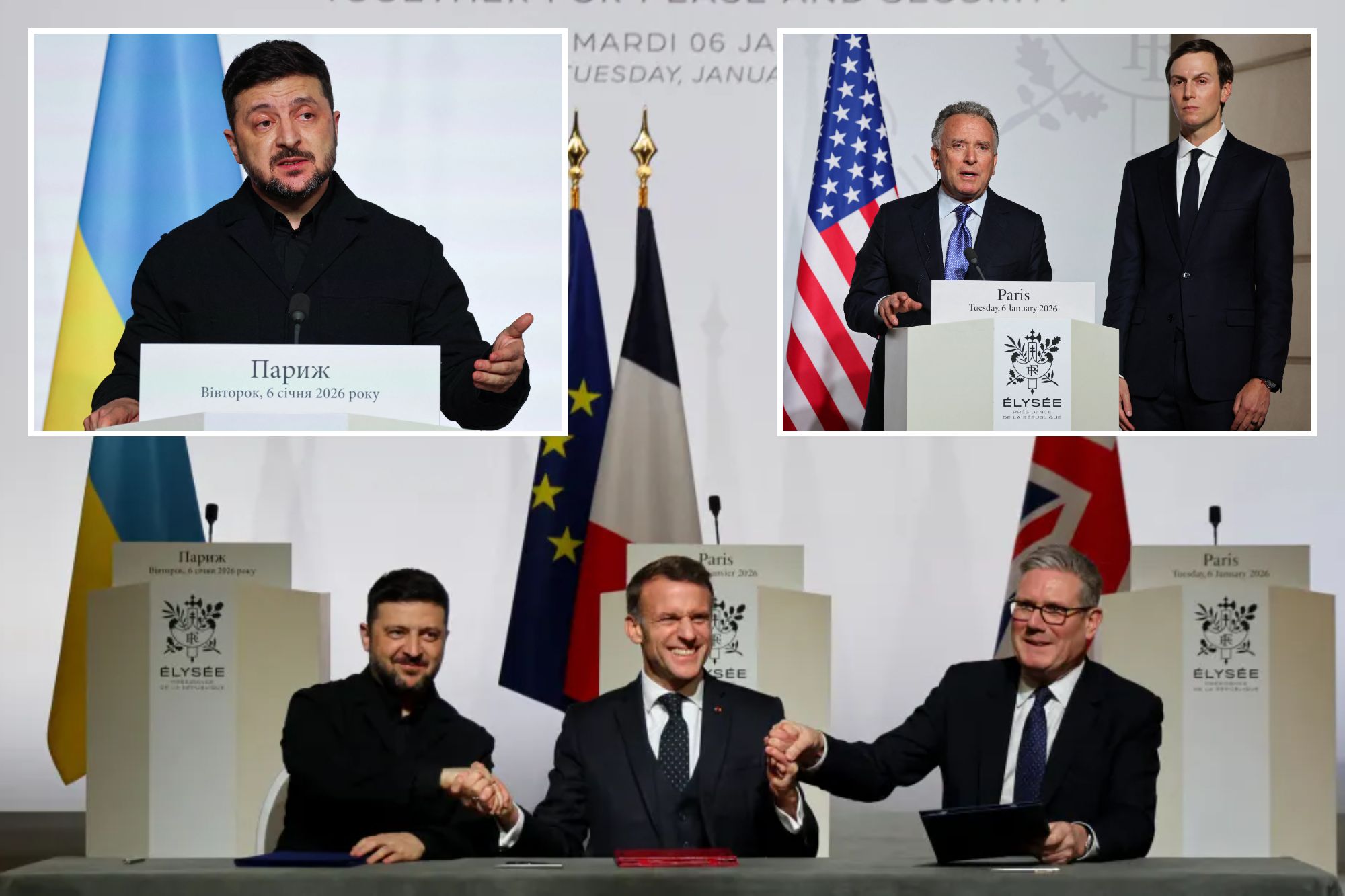
Ukraine’s allies announced a significant agreement on March 15, 2024, aimed at providing the country with multilayered international defense guarantees as part of a strategy to address the ongoing invasion by Russia, which has persisted for nearly four years. During a crucial meeting held in Paris, representatives from various European nations, Canada, the United States, and top officials from the European Union and NATO outlined their commitment to support Ukraine’s military efforts.
Leaders emphasized that they would supply Ukraine’s front-line forces with essential equipment and training, while also pledging comprehensive air, land, and sea support to deter any future Russian aggression. Although the size and specific details of the supporting forces remain undisclosed, the meeting marked a pivotal step in solidifying international backing for Ukraine.
Progress Amid Ongoing Conflict
UK Prime Minister Keir Starmer described the discussions in Paris as showing “excellent progress,” yet he acknowledged the challenges that lie ahead, particularly as Russian attacks continue against Ukrainian targets. Starmer noted that allies would participate in US-led monitoring and verification of any potential cease-fire, while also committing to long-term military support for Ukraine.
Ukrainian President Volodymyr Zelensky expressed optimism about the outcomes of the talks, highlighting that countries involved had begun to outline their roles in ensuring security on the ground, in the air, and at sea. “We determined what forces are needed,” he stated during a press conference. However, he emphasized that these commitments must be ratified by each participating nation before they can be effectively implemented.
The situation remains complex, particularly as Russian officials continue to assert that any cease-fire is contingent on a comprehensive settlement. President Vladimir Putin has firmly ruled out the deployment of NATO troops on Ukrainian soil, complicating the peace process further.
Military Support and Future Commitments
The joint statement issued by the allies confirmed their intention to provide sustained military assistance and armament to Ukraine, which will serve as “the first line of defense and deterrence” following any peace agreement. French President Emmanuel Macron characterized the security guarantees as a “significant step” toward ending the conflict.
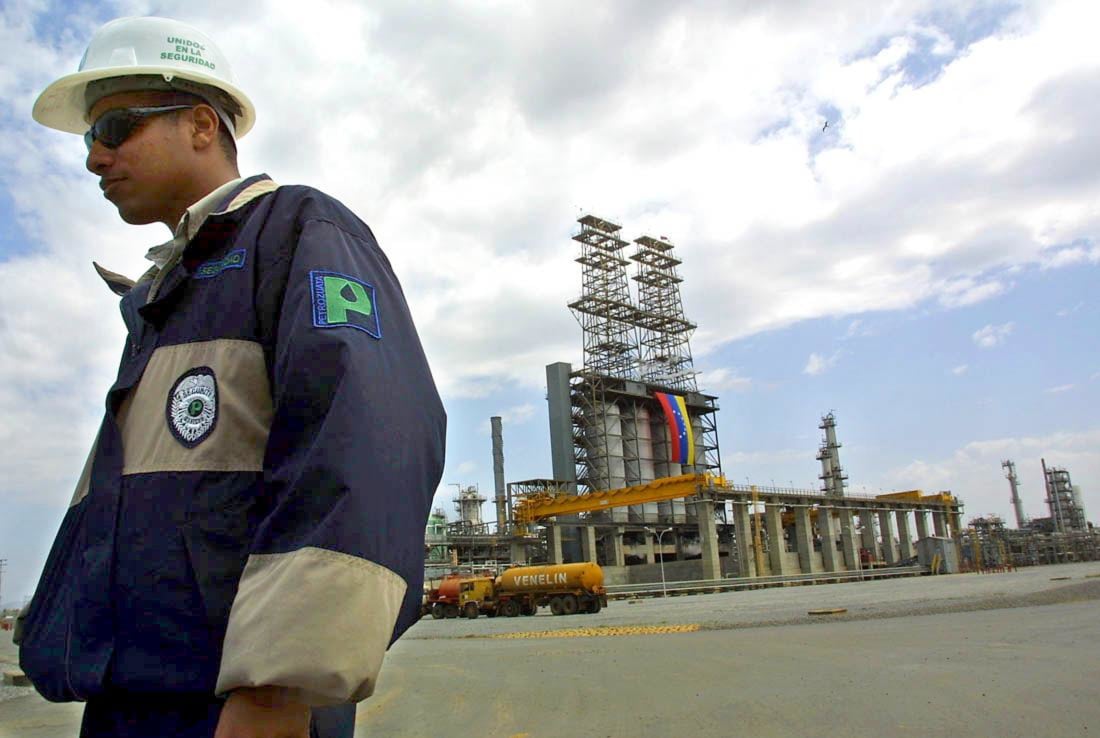
Negotiations, however, are fraught with uncertainty. The ongoing military operations in Venezuela by the US have shifted focus and raised concerns among allies about the potential impact on support for Ukraine. The meeting in Paris saw participation from an unprecedented number of officials, including 27 heads of state, which underscores the urgency and complexity of the diplomatic efforts underway.
Zelensky highlighted that while some countries are ready to commit forces, many still face hurdles that require legislative approval for military support. “Not everyone is ready,” he noted, reinforcing the need for a unified approach. He added that support could also come in the form of technology and intelligence, rather than just troop deployments.
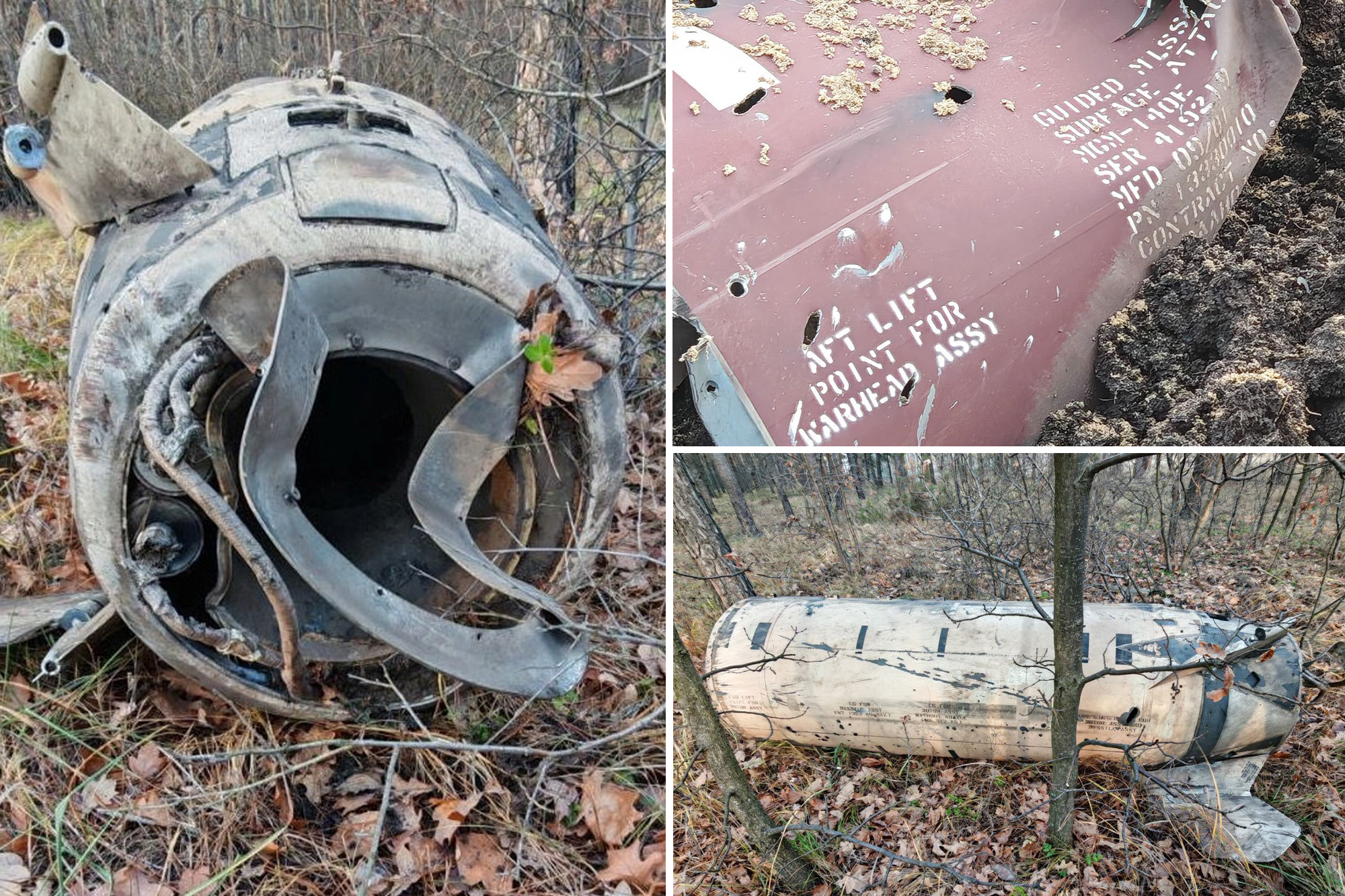
In the backdrop of these discussions, Ukraine’s Security Service (SBU) conducted drone strikes targeting military assets within Russia, indicating the ongoing hostilities. Reports suggest that the strikes hit a military arsenal in the Kostroma region and an oil depot in the Lipetsk region, resulting in significant damage and prolonged explosions.
The outcomes of the Paris meeting are crucial as the allies work to finalize binding commitments that will dictate their future support for Ukraine in the event of renewed Russian aggression. The path to a stable resolution remains uncertain, yet the diplomatic efforts reflect a concerted push for a cohesive and effective response to the ongoing crisis.