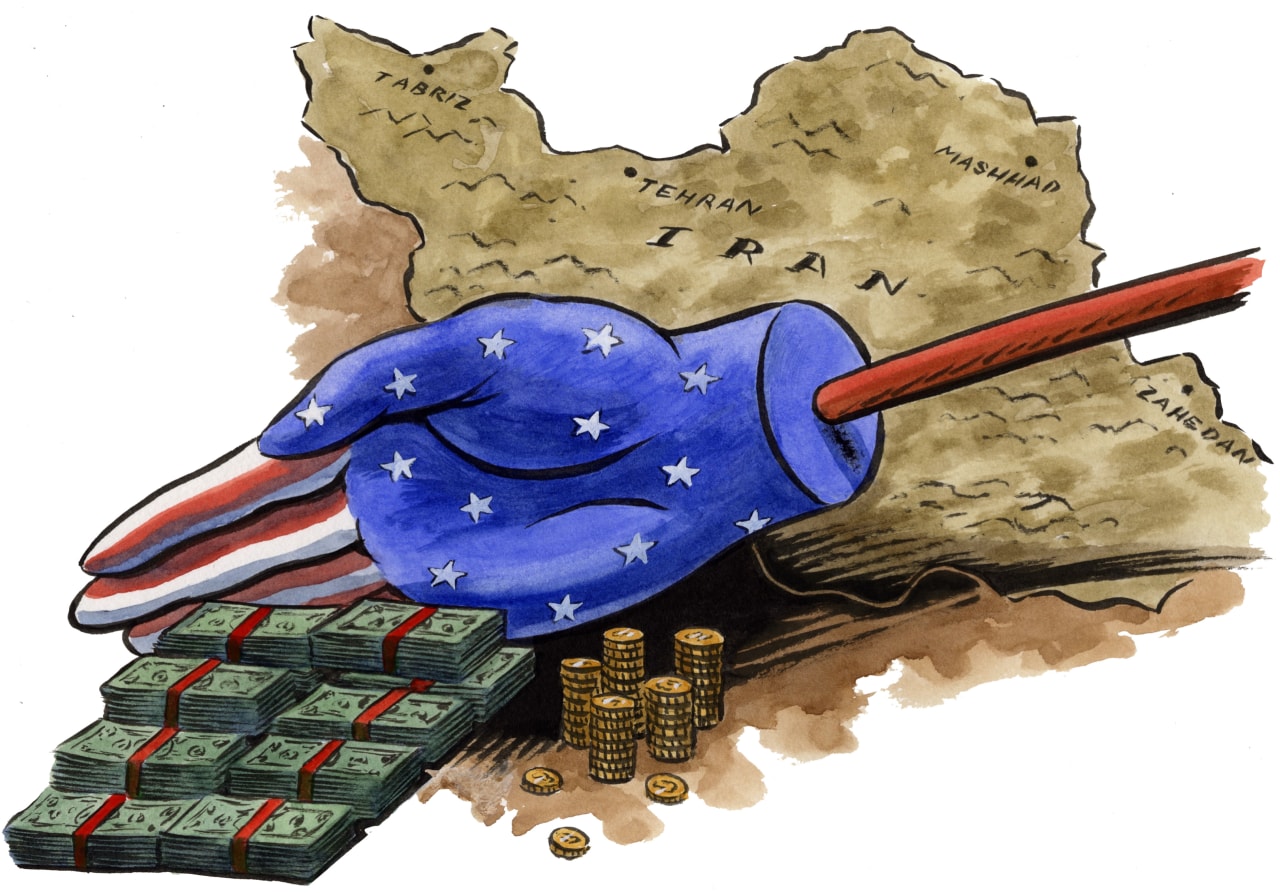
The United States is intensifying efforts to disrupt Iran’s covert financial operations, particularly through shadow banking institutions based in Dubai. These financial entities play a crucial role in enabling Tehran to bypass international sanctions, allowing it to sustain its economy despite economic pressure.
This initiative comes as the U.S. government seeks to enforce sanctions more effectively, particularly those targeting Iran’s oil and banking sectors. According to the U.S. Treasury Department, Iranian financial institutions utilize networks in Dubai to facilitate transactions that would otherwise be blocked. This has allowed Iran to generate significant revenue, particularly from oil exports, which are vital for its economy.
The Central Bank of Iran has reportedly established numerous connections with Dubai-based banks, which act as intermediaries for transactions involving Iranian entities. This setup has made it difficult for regulatory bodies to track and curb these financial activities. The Financial Action Task Force (FATF) has previously highlighted the challenges posed by such shadow banking systems in combating money laundering and terrorism financing.
U.S. officials have stated that without direct engagement with these financial institutions, efforts to enforce sanctions may be weakened. In a statement made on July 8, 2023, a senior Treasury official emphasized that the U.S. has the necessary tools to target these networks effectively. “We cannot allow Iran to exploit these institutions to evade sanctions,” the official said, underlining the urgency of the situation.
The European Union and the United Nations have also expressed concerns about Iran’s financial activities in Dubai. Joint efforts are being called for to enhance surveillance and impose stricter regulations on banks that facilitate Iranian transactions. The implications of these financial maneuvers are significant, as they not only affect Iran but also have repercussions for international relations and regional stability.
In response to these developments, Dubai’s financial sector is under increased scrutiny. Authorities are being urged to implement measures that would enhance transparency and mitigate the risks associated with shadow banking. The need for cooperation between the U.S. and Dubai is critical, as the latter serves as a major hub for international finance.
As the situation unfolds, the impact on Iran’s economy remains to be seen. The U.S. aims to reassert its influence and ensure compliance with global sanctions, but the complexity of international finance may pose challenges. The ongoing dialogue between various stakeholders will be crucial in determining the effectiveness of these new strategies.
In summary, the U.S. is taking decisive steps to target Iran’s shadow banking operations in Dubai. This move reflects a broader commitment to enforce sanctions and curb illicit financial activities. The response from both local and international authorities will play a pivotal role in shaping the future of these efforts.