U.S. crude oil prices have surpassed $100 per barrel as of October 8, 2023, driven by the ongoing conflict between the United States, Israel, and Iran. The surge comes despite efforts by the Trump administration and allied nations to rein in rising oil prices. As trading resumed at 18:00 ET, U.S. crude jumped more than 2%, reaching approximately $102 per barrel. The international benchmark, Brent crude, also saw significant gains, rising to $106 per barrel.
On October 4, the International Energy Agency (IEA), comprised of 32 member countries, unanimously agreed to release a historic 400 million barrels of oil from strategic reserves. This decision was aimed at stabilizing market conditions, with hopes that it would lower prices. Following the announcement, oil prices briefly dropped below $80 per barrel, only to rebound and continue their upward trajectory. Since the conflict began, U.S. oil prices have surged nearly 50%, with a year-to-date increase of approximately 75%.
Retail gasoline prices have also soared, with the national average price for unleaded gas reaching around $3.70 per gallon on October 8, a rise of about 70 cents since military actions escalated in the region. The conflict has raised concerns regarding the security of oil supply routes, particularly with retaliatory Iranian attacks targeting shipping infrastructure and ports vital for oil tanker transit.
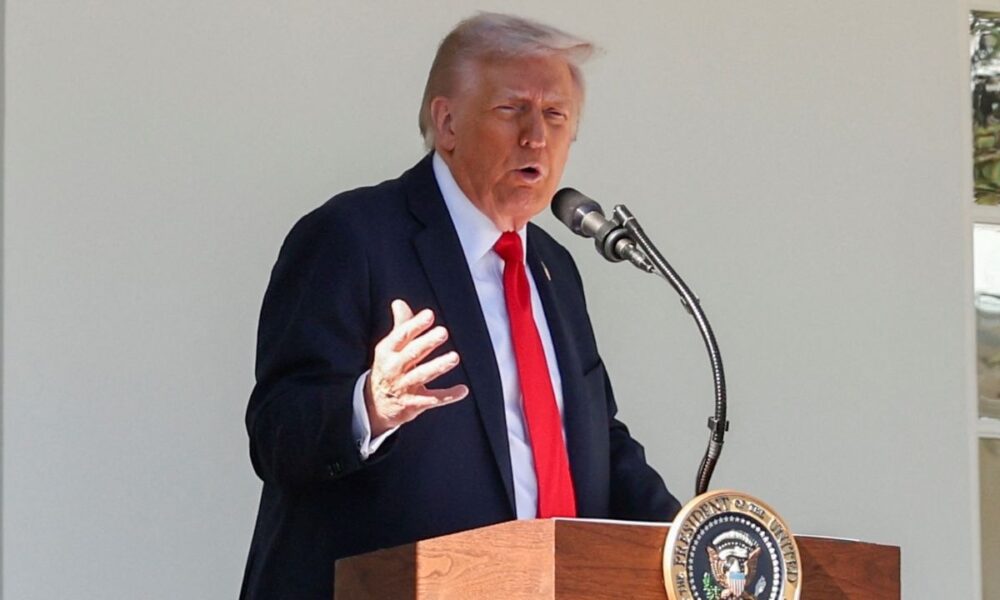
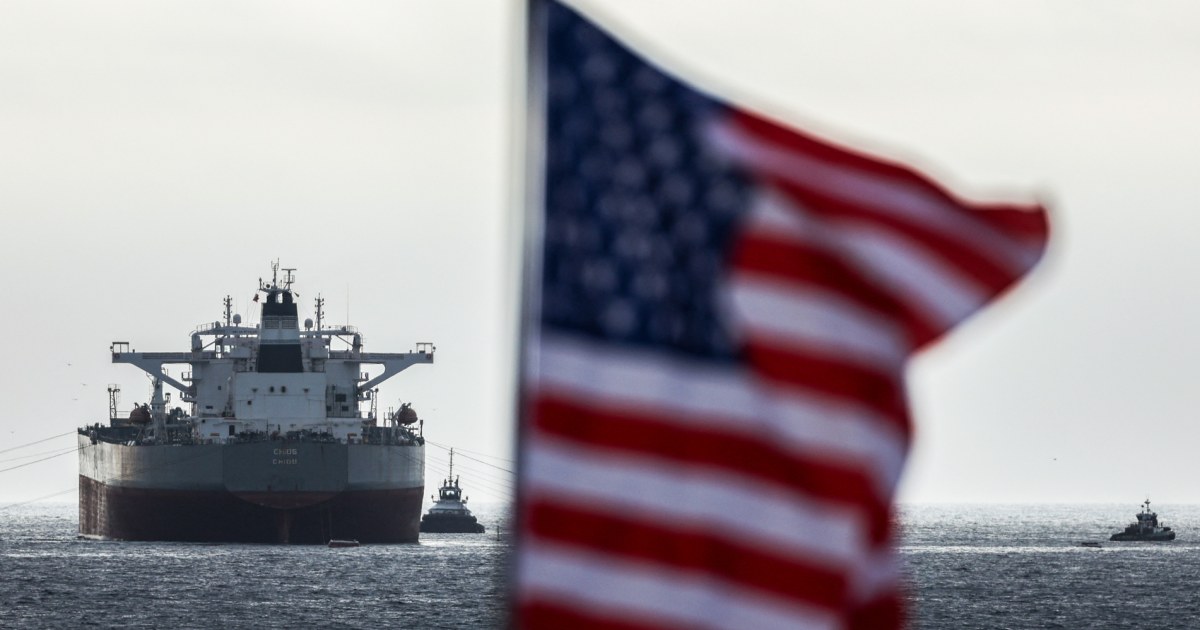
The Strait of Hormuz, a critical passage through which over 20% of the world’s oil supply is transported, remains a focal point of concern. Tensions in the region have led to fears that the conflict may evolve into a prolonged regional war. This situation has prompted the U.S. to intensify military operations, including strikes on Kharg Island, a key Iranian export hub responsible for approximately 90% of the country’s oil exports. In a recent interview, former President Donald Trump stated, “We may hit Kharg Island a few more times, just for fun,” asserting that these strikes would not disrupt the island’s oil infrastructure.
The U.S. administration has suggested the possibility of deploying naval escorts to protect oil tankers, although specific details remain scarce. Energy Secretary Chris Wright indicated that it may take several weeks before such military support could be implemented. During a recent appearance on NBC’s “Meet the Press,” Wright confirmed the current dangers in the Strait of Hormuz, stating, “No, no, it is not [safe].”
Market analysts warn that the $100 per barrel threshold could be just the beginning of further price increases. Industry expert Andy Lipow noted that the psychological barrier of $100 might only be a stepping stone toward even higher prices, particularly if the conflict continues to disrupt oil production and shipping operations.
Until a resolution is reached, elevated oil prices are likely to persist, impacting consumers and economies globally. The ongoing situation underscores the intricate relationship between geopolitical tensions and energy markets, highlighting the need for stability in key trading routes such as the Strait of Hormuz.