As the conflict in Iran escalates into its third week, the United States is deploying additional military forces from the Pacific region. This move raises significant concerns regarding military preparedness, international alliances, and economic stability. The ongoing war, characterized by U.S. and Israeli airstrikes against Iranian targets, has drawn in resources, further complicating America’s strategic focus on the Pacific.
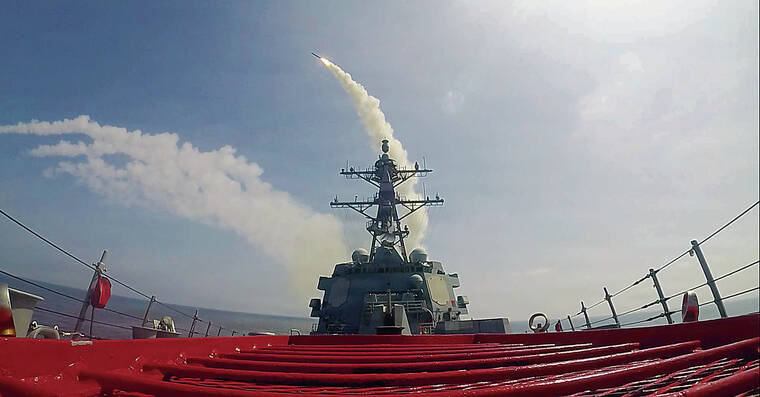
The U.S. military has intensified its involvement, with at least two Navy vessels based in Hawaii actively participating in the conflict. Notably, the Arleigh Burke-class destroyer USS Frank E. Petersen Jr. launched missiles into Iran shortly after the conflict began on February 28, 2024. Additionally, on March 4, the USS Charlotte, a submarine from Pearl Harbor, became the first U.S. submarine since World War II to sink an enemy ship, successfully torpedoing the Iranian warship IRIS Dena off the coast of Sri Lanka.
This military engagement has prompted U.S. Indo-Pacific Command (INDOPACOM) to reevaluate its resources and alliances. The command has been closely monitoring increased military cooperation among China, Russia, and North Korea, alongside rising tensions in areas such as Taiwan and the South China Sea. Chinese President Xi Jinping has reportedly directed his military to prepare for a potential invasion of Taiwan by 2027.
In response to the intensifying conflict, the U.S. is reallocating military assets from Asia. Reports indicate that components of the THAAD missile defense system stationed on the Korean Peninsula are being relocated to the Middle East. This adjustment follows an Iranian strike that damaged a THAAD radar system in Jordan, valued at approximately $300 million. South Korean President Lee Jae-myung confirmed during a cabinet meeting that there is ongoing debate regarding the movement of U.S. military supplies out of Korea.
The USS Tripoli, an amphibious assault ship based in Japan, and the 31st Marine Expeditionary Unit, equipped with F-35 stealth jets and V-22 Osprey aircraft, are also headed to the Middle East. When inquired about potential deployments of Marines in Hawaii, a Pentagon spokesperson emphasized operational security, refraining from providing further details.
U.S. Senator Mazie Hirono, who serves on the Senate Armed Services Committee, criticized the military engagement, stating, “Trump’s illegal war of choice with Iran is raising costs for Americans, endangering our national security, and impacting our readiness in the Indo-Pacific, all without a clear rationale or plan.”
The operational strain on U.S. military resources is becoming increasingly evident. Analysts warn that the conflict’s demands are depleting vital munitions, which could hinder the U.S. military’s readiness in the Asia-Pacific region. Denny Roy, a research fellow at the East-West Center, highlighted concerns among countries that depend on U.S. military protection. He noted, “The depletion of U.S. armaments in the Iran conflict could affect U.S. involvement in a potential Asia-Pacific contingency.”
U.S. military leaders have expressed concern that the heavy use of munitions and resources in various global conflicts—such as the ongoing resistance in Ukraine and the current operations in the Middle East—could leave the Pacific vulnerable in the event of a crisis. During a recent event at the Brookings Institution, Admiral Samuel Paparo, who oversees U.S. Pacific forces, acknowledged the rapid depletion of missile defense and long-range attack inventories.
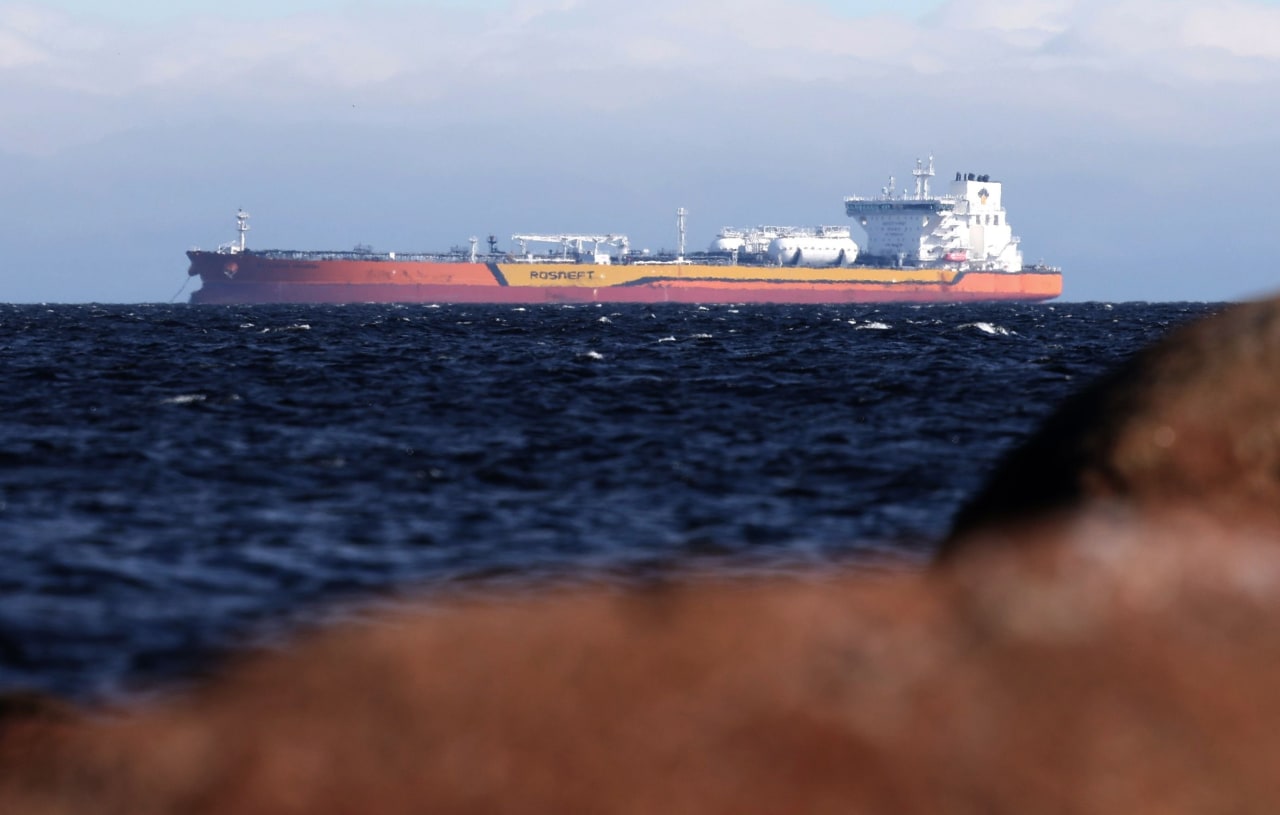
The economic ramifications of the Iran war are also becoming increasingly pronounced, particularly in the Pacific. Iranian forces, in retaliation for the U.S. and Israeli bombings, have targeted crucial oil infrastructure, effectively disrupting the Strait of Hormuz, a vital artery for global oil supplies. This disruption has led to heightened anxiety among America’s Pacific allies, as energy markets experience volatility and uncertainty.
Countries such as Japan and South Korea, which rely heavily on oil imports from the Strait, are particularly vulnerable. Japan sources approximately 90% of its oil through this route, while South Korea obtains around 70%. Although both nations maintain substantial strategic reserves—capable of covering several months of consumption—the persistent elevation in oil prices poses a threat to their economies.
The situation is more precarious for Southeast Asian nations, which depend heavily on oil imports from the Middle East. The Philippines, for instance, relies on the Persian Gulf for 96% of its oil. Economic experts like Roland Rajah from the Lowy Institute in Sydney have warned that Pacific island nations, which are often dependent on imports, will face significant challenges due to the rising costs of essential commodities, including food and energy.
The aftermath of the sinking of the IRIS Dena has sparked intense debates across the Indo-Pacific region. Sri Lankan naval forces were involved in recovering casualties and rescuing survivors after the incident. The sinking has raised questions regarding the implications of U.S. military actions on international relations, particularly concerning India’s recent participation in a multinational naval exercise with the Iranian ship.
Iranian officials have condemned the sinking, labeling it an “atrocity at sea.” In contrast, INDOPACOM has maintained that the vessel was armed and that U.S. forces acted in alignment with international law during the rescue operations. Conflicting reports regarding whether the USS Charlotte issued a warning to the Dena’s crew prior to the attack have further complicated the narrative, with some sources suggesting warnings were ignored while others assert no warning was given.
As the conflict unfolds, the ripple effects of the war in Iran are felt far beyond its borders. The shifting dynamics of U.S. military presence, economic repercussions, and the precarious state of alliances in the Pacific present a complex landscape that will require careful navigation in the weeks and months ahead.