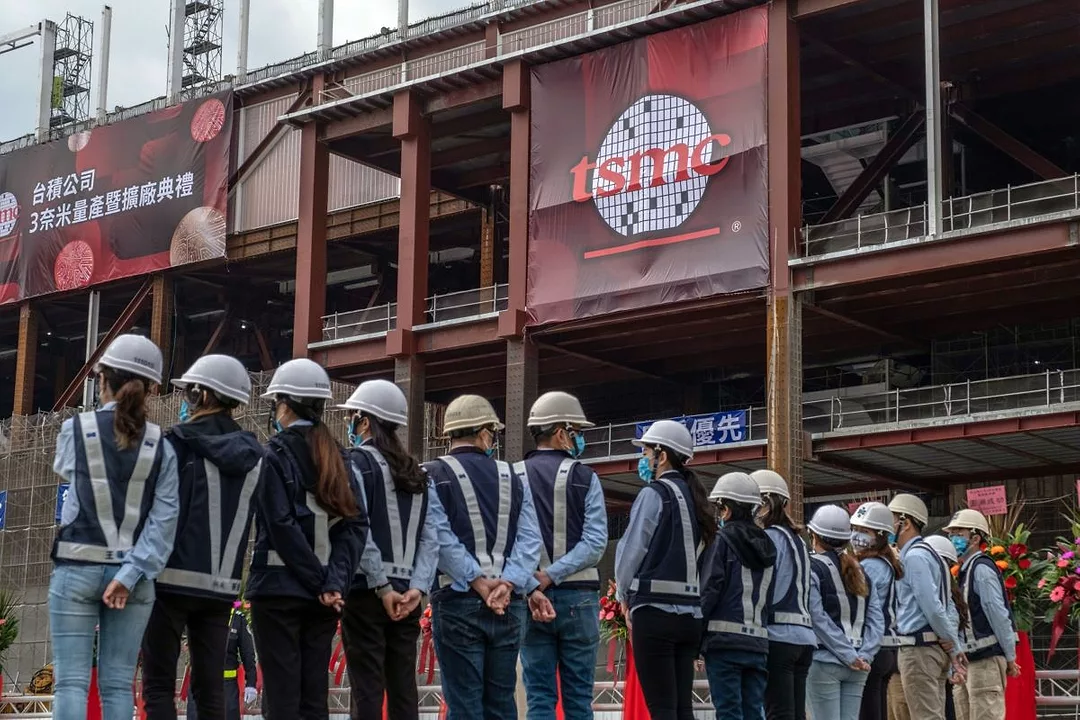
The United States and Taiwan have reached a significant trade agreement that focuses on the semiconductor industry. Announced on January 15, 2025, the deal involves a commitment to invest $250 billion in semiconductor and technology manufacturing in the U.S. This investment will be made in exchange for lower tariffs on imports from Taiwan, a critical player in the global technology supply chain.
Negotiations that led to this agreement spanned over nine months. The Taiwanese delegation, led by Vice Premier Cheng Li-chiun and chief trade representative Yang Jen-ni, visited Washington D.C. six times since April 2025 to finalize the details. The White House has described the agreement as a means of “restoring American semiconductor manufacturing leadership,” highlighting the importance of this industry to both nations.
Taiwanese officials now face the challenge of garnering support for the deal domestically. Concerns have emerged that reallocating resources to bolster chip manufacturing in the U.S. could undermine Taiwan’s own semiconductor sector. This industry is not only crucial to Taiwan’s economy but also serves as a strategic defense against potential threats from China, which claims Taiwan as part of its territory.
From the perspective of the U.S., Taiwan’s dominance in advanced semiconductor manufacturing creates vulnerabilities in its economy amid shifting geopolitical landscapes. According to Taiwanese officials, the U.S. has one of the largest trade deficits with Taiwan, primarily due to chips and electronics, which account for 90% of this deficit.
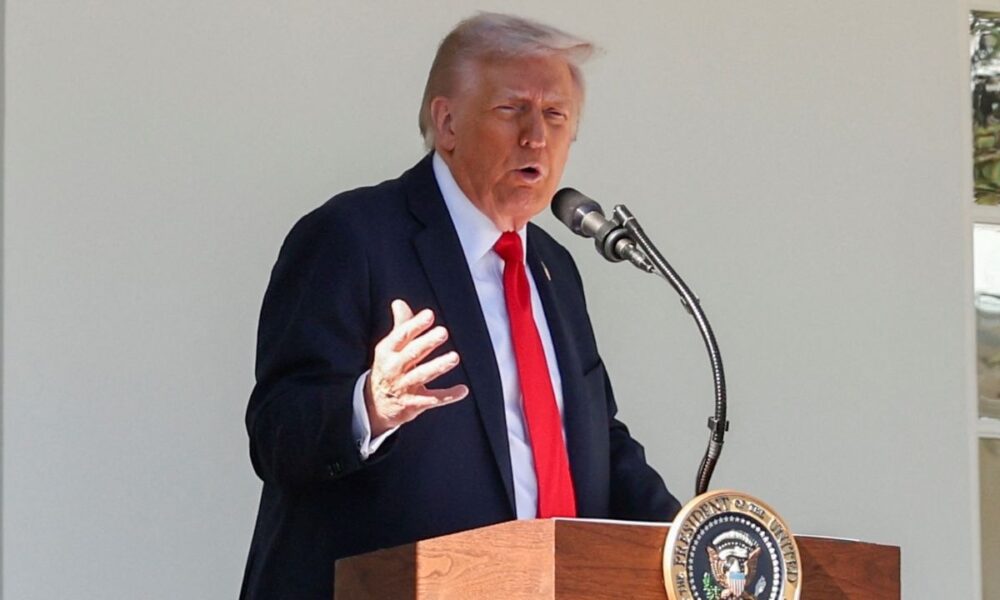
In a television interview on the day of the announcement, Howard Lutnick, the U.S. Secretary of Commerce, emphasized the importance of domestic semiconductor production, stating, “We are going to bring it all over so that we become self-sufficient in the capacity of building semiconductors.”
The agreement also includes provisions for Taiwan’s government to offer an additional $250 billion in credit guarantees aimed at supporting smaller firms within the chip supply chain as they expand operations in the United States. In return, the U.S. administration has agreed to reduce tariffs on Taiwanese goods from 20% to 15%, providing a favorable environment for trade.
This landmark deal reflects the growing importance of semiconductors in global trade, technology, and national security. As both countries navigate the complexities of their economic relationship, the outcome of this agreement will likely have lasting implications for the semiconductor industry and beyond.