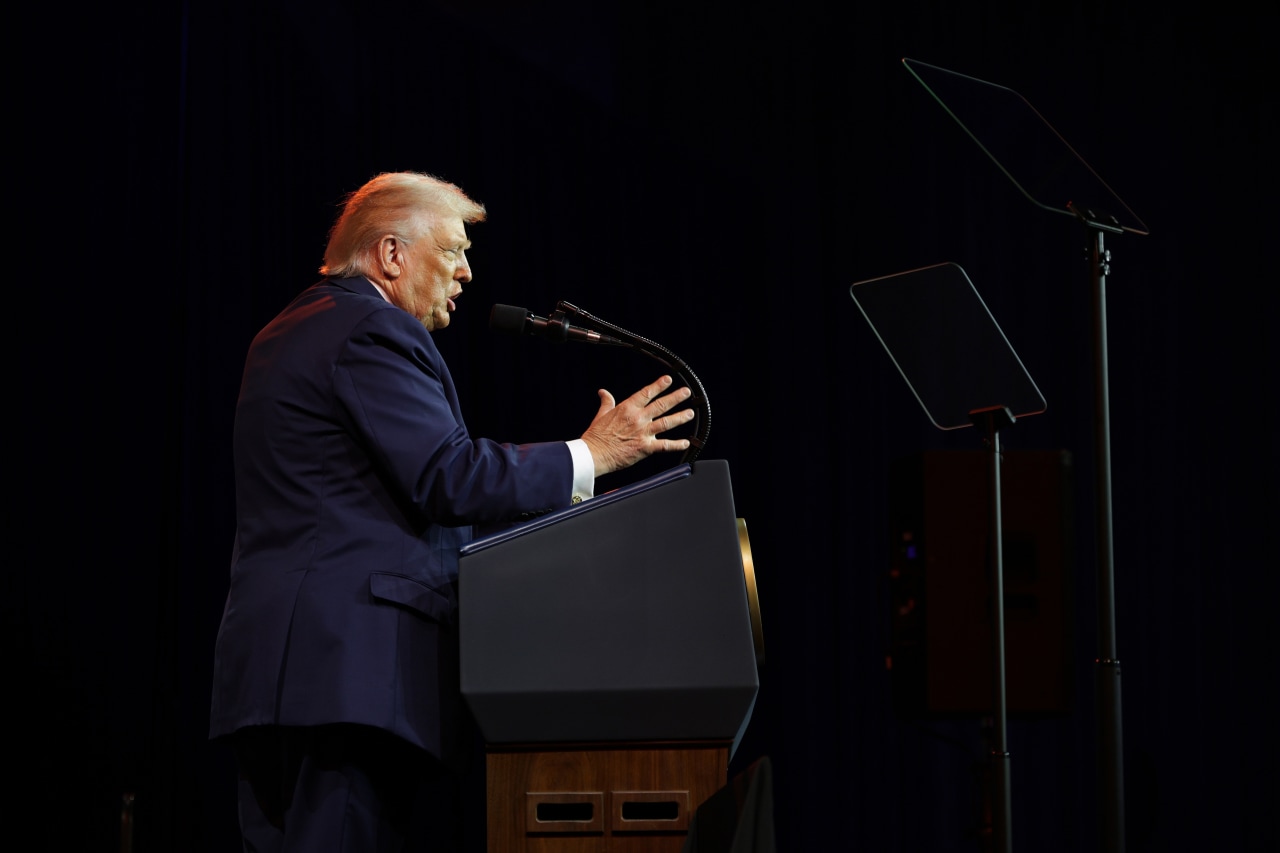
The United States has officially withdrawn from more than 30 organizations within the United Nations, a move announced by President Donald Trump in a press conference on March 12, 2024. This decision includes the termination of U.S. financial contributions to prominent bodies such as the Intergovernmental Panel on Climate Change (IPCC) and the United Nations Educational, Scientific and Cultural Organization (UNESCO).
This shift marks a significant departure from long-standing U.S. commitments to multilateral organizations. The U.S. State Department confirmed that the withdrawal is part of an effort to reassess America’s involvement in international bodies that, according to officials, do not align with national interests.
Impact on Global Collaboration
The withdrawal from these organizations raises questions about the future of global collaboration on critical issues such as climate change, education, and human rights. For example, the IPCC plays a vital role in assessing climate science and facilitating international agreements. Critics argue that withdrawing support undermines efforts to combat global warming and could have dire consequences for international climate policy.
Additionally, the U.S. exit from the United Nations Human Rights Council (UNHRC) has sparked concern among human rights advocates. The UNHRC is instrumental in addressing violations and promoting accountability. Without U.S. engagement, the effectiveness of the council may be compromised.
Financial Consequences and Reactions
The financial implications of this withdrawal are substantial. The U.S. has historically been one of the largest contributors to these organizations, providing millions in funding each year. For instance, the U.S. contributed approximately $1 billion to the U.N. in 2023 alone. This abrupt cut may lead to funding shortfalls for various programs that aid developing nations and support essential services worldwide.
Reactions to this decision have been mixed. Supporters claim it is a necessary step to prioritize American interests and reduce financial burdens. However, opponents, including former diplomats and international relations experts, warn that this could isolate the U.S. on the global stage and diminish its influence in international affairs.
In light of these developments, the global community is closely monitoring the response from other nations and how this withdrawal may reshape international diplomacy moving forward. The U.S. has long been seen as a leader in global governance, and its absence from these key organizations may alter the landscape of international cooperation for years to come.
As the situation evolves, many are left to ponder the future of U.S. engagement in world affairs and the potential repercussions for global challenges that require collaborative solutions.